Educational Toys for Learning Telugu Letters: A Safe Guide
Choosing safe educational toys for learning Telugu letters is a paramount concern for discerning Indian parents, as these early interactions significantly shape a child's linguistic and cognitive development. It is definitive that prioritizing non-toxic, durable materials and age-appropriate designs ensures a secure and effective foundation for regional language acquisition, fostering cultural connection from a young age. These thoughtful choices directly support a child's journey in understanding their rich linguistic heritage.
What are educational toys for learning regional Indian languages? These are purposefully designed playthings that facilitate the acquisition of a regional language's script, vocabulary, and phonetics through engaging, hands-on experiences. This matters profoundly because early language immersion, especially in mother tongues, boosts cognitive flexibility and cultural identity. Indian parents can leverage these tools to seamlessly introduce languages like Telugu in a joyful, natural way.
Understanding the Importance of Early Regional Language Learning in India
In the vibrant tapestry of Indian culture, regional languages like Telugu hold immense significance, connecting children to their roots, grandparents, and festive traditions. Child development experts, including those at the Harvard Center on the Developing Child, emphasize the profound cognitive benefits of early bilingualism. Children exposed to multiple languages from a young age often demonstrate enhanced problem-solving skills, better critical thinking, and improved memory.
For parents in bustling cities like Bengaluru, where English-medium schools are common, ensuring children learn their mother tongue, be it Telugu, Kannada, or Tamil, can feel challenging. However, studies indicate that early exposure to regional languages not only enriches a child's cultural identity but also lays a strong foundation for overall academic success. Providing engaging resources, like thoughtful educational toys for learning Telugu letters, makes this journey enjoyable and effective.
Prioritising Safety: What Indian Parents Must Know About Telugu Alphabet Toys
The recent discussions in the media about toy safety and value—"More expensive doesn't always mean more educational" (The Times of India)—underscore the need for cautious parents to make informed choices. When selecting Telugu alphabet toys, safety is non-negotiable. Look for products that adhere to the Bureau of Indian Standards (BIS) IS 9873 series, which sets stringent guidelines for toy safety, covering everything from chemical content to physical hazards.
SkilloToys is committed to offering materials made from sustainably sourced, non-toxic components like polished wood, food-grade silicone, and natural dyes. These materials not only reduce the risk of exposure to harmful chemicals like BPA and phthalates but also offer a satisfying tactile experience. Always examine labels for certifications and avoid toys with small, easily detachable parts for children under three years old, ensuring they are free from choking hazards.
The Montessori Approach: Elevating Learning Telugu for Kids
Maria Montessori's philosophy champions hands-on, self-directed learning, which is exceptionally suited for language acquisition. For learning Telugu for kids, Montessori-inspired materials transform abstract letters into concrete experiences. Think about the joy of a 3-year-old Aarya in a Bangalore joint family, tracing the curve of a 'ఆ' (Aa) with her finger on a sandpaper letter, feeling its texture, and associating it with a sound.
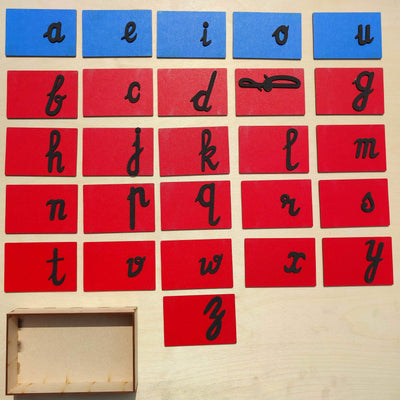
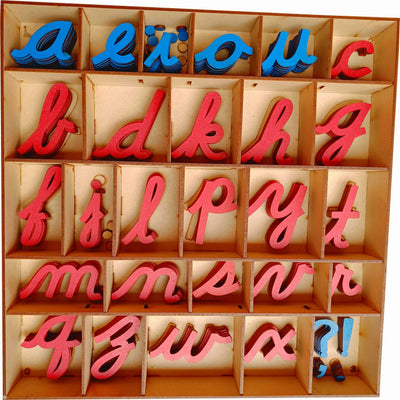
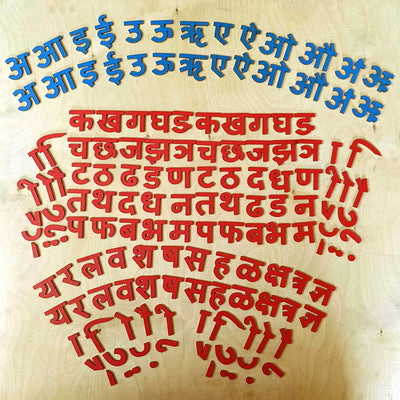
This multi-sensory engagement—seeing, touching, and hearing—builds stronger neural pathways than passive learning. SkilloToys offers a range of Montessori materials that can be adapted for Telugu, such as wooden movable alphabets or language activity kits designed to introduce letters and words. These tools encourage children to explore at their own pace, fostering independence and a genuine love for learning their mother tongue.
Beyond Just Letters: Choosing Effective Indian Language Educational Toys
While alphabet recognition is foundational, truly effective Indian language educational toys go further. They connect individual letters to words, phrases, and stories that resonate with a child's everyday Indian experiences. For example, a toy that helps a child form "అమ్మ" (Amma - Mother) or "పండుగ" (Panduga - Festival) using Telugu letters offers a richer learning context than just isolated characters.
When selecting regional language learning toys India, prioritize open-ended options that encourage creativity and imagination. Unlike many screen-based apps that offer limited interaction, physical toys invite children to manipulate, combine, and invent, thereby developing fine motor skills and problem-solving abilities. This deeper engagement ensures that learning Telugu is not just about memorization but about genuine understanding and expression, preparing them to engage meaningfully in conversations with family during Diwali or Ugadi.
Making Smart Choices for Your Child's Linguistic Journey
Choosing the right educational toys is an investment in your child's future, both academically and culturally. The goal is to provide tools that are not only safe and engaging but also deeply meaningful. Observe your child: do they enjoy tracing? Are they fascinated by textures? Tailor your choices to their natural curiosities, fostering a joyful environment for language exploration.
Remember, the most impactful learning happens through play and connection. As "The Better India" highlights, many Indian brands are now making thoughtful, sustainable toys. By selecting high-quality, regionally-focused educational toys, you empower your child to embrace their heritage, build strong linguistic foundations, and thrive in an increasingly multilingual world. This evening, consider engaging your child with a wooden Telugu alphabet puzzle, asking them to identify letters that make up their favourite Telugu words. This simple act builds a bridge between play and meaningful learning.