Choosing Safe, Truly Educational Toys: Indian Parents' Guide
Choosing safe and truly effective educational toys for Indian children requires a thoughtful approach, balancing safety with genuine developmental benefits. Child development experts agree that the right playthings foster crucial skills while poor choices can be harmful or simply ineffective. This guide offers Indian parents a practical checklist to systematically evaluate toys, ensuring every purchase supports their child's growth and well-being.
Truly educational toys are materials designed to stimulate a child's cognitive, physical, social, and emotional development through active engagement and exploration. This matters because children learn best through hands-on experiences rather than passive consumption. Indian parents can empower their children's learning journey by selecting toys that align with developmental stages and promote purposeful play.
Prioritising Safety First: A Non-Negotiable for Kids Learning Toys
Ensuring the safety of any product, especially kids learning toys, is the primary concern for parents in India. Research consistently shows that physical safety hazards, like choking risks or toxic materials, can severely impact a child's well-being. Always check for relevant safety certifications and be vigilant about potential dangers.
For parents in Bengaluru and across India, look for toys that comply with the Bureau of Indian Standards (BIS) safety norms, indicated by the 'ISI' mark. Verify that all components are non-toxic, lead-free, and phthalate-free, especially for toys meant for infants or toddlers who explore with their mouths. Pay close attention to small parts that could pose a choking hazard for children under three years old, ensuring they are securely fastened or appropriately sized.
Avoid toys with sharp edges, pointed parts, or those made from brittle materials that can easily break. Consider the durability of the toy, as flimsy construction can lead to broken pieces and potential injury. Many thoughtful, sustainable Indian brands, as highlighted by publications like The Better India, are setting high standards for both safety and eco-friendliness in their offerings, providing excellent choices for cautious parents.
Evaluating True Educational Value: Beyond the Hype
Once safety is assured, the next step in this educational toy buying guide is to assess genuine developmental benefits. Understanding how to choose educational toys involves looking past marketing claims to understand how a toy genuinely engages a child's mind and body. The Indian educational toys sector is experiencing significant growth, as noted by The Week, yet parents must discern quality amidst expanding options.
Age Appropriateness & Developmental Stages
Child development experts agree that a toy's educational value is maximised when it aligns with a child's current developmental stage. A toy too simple will quickly bore them, while one too complex can lead to frustration. For example, a child aged 18-24 months benefits from stacking and sorting activities that refine fine motor skills, while a 4-year-old thrives on puzzles and imaginative play that build problem-solving abilities.
Maria Montessori's philosophy emphasises observing a child's 'sensitive periods'—windows of intense interest in specific skills or concepts. Selecting toys that cater to these natural urges ensures maximum engagement and learning. This approach helps avoid the common pitfall of buying toys that are either too advanced or too simplistic for the child's current capabilities, ensuring consistent engagement.
Fostering Active Learning & Engagement
Truly educational toys encourage active participation rather than passive observation. They prompt children to explore, experiment, and discover on their own. Look for toys that allow for open-ended play, meaning there isn't just one 'right' way to play with them, fostering creativity and problem-solving skills.
Montessori materials, such as the Pink Tower or Sandpaper Letters, exemplify this by inviting children to engage directly with concepts through manipulation and sensory experience. These materials promote concentration, self-correction, and a deep understanding of principles, which is far more beneficial than toys that simply entertain. Explore our range of Montessori Method Learning Materials for examples of toys designed for active learning.
Durability & Material Quality
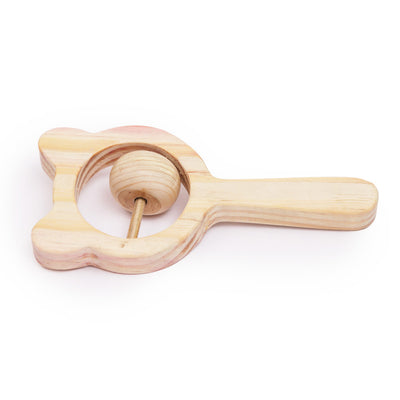
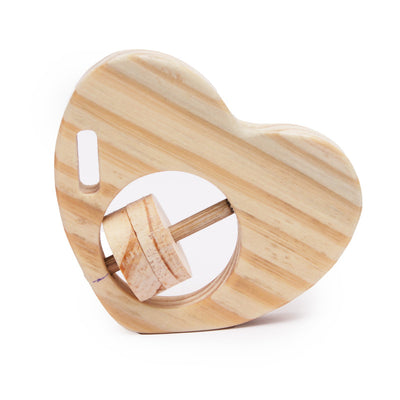
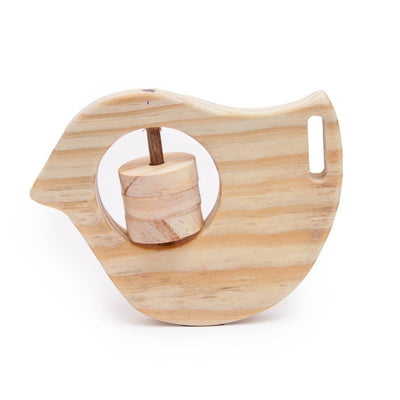
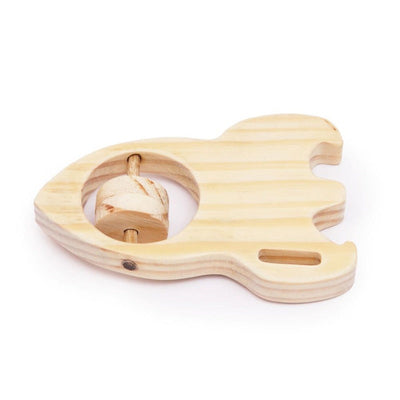
In Indian homes, where toys are often passed down through siblings or cousins, durability is a significant factor for both sustainability and value. High-quality materials like responsibly sourced wood, organic cotton, or robust, non-toxic plastics ensure a toy withstands years of play. These materials also provide a richer sensory experience for children compared to flimsy, mass-produced items.
Opting for toys made from natural materials not only promotes sustainability but also offers a more tactile and engaging experience. This aligns with the growing trend towards eco-conscious consumerism in India, reflecting a desire for products that last and reduce environmental impact. Such toys are a worthwhile investment, providing lasting educational value for generations within a joint family setup.
Encouraging Creativity & Imagination
The best educational toys spark a child's imagination, allowing them to create their own narratives and scenarios. Toys that serve as props for imaginative play, such as building blocks, art supplies, or simple dolls, empower children to develop storytelling skills and abstract thinking. These are vital for cognitive development and fostering a rich inner world.
Avoid toys that do all the work for the child, limiting their creative input. Instead, choose materials that invite children to be the architects of their play. This approach stimulates innovative thinking and adaptability, crucial skills for future success in an ever-evolving world.
Cultural Relevance & Inclusivity for Indian Children
For Indian children, toys that reflect their cultural context can significantly enhance engagement and identity formation. Look for toys that incorporate elements of Indian festivals, traditional art forms, or local stories. This helps children connect with their heritage and understand their place within the broader community.
Inclusivity in toys, representing diverse skin tones, abilities, and family structures, also plays a crucial role in fostering empathy and a global outlook from a young age. Bengaluru's diverse population means children interact with various backgrounds, and toys can mirror this rich tapestry, preparing them for a harmonious society. Consider exploring our activityKits that often feature culturally relevant themes and open-ended creative possibilities.
The SkilloToys Montessori Educational Toys Checklist for Indian Parents
To simplify your decision-making, SkilloToys has distilled these principles into an actionable Montessori educational toys checklist for every cautious Indian parent. Use this framework to confidently assess any toy, whether online or in a store:
- Safety First: Does it meet BIS standards? Is it non-toxic, free of small parts for young children, and without sharp edges?
- Age & Developmental Appropriateness: Does it align with your child's current skills and sensitive periods, offering a suitable challenge?
- Active Engagement: Does it require hands-on manipulation, problem-solving, and independent exploration rather than passive entertainment?
- Open-Ended Play: Can it be used in multiple ways, fostering creativity and imagination without a single 'correct' outcome?
- Material Quality & Durability: Is it made from high-quality, sustainable materials that can withstand repeated use and potentially be passed down?
- Purposeful Learning: Does it teach a specific skill, concept, or practical life lesson clearly, as observed in Montessori materials?
- Cultural & Inclusive Representation: Does it reflect Indian culture or promote diversity, helping your child connect with their heritage and wider world?
By applying this checklist, Indian parents can move beyond superficial appeal and select truly valuable educational toys that nurture holistic development. SkilloToys.com is committed to providing materials that meet these stringent standards, empowering children in Bengaluru and across India to learn, grow, and thrive through purposeful play.
- Safety, certified by BIS standards, is the absolute first priority for all children's toys in India.
- Truly educational toys foster active, open-ended learning, rather than passive entertainment or highly structured instruction.
- Age appropriateness ensures a toy challenges a child without causing frustration, aligning with developmental sensitive periods.
- High-quality, durable materials offer long-term value, sustainability, and superior sensory experiences for children.
- Culturally relevant and inclusive toys are crucial for an Indian child's identity formation and empathy development.
- The SkilloToys checklist provides a systematic framework for Indian parents to evaluate any educational toy effectively.
What is the most important factor when buying educational toys in India?
Safety is paramount; always prioritise toys that meet BIS safety standards, are non-toxic, and free from choking hazards. Following this, assess a toy's ability to foster active learning, age-appropriate skills, and long-term engagement.
How can I tell if a toy is truly educational or just a gimmick?
Truly educational toys promote hands-on exploration, open-ended play, and problem-solving without overly directing the child. Gimmicks often have limited play value, focus on passive entertainment, or promise unrealistic developmental leaps without genuine engagement.
Are Montessori educational toys suitable for all Indian children?
Yes, Montessori educational toys are designed based on universal principles of child development, making them highly suitable for children across diverse backgrounds in India. They encourage independence, concentration, and practical life skills, which are beneficial for every child's growth.
What role do cultural relevance and inclusivity play in choosing toys?
Culturally relevant toys help children connect with their heritage, traditions, and local environment, fostering a stronger sense of identity. Inclusivity ensures children see themselves and others represented, promoting empathy and a broader worldview within Indian homes.
Why is durability important for educational toys in an Indian context?
In Indian homes, especially joint families, toys are often shared among siblings and cousins or passed down through generations. Durable, high-quality educational toys withstand extensive use, offering long-term value and sustainability, aligning with a tradition of thoughtful consumption.