Decoding Educational Toys: Types & Benefits for Indian Kids
Educational toys are purpose-driven tools that significantly contribute to a child's holistic development, fostering skills crucial for their growth. They are vital for Indian children, guiding them through various developmental milestones with engaging, hands-on experiences. For cautious Indian parents, understanding these distinct types ensures smart choices that nurture young minds effectively.
Educational toys are materials or objects specifically designed to stimulate learning and skill development through play. This matters because well-chosen toys can significantly enhance a child's cognitive, physical, linguistic, and socio-emotional capabilities. Indian parents can empower their children with purposeful play that lays a strong foundation for future learning.
The journey of parenthood in India, often within bustling joint families and amidst academic pressures, means every choice for a child holds significant weight. From their first Diwali gift to everyday play, parents meticulously select items that are not just entertaining but also enriching. This comprehensive guide from SkilloToys.com aims to demystify the vast world of educational toys, detailing their types and the profound developmental benefits they offer, ensuring your child receives the very best start.
Types of Educational Toys and Their Developmental Benefits for Indian Kids
Child development experts agree that varied play experiences are essential for comprehensive growth. Research shows that children who engage with diverse types of educational toys develop a broader range of skills, from problem-solving to social interaction. SkilloToys champions this approach, offering a curated selection that supports every aspect of your child's learning journey.
Cognitive Development Toys: Fueling Young Minds
Cognitive development toys are engineered to sharpen a child's thinking, reasoning, and problem-solving abilities. These are crucial for building the foundational brain architecture that supports academic learning and critical thinking in later life. They help children understand patterns, sequences, and the concept of cause and effect.
- Puzzles: Knobbed puzzles and jigsaw puzzles, often featuring familiar Indian motifs or animals, enhance spatial reasoning, fine motor skills, and problem-solving. Children learn persistence and visual discrimination.
- Building Blocks & Construction Sets: From wooden blocks to advanced magnetic tiles, these toys foster creativity, engineering skills, and an understanding of balance and structure. They encourage imaginative construction, often leading to collaborative play among siblings or cousins.
- Memory & Matching Games: These simple yet effective games improve memory recall, concentration, and pattern recognition. They are excellent for family playtime during festivals or quiet evenings.
Fine Motor Skill Toys for Kids: Precision and Coordination
Fine motor skills involve the coordination of small muscles, especially in the hands and fingers, crucial for tasks like writing, drawing, and self-care. Developing these skills early significantly impacts a child's readiness for school and daily independence.
- Stacking & Nesting Toys: Montessori-inspired stacking towers and nesting cups help children develop hand-eye coordination, grasp, and an understanding of size and sequence. They are ideal for toddlers learning basic concepts.
- Beading & Lacing Toys: These activities significantly improve dexterity, concentration, and bilateral coordination. Children refine their pincer grasp and patience, essential pre-writing skills.
- Art & Craft Supplies: Crayons, sketch pens, and clay, including quality options like those from Luxor Crayola (which recently deepened its commitment to India's creative learning market), nurture creativity while strengthening hand muscles. These materials are excellent for self-expression and developing pre-writing abilities.
Gross Motor Skill Toys: Active Learning for Growing Bodies
Gross motor skills involve the coordination of larger muscles for movements like running, jumping, and balancing. These toys encourage physical activity, essential for overall health, balance, and coordination, particularly important in India's often close-knit urban and rural communities.
- Push & Pull Toys: For infants and toddlers, these toys encourage crawling, walking, and maintaining balance. They build leg strength and coordination as children explore their environment.
- Tricycles & Scooters: As children grow, these provide a fun way to develop leg strength, coordination, and spatial awareness. They promote outdoor play, a cherished activity for many Indian families.
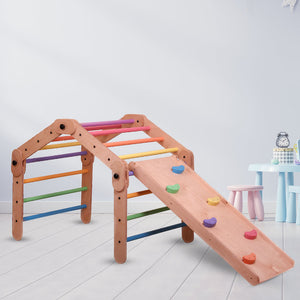
- Tunnels & Climbing Structures: Play tunnels and safe, low climbing structures help develop whole-body coordination, strength, and confidence. They are excellent for active play in a secure home or garden setting.
Language & Communication Toys: Building Blocks of Expression
Language development is paramount, enabling children to express themselves, understand others, and navigate the world. These toys provide rich opportunities for vocabulary building, storytelling, and enhancing communication skills.
- Picture Books & Flashcards: Books featuring diverse characters and Indian contexts introduce new words, concepts, and storytelling. Flashcards aid in vocabulary building and recognition across various languages.
- Storytelling Puppets & Dolls: These foster imagination, narrative skills, and emotional expression. Children can act out scenarios, enhancing their social understanding and verbal communication.
- Alphabet & Number Tracing Boards: Tactile materials like wooden tracing boards help children recognize letters and numbers, laying groundwork for literacy and numeracy.
Social-Emotional Development Toys: Nurturing Empathy and Interaction
Social-emotional skills are critical for building relationships, managing emotions, and understanding social cues. These toys encourage cooperative play, empathy, and the development of a healthy self-concept, vital in multi-generational Indian households.
- Role-Play & Pretend Play Kits: Activity Kits like doctor sets, kitchen sets, or miniature marketplaces encourage children to mimic real-life scenarios, developing empathy, social skills, and imaginative thinking. Children learn to take turns and understand different perspectives.
- Board Games & Cooperative Games: These teach valuable lessons in turn-taking, sharing, strategy, and emotional regulation (winning and losing gracefully). They are fantastic for bonding during family gatherings.
- Sensory Bins & Playdough: Engaging multiple senses, these provide opportunities for self-regulation, imaginative play, and shared exploration, fostering calm and creative expression.
Science & STEM Kits: Igniting Curiosity
STEM (Science, Technology, Engineering, Mathematics) toys introduce foundational concepts in an engaging way, fostering curiosity, critical thinking, and a love for discovery. These are increasingly sought after by parents keen to prepare their children for a tech-driven future.
- Basic Science Experiment Kits: Simple kits that explore physics, chemistry, or biology concepts through safe experiments. These promote observation, hypothesis testing, and analytical thinking.
- Coding Toys & Robotics: Age-appropriate coding games and robotic kits introduce logical reasoning, computational thinking, and problem-solving in a fun, interactive manner.
- Magnets & Gear Sets: These hands-on materials teach principles of magnetism, mechanics, and cause-and-effect, encouraging children to build and innovate.
Choosing the Right Educational Toys: Expert Tips for Indian Families
Selecting the perfect educational toy for your child goes beyond just the type; it involves careful consideration of several factors. The recent news of KV Toys acquiring a stake in Play Panda, alongside the growth of Indian brands making thoughtful, sustainable toys, underscores a market increasingly focused on quality and purpose, aligning perfectly with SkilloToys' mission.
- Age-Appropriateness: Always match the toy to your child's developmental stage, not just their chronological age. A toy that's too simple will bore them, while one too complex will frustrate.
- Safety Standards: Prioritize toys made from non-toxic, durable materials. Look for BIS certification, a standard that assures quality and safety for products in the Indian market.
- Open-Ended Play: Opt for toys that can be used in multiple ways, fostering creativity and imagination. Toys like building blocks or open-ended Montessori materials offer endless possibilities. You can explore a wide range of such options in our Montessori Method Learning Materials collection.
- Durability: In Indian homes, toys often pass from one sibling to another, or are shared among cousins. Durable, high-quality toys ensure longevity and provide long-term value.
- Cultural Relevance: Toys that incorporate Indian culture, festivals, or traditional games can resonate deeply with children, fostering a sense of identity and belonging while still providing developmental benefits.
By making informed choices, Indian parents can ensure their children's play is not just fun, but also deeply enriching. SkilloToys.com is dedicated to providing safe, high-quality educational toys that support every aspect of your child's journey, from infancy through their formative years. Invest in play that truly educates.
- Educational toys are purpose-driven tools designed to stimulate comprehensive child development.
- They support cognitive, fine motor, gross motor, language, and social-emotional skill growth.
- Child development experts recommend age-appropriate educational toys from infancy for optimal learning.
- Montessori toys are prime examples of educational tools that promote self-directed learning and concentration.
- Prioritizing safety, durability, and open-ended play is crucial when selecting educational toys for Indian children.
- Investing in quality educational toys contributes significantly to a child's readiness for school and future success.
What are educational toys and why are they important?
Educational toys are specifically designed to stimulate learning and skill development through play, rather than just providing entertainment. They are crucial for Indian children as they lay a strong foundation for cognitive, physical, and social-emotional growth, preparing them for future academic and life challenges.
How do educational toys help with cognitive development?
Educational toys like puzzles, building blocks, and memory games directly foster cognitive development by encouraging problem-solving, critical thinking, spatial reasoning, and memory recall. These activities help children understand cause-and-effect and develop logical thought processes essential for academic success.
At what age should I introduce educational toys to my child?
Child development experts recommend introducing age-appropriate educational toys from infancy, adapting to each developmental stage. Even newborns benefit from sensory toys, while toddlers can engage with stacking toys and simple puzzles to build foundational skills.
Are Montessori toys considered educational toys?
Yes, Montessori toys are quintessential educational toys, specifically designed to support a child's natural development through hands-on, self-directed learning. They are structured to build specific skills, promote independence, and foster concentration, aligning perfectly with the principles of educational play.
How can Indian parents choose safe and effective educational toys?
Indian parents should prioritize toys that are age-appropriate, made from non-toxic materials, and carry relevant safety certifications like BIS. Opt for open-ended toys that encourage imaginative play and consider cultural relevance to ensure engagement and holistic development.