Made in India Educational Toys: Safety & Buying Guide
When selecting Made in India educational toys, discerning parents look for crucial indicators of safety, quality, and developmental value. The key lies in verifying mandatory certifications, scrutinizing materials, and choosing brands that align with stringent child safety standards. With India's educational toy sector rapidly evolving and seeing new entrants like EBG Group with Adhira & Appa Toys, it's more important than ever for parents to navigate the market wisely.
What are Made in India educational toys? Made in India educational toys are playthings designed, manufactured, and often conceptualized within India, specifically aimed at fostering a child's learning and developmental skills. They blend local craftsmanship with pedagogical principles, emphasizing safety, durability, and cultural relevance for Indian children.
Understanding BIS Safety Standards for Indian Toys
For cautious Indian parents, the most critical safety assurance for any toy is the Bureau of Indian Standards (BIS) certification. Since January 2021, all toys sold in India, whether manufactured locally or imported, must comply with the mandatory Indian Standards (IS 9873 parts 1-3). This is a landmark regulation designed to protect children from unsafe products.
Research shows that the BIS mark ensures a toy has undergone rigorous testing for mechanical and physical properties (like choking hazards, sharp edges), flammability, and chemical content (including heavy metals like lead and cadmium). When you see the BIS mark on a toy, it's a definitive sign that the manufacturer has met these essential safety benchmarks. This newfound emphasis on safety is crucial as India's educational toy sector continues to expand, addressing previous challenges in quality control.
Beyond Certifications: Key Features of Safe Indian Toys
While the BIS mark is foundational, savvy parents look deeper. The true safety and educational value of safe Indian toys often lies in their construction and materials. Child development experts agree that natural, tactile materials offer superior sensory experiences and reduce chemical exposure.
Look for toys made from sustainably sourced wood, organic cotton, and natural dyes. These materials are not only eco-friendly but also inherently safer for children who explore with their mouths. For instance, brands like 'The Ally,' recently highlighted for their safe and educational wooden toys, exemplify this commitment to natural materials and thoughtful design. When a 3-year-old in a Bengaluru joint family is playing, you want to be certain that the toy they're exploring is free from harmful toxins.
The Montessori Advantage in Made in India Toys
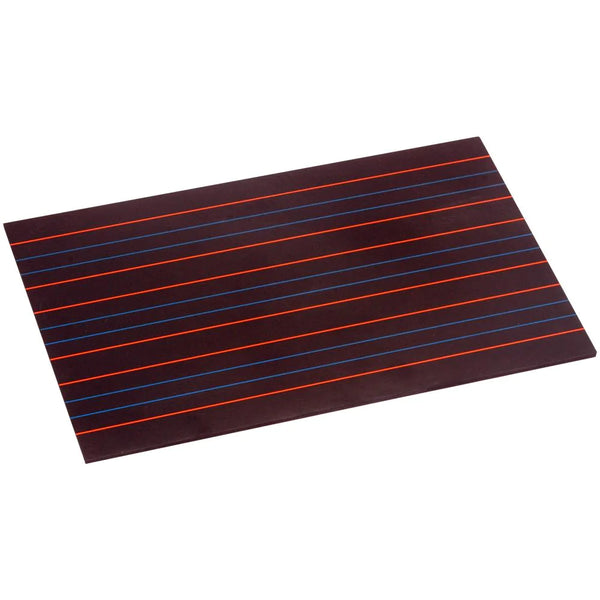
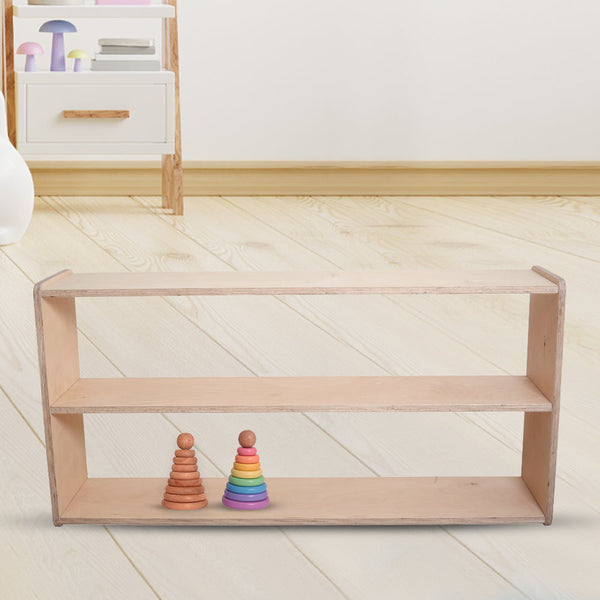
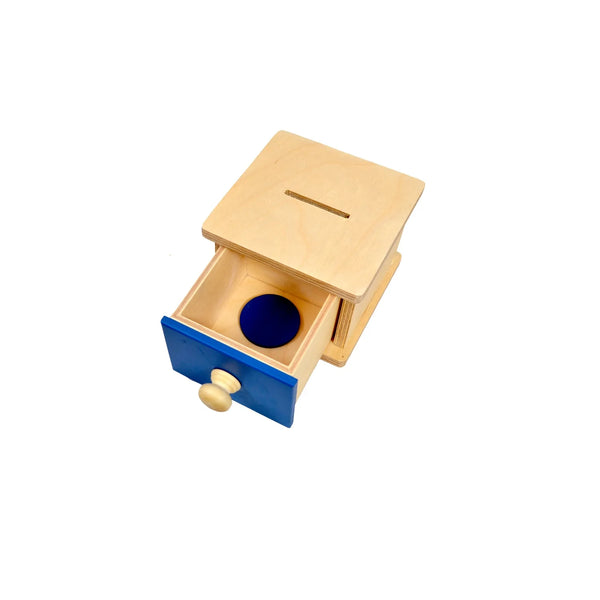
Many wooden educational toys India offers draw inspiration from the Montessori philosophy, which prioritizes purposeful, open-ended play. Maria Montessori emphasized learning through hands-on exploration with simple, well-crafted materials. This approach fosters independence, concentration, and problem-solving skills, far beyond what many flashy, electronic toys can offer.
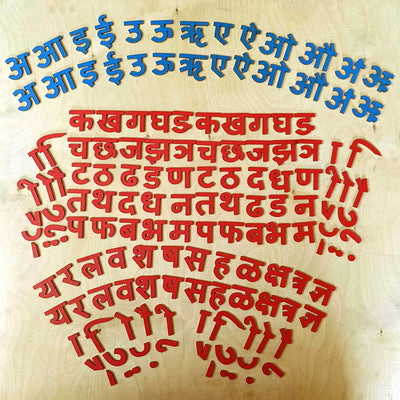
For instance, a set of Montessori activity kits or wooden stacking blocks allows a child to invent, build, and discover at their own pace. The satisfying clunk of one wooden block landing on another, the focus required to balance a tower, or the sensory input from sandpaper letters are invaluable experiences. These aren't just toys; they are tools for growth that align perfectly with the values of many Indian households, from teaching precision to encouraging self-directed learning.
Choosing the Right Made in India Educational Toys for Your Child
Making smart choices when buying buying guide Indian toys involves observing your child and considering their developmental stage. A toy that's perfect for an 18-month-old exploring textures might be too simple for a 4-year-old ready for complex puzzles. Pay close attention to age recommendations, but also trust your instinct about your child's unique interests and abilities.
For toddlers, ensure toys have no small, detachable parts that could pose a choking hazard. For older children, consider toys that challenge their cognitive skills or encourage creative storytelling. In Indian homes, especially in smaller urban flats or joint families, opting for durable, multi-functional toys that encourage imaginative play is often more practical than single-use, bulky items. Montessori learning materials, for example, are designed to grow with the child, offering extended utility.
Supporting Local: The Impact of Choosing Indian Brands
Choosing local toy brands India is more than just a trend; it's a conscious decision that impacts the economy and often ensures higher accountability. When you buy Made in India, you support local craftsmanship, innovation, and job creation. The recent news of EBG Group's entry into India's toy segment with Adhira & Appa Toys and their ₹50 Crore expansion plan highlights the burgeoning potential and investment in this sector.
Furthermore, local manufacturers often have a deeper understanding of the specific play patterns, cultural nuances, and educational needs of Indian children. This leads to toys that resonate more deeply, encouraging engagement that is both meaningful and developmentally appropriate. By choosing Indian brands, parents contribute to a cycle of quality and growth, fostering a stronger local ecosystem for children's learning and play.
Ultimately, investing in high-quality Made in India educational toys is an investment in your child's holistic development. By prioritizing safety certifications, natural materials, and age-appropriate design, you empower your child to learn, explore, and grow in a secure and stimulating environment. Take a moment tonight to assess your child's current toys; are they BIS certified? Are they truly engaging and safe? This guide equips you to make those confident, informed choices.