Educational Toy Market Trends for Parents: Safety & Learning
Educational toy market trends for parents indicate a future where integrated technology, sustainable materials, and personalized learning experiences will redefine playtime. These shifts bring both opportunities for deeper engagement and challenges concerning data privacy and material safety, requiring parents to stay informed to ensure optimal child development and well-being.
Educational toy market trends for parents shape India's future of play, blending traditional developmental principles with modern innovations. This matters because it directly influences the safety, learning efficacy, and cultural relevance of the toys available to our children. Indian parents can proactively assess these trends to choose toys that foster holistic growth and align with family values.
For every parent in Bengaluru and across India, the choice of a child's toy is a significant decision. It's not just about entertainment; it's about laying the foundation for learning, creativity, and safety. As the educational toy market rapidly evolves, driven by technological advancements and changing parental aspirations, understanding these shifts becomes paramount. This guide will empower cautious Indian parents to navigate the exciting, yet complex, landscape of future play.
The Rise of Smart & Digital Learning Toys: Future Educational Toys India
The landscape of future educational toys in India is increasingly being shaped by smart technology, incorporating elements like Artificial Intelligence (AI), Augmented Reality (AR), and app-connected play. These innovations promise highly engaging and personalized learning experiences, from coding robots to interactive storybooks. Research shows the global educational toy market is projected to reach significant growth by 2030, driven by increased parental awareness and technological advancements, a trend clearly reflected in India.
While these emerging learning toys offer immense potential for cognitive development and skill-building, they also introduce new safety considerations. Concerns around excessive screen time, data privacy, and exposure to unregulated digital content are valid for Indian parents. It's crucial to evaluate how these 'smart' features truly enhance learning without compromising a child's well-being or replacing the foundational, hands-on experiences that Montessori education advocates. Balanced integration, where technology serves as a tool for exploration rather than the sole focus, is key.
Sustainable & Eco-Conscious Play: Toy Industry Forecast Safety
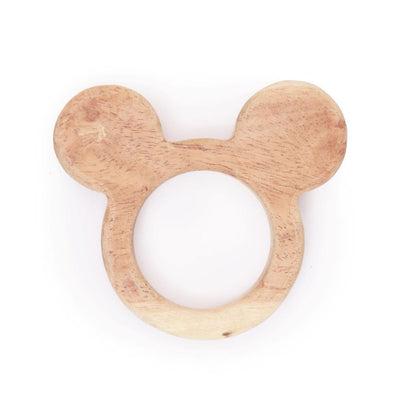
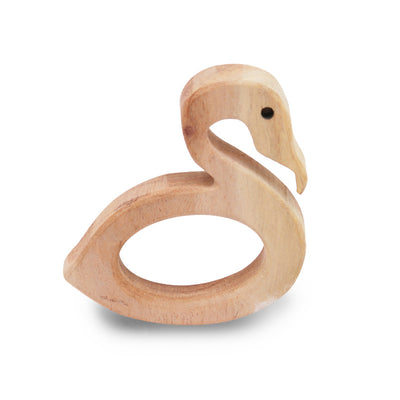
A significant shift in the toy industry forecast safety is the strong move towards sustainability and eco-conscious materials, a trend that resonates deeply with Indian families valuing natural living. Parents are increasingly seeking toys made from wood, organic fabrics, recycled plastics, and non-toxic paints. This aligns with recent reports, such as 'Christmas Gifts for Kids: 10 Indian Brands Making Thoughtful, Sustainable Toys' by The Better India, highlighting a growing local movement towards environmentally friendly choices.
This focus on sustainable materials directly impacts child safety, reducing exposure to harmful chemicals often found in cheaper, mass-produced plastic toys. Child development experts agree that toys free from phthalates, BPA, and lead are essential for healthy growth, especially for infants and toddlers who often explore objects orally. Choosing brands committed to these principles ensures that play is not only enriching but also fundamentally safe for our children. SkilloToys offers a wide range of activity kits and learning materials that embody these sustainable values.
Personalised Learning & Developmental Milestones: Emerging Learning Toys
The future of play emphasizes personalised learning, where toys adapt to a child's unique pace and developmental stage. This mirrors the core philosophy of Maria Montessori, who championed individualized education, recognizing that every child learns differently. Emerging learning toys are designed to support specific developmental milestones, from fine motor skills at 18-24 months to complex problem-solving for older children, offering tailored challenges.
For Indian families, this means selecting toys that are not just age-appropriate but also resonate with a child's temperament and interests. Montessori materials, like the Pink Tower for visual discrimination or sandpaper letters for tactile learning, are prime examples of tools that inherently offer personalized learning paths. These materials allow children to progress at their own speed, building confidence and fostering a genuine love for learning without external pressure, a relief for many parents amidst school demands.
Navigating Global Standards & Local Innovation: Safe Toy Innovations 2025
As the Indian toy market expands and global trends influence local manufacturing, ensuring toy safety remains a critical concern. The Bureau of Indian Standards (BIS) certification is vital, guaranteeing that products meet stringent safety parameters. Understanding these certifications helps parents discern genuinely safe toy innovations 2025 from those that merely appear innovative. Recent market activities, like KV Toys' acquisition of a stake in Play Panda, underscore the dynamic nature of the Indian toy industry, as reported by ET Retail, indicating a robust and evolving ecosystem.
Parents should always look for transparent labeling and credible safety claims, especially when considering toys with new technologies or unique materials. Reputable brands, often featured in analyses like the IMARC Group's 'Top 10 Toys Companies in India,' consistently adhere to high safety standards. Investing in quality, certified educational materials from stores like SkilloToys ensures that your child's play environment is both stimulating and secure. Explore our extensive collection of Montessori method learning materials for trusted options.
Key Questions for Parents When Choosing Future Toys
Making informed choices in this evolving market requires a proactive approach. Before purchasing, consider these questions: Does the toy carry relevant safety certifications, especially for products aimed at young children? Are the materials transparently sourced and free from harmful chemicals? Does it promote active, hands-on engagement rather than passive consumption?
Furthermore, assess the toy's long-term educational value and durability, particularly for joint families where toys are often shared across generations. Will it foster creativity, critical thinking, and social skills? By asking these questions, Indian parents and grandparents can confidently select toys that genuinely contribute to a child's holistic development and safety.
The future of play promises exciting innovations for children's learning and development, but it also demands an informed and vigilant approach from parents. By understanding educational toy market trends for parents, prioritizing safety, embracing sustainable choices, and focusing on personalized learning, we can ensure that every child's playtime is a truly enriching and secure experience. SkilloToys remains committed to providing the highest quality, safest, and most effective Montessori educational toys to support your child's journey.
- Educational toy market trends point to increased integration of technology, sustainable materials, and personalized learning.
- Digital innovations offer personalized learning but require careful management of screen time and data privacy for child safety.
- The demand for eco-conscious and non-toxic toys is growing, directly enhancing physical safety and environmental awareness.
- Personalized learning, inspired by Maria Montessori, is a key trend, adapting to individual child development.
- Adherence to safety certifications like BIS and choosing reputable brands is crucial for navigating new toy innovations.
- Cautious Indian parents are actively seeking toys that balance modern advancements with foundational developmental principles and cultural relevance.
What are the biggest emerging learning toys trends for children in India?
Emerging learning toys in India increasingly focus on a blend of technology and hands-on experiences, incorporating AI-driven personalization, augmented reality, and eco-friendly materials. There is a strong push towards toys that foster critical thinking, creativity, and socio-emotional skills, aligning with global and local educational philosophies.
How can parents ensure toy safety amidst new toy industry forecast safety innovations?
Parents must prioritize toys with clear safety certifications (like BIS in India), transparent material sourcing, and robust data privacy policies for connected devices. Opting for established brands and reading reviews from other cautious Indian parents helps verify claims and ensure compliance with safety standards, even with the newest innovations.
What defines future educational toys India is seeing, and how do they benefit children?
Future educational toys in India are defined by their capacity for adaptive learning, cultural relevance, and sustainability, often integrating digital and physical play seamlessly. These toys benefit children by providing personalized challenges, fostering a deeper connection to Indian heritage, and promoting environmental consciousness from a young age.
Are 'smart' educational toys truly safe for children's development?
'Smart' educational toys offer immense potential for personalized learning but require careful parental oversight regarding screen time, data security, and age appropriateness. While they can enhance cognitive skills, balancing them with traditional, open-ended play, like Montessori materials, is crucial for holistic development and reducing digital over-reliance.
How do safe toy innovations 2025 impact traditional play patterns?
Safe toy innovations 2025 are designed to enhance, not replace, traditional play patterns by integrating technology responsibly and emphasizing sustainable materials. These innovations can make traditional concepts more engaging and accessible, encouraging children to explore foundational skills with updated, safer tools that support imagination and physical activity.