Educational Toy Market Trends India: Safety & Buying Guide
Emerging educational toy market trends India significantly reshape how parents approach toy safety and purchasing decisions by introducing new materials, digital integrations, and sustainability standards. Research indicates that understanding these shifts empowers Indian parents to prioritize safety, quality, and developmental relevance amidst an evolving landscape. This proactive approach ensures children receive the best tools for holistic growth.
Educational toy market trends refer to the evolving preferences, technologies, and materials influencing the design and consumption of toys intended for learning. This matters because it directly impacts child development, safety standards, and environmental responsibility. Indian parents can leverage this knowledge to make informed, future-proof decisions for their children's play and learning.
The Rise of Sustainable & Eco-Friendly Educational Toys in India
The movement towards sustainable and eco-friendly toys is a dominant force shaping the educational toy market trends India. Parents across Bengaluru and beyond are increasingly seeking alternatives to plastic, driven by environmental consciousness and a desire for safer, natural options for their children. This shift reflects a global trend where ethical consumption is gaining prominence, particularly within parenting communities.
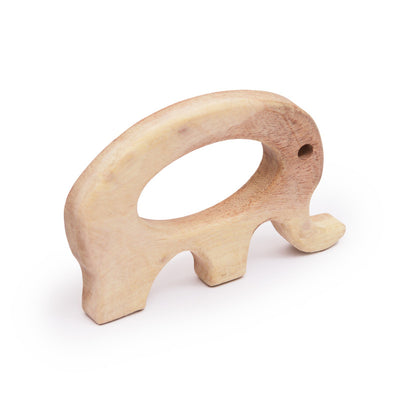
Child development experts agree that toys made from natural materials like wood, organic cotton, and bamboo offer a unique tactile experience, promoting sensory development crucial in early childhood. These materials inherently reduce exposure to harmful chemicals often found in lower-quality plastics. Indian parents, especially those with joint families, often appreciate these traditional material choices that echo heritage and natural living.
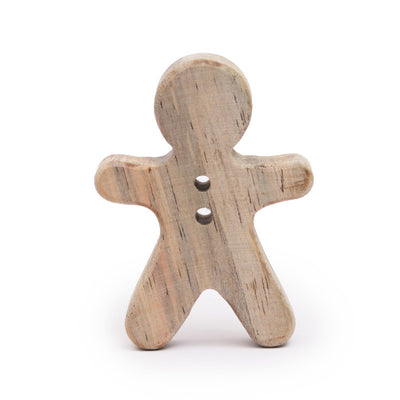
For instance, the market is seeing a surge in demand for activityKits made from recycled paper, natural dyes, and sustainably sourced wood. This focus not only benefits the environment but also aligns with the cautious parent's priority for non-toxic play. Studies indicate a significant rise in parents willing to invest more in eco-friendly options, anticipating long-term health and developmental benefits.
Digital Integration & Smart Toys: Balancing Innovation with Safety for Indian Children
The landscape of future educational toys India is undeniably moving towards digital integration, bringing both exciting possibilities and new safety considerations. Smart toys, often incorporating augmented reality, coding, or interactive screens, promise enhanced learning experiences and personalized engagement. However, cautious Indian parents are right to question the implications for child safety and development.
The primary concerns revolve around excessive screen time, data privacy, and the potential for overstimulation. While innovative educational toys India offer unique learning pathways, balancing digital exposure with traditional, hands-on play is paramount. SkilloToys advocates for toys that use technology as a tool for enrichment, rather than as a primary source of interaction, especially for younger children (e.g., 18-24 months).
When considering these toys, parents must scrutinize privacy policies and look for certifications that guarantee data protection. Ensuring that digital content is age-appropriate and free from addictive patterns is crucial. The 'Made in India' movement, exemplified by companies like Funskool launching ranges like Blazetrix, increasingly focuses on incorporating digital elements responsibly while maintaining high safety standards.
Advanced Materials & Manufacturing: Ensuring Toy Safety Standards in India
Innovations in materials and manufacturing processes are profoundly influencing toy safety trends India. Beyond traditional plastics, the market is exploring bioplastics, food-grade silicone, and advanced composites that offer durability, hygiene, and reduced environmental impact. This evolution directly addresses parent concerns about material toxicity and toy longevity.
Authoritative sources, such as the Bureau of Indian Standards (BIS), continuously update safety guidelines to keep pace with these material advancements. Manufacturers are increasingly required to adhere to stricter testing protocols for chemical content, physical hazards, and flammability. This ensures that a toy, whether it's a building block or a complex puzzle, meets rigorous safety thresholds before reaching a child's hands.
The growth of local manufacturing, highlighted by the IMARC Group's insights into the top toy companies in India, means more accessible oversight and adherence to national standards. Parents should always look for the BIS certification mark on any toy purchased, as this indicates compliance with India's mandatory safety regulations. This vigilance is key to making safe, informed purchasing choices for children of all ages.
Montessori Principles & Market Forecast: Timeless Relevance Amidst New Trends
Despite the rapid evolution in toy trends, the Montessori toy market forecast remains robust, underscoring the enduring appeal and proven efficacy of Maria Montessori's educational philosophy. Parents globally, and especially in India, continue to value toys that promote independence, concentration, and practical life skills. This foundation remains critical even as new technologies emerge.
Montessori materials, such as the Pink Tower or Sandpaper Letters, offer a unique blend of self-correcting design and purposeful activity. These tools are designed to engage a child's intrinsic motivation for learning, fostering cognitive development and problem-solving abilities. SkilloToys, as India's leading Montessori educational toys store, sees consistent demand for these foundational pieces.
The market trend shows that while innovative toys capture attention, parents consistently return to Montessori-aligned products for their proven developmental benefits. Research shows that children exposed to Montessori principles often demonstrate higher levels of executive function and academic readiness. Integrating these timeless principles with thoughtful engagement with newer trends provides the most holistic learning environment.
Key Takeaways
- The Indian educational toy market is shifting towards sustainable, digitally integrated, and advanced material toys.
- Eco-friendly toys, made from natural and non-toxic materials, are gaining preference among cautious Indian parents.
- Digital educational toys require careful consideration regarding screen time, data privacy, and age-appropriateness.
- Advanced manufacturing and materials are enhancing toy safety, necessitating parental vigilance for BIS certifications.
- Montessori principles maintain timeless relevance, offering foundational developmental benefits amidst evolving market trends.
- Understanding these trends empowers Indian parents to make safer, smarter buying choices for their children's holistic growth.
How can I identify safe eco-friendly toys?
Identifying safe eco-friendly toys involves looking for certifications like BIS (Bureau of Indian Standards) or international standards for non-toxic materials. Prioritise toys made from sustainable resources such as FSC-certified wood, organic cotton, or plant-based plastics, ensuring they use child-safe, lead-free paints and finishes.
What are the main safety concerns with digital educational toys?
The main safety concerns with digital educational toys include screen time exposure, data privacy risks, and potential for overstimulation. Parents must ensure age-appropriateness, check for robust privacy policies, and monitor usage to maintain a healthy balance between digital and physical play.
Do 'Made in India' toys guarantee better safety?
While 'Made in India' toys, like Funskool's Blazetrix range, increasingly adhere to national and international safety standards, the label itself does not automatically guarantee superior safety. Always check for BIS certification and manufacturer reputation, regardless of the origin, to ensure compliance with stringent safety protocols.
How do I balance new trends with classic Montessori principles?
Balancing new trends with classic Montessori principles involves seeking innovative toys that still promote hands-on exploration, self-correction, and independent learning. Prioritise open-ended play, natural materials, and real-world relevance even when exploring digitally integrated or technologically advanced options.
Where can I find reliable information on toy safety standards in India?
Reliable information on toy safety standards in India can be found on the Bureau of Indian Standards (BIS) website, which outlines mandatory safety requirements for toys. Additionally, reputable consumer protection forums and child development organisations often provide valuable guidance and resources for parents.