Educational Toy Safety: Parent's Red Flag Checklist
Ensuring educational toys safety before purchase is crucial for protecting children from unseen hazards. A proactive parent's checklist helps identify red flags like design flaws, poor construction, and hidden dangers, guaranteeing a safe learning environment. This matters deeply for Indian parents navigating a diverse market to select the best for their child's development.
Educational toy safety refers to the practice of selecting learning materials free from physical, chemical, or structural hazards. This matters because unsafe toys can lead to injuries, developmental setbacks, or exposure to toxins. Indian parents can proactively safeguard their children by understanding key safety indicators before buying.
The Critical Importance of Educational Toys Safety for Indian Families
For Indian families, particularly those in bustling cities like Bengaluru, choosing safe educational toys is more than a preference; it's a necessity. With children often growing up in joint family settings, toys are shared across age groups, amplifying the need for universal safety standards. The growing interest in quality Indian brands, as highlighted by initiatives like 'The Better India' featuring thoughtful, sustainable toys, underscores a positive shift towards mindful choices.
Research shows that toy-related injuries send thousands of children to emergency rooms annually, with a significant percentage preventable through careful selection. Child development experts consistently advise parents and grandparents to prioritize safety alongside educational value, ensuring that the toys meant to foster growth do not inadvertently cause harm. This vigilance is paramount, especially when considering the wide array of options available today.
Decoding the Labels: Your Toy Safety Checklist India Begins Here
A comprehensive toy safety checklist India must begin with a thorough examination of product labels and packaging. These labels are your first line of defense, providing critical information about a toy's materials, age appropriateness, and safety certifications.
Look specifically for BIS (Bureau of Indian Standards) certification, a vital mark of compliance with India's national safety standards. Additionally, international certifications like CE (European Conformity) and ASTM (American Society for Testing and Materials) offer further assurance. Approximately 75% of toy-related choking incidents involve children under three years old, emphasizing the need for strict adherence to age recommendations. Always ensure the toy is age-appropriate, especially regarding small parts that could pose a choking hazard for toddlers or infants.
Spotting Red Flags in Educational Toy Design and Construction
Identifying red flags in educational toys often comes down to careful physical inspection. Poor design and shoddy construction can turn a learning tool into a hazard. Run your hands over the toy to check for sharp edges, splinters, or rough surfaces that could cut or irritate delicate skin.
Inspect all parts for secure attachment; loose buttons, magnets, or small decorative elements can easily become choking hazards. For wooden toys, ensure the finish is smooth and free from chips. For plastic toys, check for brittle or flimsy plastic that could break into dangerous pieces. Even well-known Montessori materials like the pink tower, while inherently safe, emphasize smooth, quality finishes – a standard all educational toys should meet.
Beyond the Obvious: Hidden Hazards in Unsafe Learning Toys
Sometimes, the dangers in unsafe learning toys are not immediately visible. Chemical safety is a significant concern; always look for labels that explicitly state 'non-toxic,' 'BPA-free,' or 'phthalate-free.' A strong, unusual chemical smell from a new toy is a definite red flag. Pay attention to auditory toys; some can produce sounds at decibel levels harmful to a child's developing hearing.
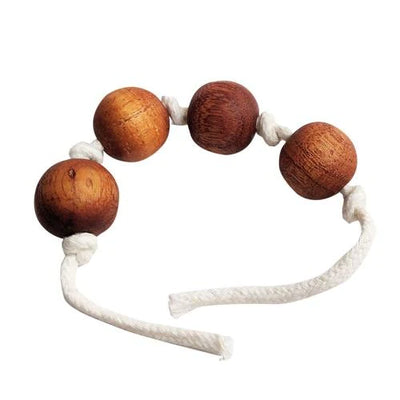
Cords, strings, and ribbons longer than 7 inches can pose strangulation risks, particularly for infants and toddlers. Ensure battery compartments are securely fastened, requiring a tool to open, preventing young children from accessing small, corrosive batteries. With news like KV Toys' acquisition of Play Panda, the market for children's products is dynamic, increasing the need for vigilant parental scrutiny over both new and established brands.
A Practical Guide: How to Check Toy Safety Before You Buy
To truly understand how to check toy safety, you need a systematic approach before making a purchase. First, conduct a thorough physical inspection: shake the toy, pull on its components, and test any moving parts to ensure durability. For activity-based items, consider the child's developmental stage – for instance, toys for an 18-24 month old should support fine motor skills without posing a swallowing risk.
Always trust your instincts; if a toy feels cheaply made or has an odd smell, it’s best to avoid it. Check online reviews and the manufacturer's reputation – a brand with a history of safety recalls is a clear warning sign. SkilloToys meticulously vets its offerings, but parents in Bengaluru and across India are increasingly discerning, and this proactive approach is key. Explore our carefully curated Activity Kits, designed with safety and learning in mind, ensuring peace of mind for parents.
Montessori Toy Safety Tips: SkilloToys' Commitment to Your Child's Well-being
Following Montessori toy safety tips aligns perfectly with SkilloToys' philosophy. Maria Montessori's educational approach inherently champions safety through its emphasis on natural materials, sturdy construction, and purposeful, simple designs. Montessori materials, such as sandpaper letters or sensorial cylinders, are crafted to be durable, tactile, and free from unnecessary frills that could compromise safety.
At SkilloToys, our commitment to your child's well-being is paramount. We adhere to rigorous safety standards, ensuring every product, from our wooden puzzles to our practical life tools, is non-toxic, durable, and age-appropriate. Just as Luxor Crayola deepens its commitment to India’s creative learning market, SkilloToys prioritizes safety and quality in all its offerings. We believe that true learning can only flourish in a secure environment. Discover our full range of Montessori learning materials, where safety is integrated into every design.
- Educational toys safety is paramount for protecting children from physical and chemical hazards.
- A proactive pre-purchase checklist helps Indian parents identify crucial safety red flags in toys.
- BIS certification is a critical indicator of toy safety compliance within India.
- Sharp edges, loose parts, and brittle materials are common design flaws to avoid.
- Hidden hazards include toxic chemicals, excessively loud sounds, and unsecured battery compartments.
- Montessori philosophy inherently promotes safety through durable, natural, and purposeful toy design.
What is the most common safety hazard in educational toys?
Small parts pose the most common safety hazard, particularly for children under three, due to choking risks. Always check for loose components or items that can detach and fit into a child's mouth.
How do I check for chemical safety in toys?
Check for labels like 'non-toxic,' 'BPA-free,' or 'phthalate-free.' A strong chemical odor is a definite red flag. Opt for natural materials like wood with water-based, non-toxic paints.
Are certifications like BIS important for toy safety in India?
Yes, BIS (Bureau of Indian Standards) certification is crucial for toy safety in India, indicating compliance with national safety standards. Look for this mark, alongside international standards like CE or ASTM.
How can I tell if a toy's construction is durable and safe?
Inspect the toy for sturdy construction, smooth finishes, and securely fastened parts. Avoid toys with sharp edges, splinters, exposed screws, or flimsy components that can easily break.
What age recommendations should I follow for educational toys?
Always adhere strictly to the manufacturer's age recommendations, as they are based on developmental stages and potential hazards. A toy for an older child may contain small parts unsafe for a toddler.