Educational Toys by Age: Safety & Buying Guide for Indian Parents
Choosing age-appropriate educational toys is a critical decision for Indian parents, directly impacting a child's developmental journey, ensuring safety, and preventing frustration. Research consistently shows that toys matched to a child's current cognitive and physical abilities foster deeper engagement and more effective learning, as opposed to toys that are too complex or too simple. This guide will help cautious Indian parents and gift-buyers confidently select educational toys that genuinely support every developmental stage, from infancy through early childhood, right here in our vibrant Indian homes.
India's educational toy sector is experiencing significant growth, a trend highlighted by Future Market Insights' projections for the market size by 2036. This reflects a rising awareness among Indian parents about the profound impact of purposeful play on their children's development, moving beyond mere entertainment to genuine learning.
What are Age-Appropriate Educational Toys?
Age-appropriate educational toys are those specifically designed to align with a child's current cognitive, physical, social, and emotional development. This matters because they provide the right level of challenge, preventing boredom or overwhelm, and fostering intrinsic motivation for learning. Indian parents can use this understanding to select toys that truly support their child's holistic growth.
Newborns to 12 Months: Building Foundational Trust & Sensory Awareness
For infants, the world is a continuous sensory exploration. From birth to 12 months, toys should stimulate their senses safely while encouraging basic motor skills. Experts like the American Academy of Pediatrics (AAP) emphasise the importance of sensory input in early infancy, which helps build crucial neural pathways.
For a 3-month-old like Baby Rohan in Bengaluru, soft rattles, fabric books with crinkly pages, and safe, high-contrast visual cards are ideal. These items help develop tracking skills and auditory discrimination. As they reach 6-9 months, objects they can grasp, mouth safely, and manipulate, such as soft blocks or activity kits with various textures, become essential. The satisfying feel of a wooden ring against their gums or the gentle jingle of a bell are powerful learning experiences.
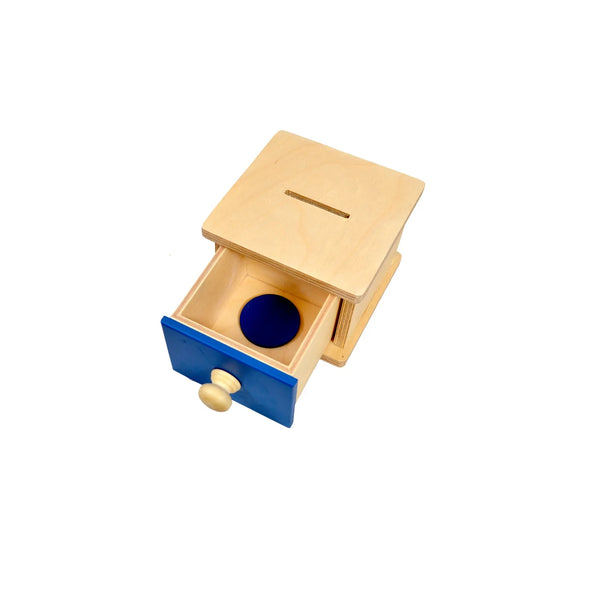
From 9 to 12 months, as crawling begins and sitting becomes stable, stacking rings, simple shape sorters, and large, soft balls encourage problem-solving and gross motor skills. Think of little Anya learning to drop a block into a container – a triumph of hand-eye coordination and spatial awareness.
1 to 3 Years (Toddlers): Exploring Independence and Language
The toddler years are a whirlwind of newfound independence, language explosion, and an insatiable desire to explore. Choosing educational toys for toddlers means focusing on items that support their burgeoning curiosity, fine motor development, and burgeoning communication skills. Maria Montessori famously observed that children this age learn by doing, absorbing everything from their environment.
For a 1-2 year old, chunky puzzles with large knobs, simple stacking blocks, and push-pull toys are perfect. They help refine fine motor skills, spatial reasoning, and coordination. Consider the joy on little Krish's face as he finally fits a square peg into a square hole. These activities also lay the groundwork for understanding cause and effect.
From 2-3 years, language development is paramount. Picture books with clear illustrations, realistic animal figures, and simple play kitchens or dollhouses encourage imaginative play and vocabulary building. Engaging in pretend play, like a joint family preparing a festive meal, helps toddlers practice social roles and develop empathy.
3 to 6 Years (Preschoolers): Nurturing Curiosity & Practical Life Skills
Preschoolers are curious, energetic, and increasingly capable of complex thought. This is a critical period for developing pre-reading, pre-math, and practical life skills. Educational toys for preschoolers should foster concentration, problem-solving, and a sense of accomplishment, aligning with Montessori principles of self-correction and mastery.
For 3-4 year olds, fine motor challenges like stringing beads, using child-safe scissors for craft, or working with intricate puzzles are excellent. Materials like the Pink Tower or Brown Stair, fundamental to Montessori education, help develop visual discrimination of size and sequence. This focus helps prepare their hands and minds for writing later on.
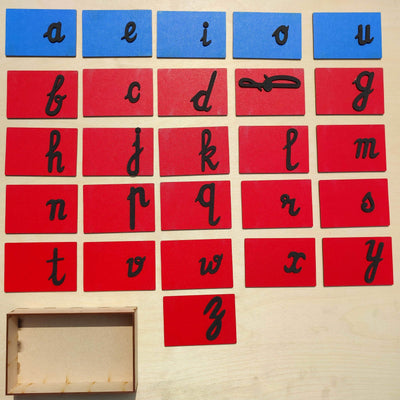
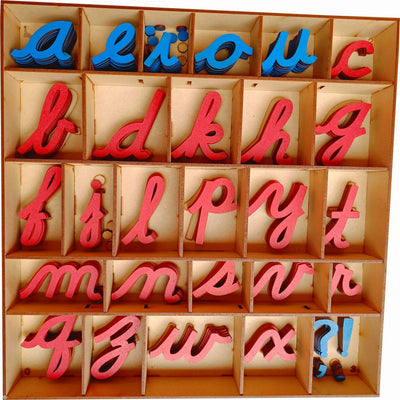
As they approach 5-6 years, the focus shifts to more abstract concepts. Simple board games, construction sets, and early literacy materials like sandpaper letters or movable alphabets become invaluable. These Montessori toys by age are designed to engage children in a hands-on way, making abstract concepts tangible. For Aarya, a 5-year-old in a Bangalore joint family, helping to fold napkins or water plants are 'practical life' activities as vital as playing with a counting game.
6 Years and Beyond (Early Childhood): Developing Logical Thinking & Creativity
As children enter primary school, their cognitive abilities expand rapidly. Educational toys by age for this group should challenge their logical thinking, encourage strategic planning, and provide outlets for creativity. This is a time when they are ready for more complex tasks and cooperative play.
Building kits with smaller components, science experiment sets, and strategy board games are excellent choices. These activities hone critical thinking, problem-solving, and patience. For a 7-year-old like Ishaan, who loves tinkering, a circuit-building kit can ignite a passion for STEM, far more effectively than passive screen time. Coding games for kids or detailed map puzzles can also expand their horizons.
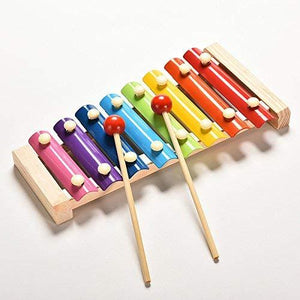
This age group also benefits immensely from creative pursuits. Art supplies, musical instruments, and materials for storytelling encourage self-expression and innovation. The ability to create something from imagination, rather than merely consuming, is a cornerstone of true educational development.
Beyond Age: Observing Your Child's Unique Readiness
While age guidelines are helpful, a crucial, non-obvious insight is that observing your child's unique readiness trumps any age label on a box. A 2-year-old might be ready for a 3-year-old's puzzle, or a 4-year-old might still be captivated by a toddler's stacking toy. Pushing a toy too early can lead to frustration, while introducing it too late can diminish engagement.
Pay attention to their interests, their sustained attention, and their current skill levels. For instance, if your 3-year-old shows intense focus on arranging small objects, they might be ready for more intricate Montessori learning materials. The parent who WhatsApps at 11pm about their toddler's speech delay might find that simple, interactive story cards, rather than complex apps, are what truly spark their child's communication.
The habit Indian dadis have of massaging babies with warm oil isn't just tradition; it's a form of proprioceptive input that helps with body awareness and self-regulation. Similarly, simple wooden blocks, often deemed 'boring' by parents, actually foster stronger problem-solving and imaginative skills because the child has to do the imagining, rather than being passively entertained by flashing lights and sounds.
Safety First: Essential Considerations for Indian Homes
For cautious Indian parents, safety is non-negotiable. Always check for certifications like the Bureau of Indian Standards (BIS) mark, which indicates adherence to quality and safety norms. Avoid toys with small, detachable parts for children under three years to prevent choking hazards. Look for non-toxic, lead-free paints and finishes, especially for teething infants.
In joint family settings or smaller urban apartments, ensure toys are durable enough to withstand multiple users and do not pose trip hazards. Regularly inspect toys for wear and tear, splinters, or broken components. Prioritising quality, long-lasting materials not only ensures safety but also offers better value in the long run.