Educational Toys: Choosing Safe & Truly Learning Toys for Indian Kids
Choosing effective educational toys for children in India requires a mindful approach that prioritizes both safety and developmental benefit. Parents can confidently select toys by understanding their child's unique needs, verifying safety standards, and assessing a toy's true learning potential.
Educational toys are purposefully designed tools that stimulate a child's cognitive, physical, social, and emotional development through play. This matters because well-chosen learning aids significantly impact early brain development, problem-solving skills, and creativity, setting a strong foundation for future learning. Indian parents can proactively enhance their child's learning journey by making informed choices.
Understanding Your Child's Developmental Stage
The first step in choosing effective educational toys is to deeply understand your child's current developmental stage. A toy that is too simple will bore them, while one that is too complex can lead to frustration. For infants (0-12 months), focus on sensory exploration with soft textures, rattles, and gentle musical toys that stimulate sight and hearing.
For toddlers (1-3 years), toys that encourage gross motor skills like push-pull toys, or fine motor skills such as stacking blocks and simple puzzles, are ideal. Preschoolers (3-5 years) thrive with toys that promote imaginative play, early literacy, and numeracy, like pretend play sets or basic counting materials. Child development experts agree that aligning toys with developmental milestones maximizes their learning impact.
Prioritizing Safety: A Non-Negotiable for Indian Parents
Safety must always be the paramount concern when selecting any toy, especially for young children. In India, parents should diligently look for toys that comply with the Bureau of Indian Standards (BIS) certification, which indicates adherence to national safety norms. This is particularly crucial given recent trends highlighting the importance of domestic manufacturing quality and safety.
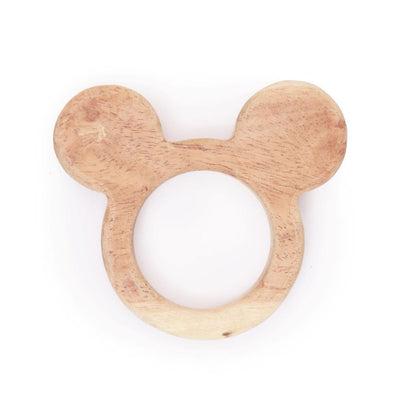
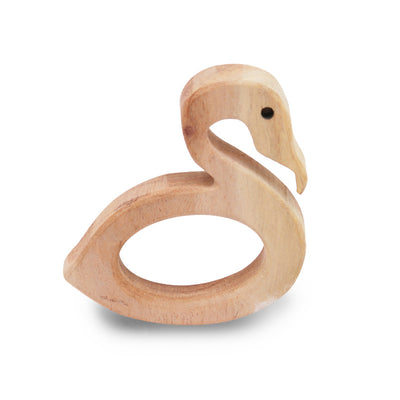
Always check for non-toxic, child-safe materials, avoiding toys with sharp edges, small detachable parts that pose choking hazards for children under three, or strong chemical odors. Research shows that poor quality materials can expose children to harmful substances. For instance, wooden toys from reputable brands often use non-toxic paints and finishes, offering a safer alternative to certain plastic variants.
Evaluating True Educational Value: Beyond the Label
Many toys are marketed as 'educational,' but their true learning potential varies greatly. To assess genuine educational value, look for toys that promote active engagement, critical thinking, and problem-solving. Toys aligned with Montessori principles, for example, encourage hands-on exploration, self-correction, and independent learning.
Consider whether the toy fosters creativity, encourages social interaction, or develops specific skills like fine motor coordination or language. A simple set of building blocks (like our activityKits) can be far more educational than a battery-operated toy that does all the work for the child. The best learning toys for kids often allow for open-ended play, enabling children to use their imagination and discover multiple ways to interact.
Considering Cultural Relevance & Sustainability
For Indian children, incorporating culturally relevant elements in educational toys can significantly enhance engagement and learning. Toys that reflect Indian festivals, traditions, or daily life can make learning more relatable and meaningful. This also aligns with the growing trend of Indian brands creating thoughtful, sustainable toys, as highlighted in recent news.
Opting for sustainable and eco-friendly materials like wood, fabric, or natural rubber not only protects the environment but also often provides a safer play experience. Durable toys that can be passed down through generations, a common practice in Indian joint families, also reduce waste and offer long-term value. This mindful choice supports both the planet and our children's future.
A Step-by-Step Guide to Making Your Smart Choice
Step 1: Observe and Identify Needs
Start by closely observing your child's current interests, challenges, and developmental milestones. Is your toddler struggling with fine motor skills? Is your preschooler showing an interest in letters or numbers? Identifying these specific needs will narrow down your search for relevant educational toys India offers.
Step 2: Research and Review Options
Once you know what you're looking for, research different types of educational toys available. Read product reviews from other parents and look for reputable brands known for quality and safety. Consult resources like SkilloToys.com's comprehensive collection of Montessori-aligned learning materials for trusted options.
Step 3: Verify Safety and Quality
Before purchasing, always verify the toy's safety certifications (like BIS), material composition, and construction quality. Check for potential hazards like small parts, sharp edges, or toxic paints. A well-made toy will withstand the rigors of play and last longer.
Step 4: Assess Educational Impact
Ask yourself: What specific skill will this toy help my child develop? Does it encourage active play, problem-solving, creativity, or social interaction? Does it align with Montessori principles of self-directed, hands-on learning? Choose toys that offer multiple ways to play and grow with your child.
Step 5: Consider Durability and Value
Invest in durable toys that can withstand years of play and potentially be used by younger siblings or cousins. While cost is a factor, prioritize the long-term educational value and safety over a cheaper, less effective alternative. A toy that encourages sustained engagement offers better value than one quickly discarded.
- Choosing educational toys for Indian children requires a focus on developmental stage, safety, and genuine learning value.
- Always verify BIS certification and non-toxic materials to ensure toy safety for children in India.
- True educational toys encourage active engagement, problem-solving, and critical thinking, going beyond passive entertainment.
- Incorporating culturally relevant and sustainable toys enhances engagement and aligns with eco-conscious parenting in India.
- Observing your child's specific developmental needs is the foundational step in selecting appropriate learning toys.
- Montessori-aligned materials, like the Pink Tower for developing visual discrimination or Sandpaper Letters for early literacy, offer proven educational benefits.
What is the difference between an 'educational toy' and a regular toy?
An educational toy is specifically designed to stimulate learning and development in a child, focusing on cognitive, motor, social, or emotional skills. Regular toys may offer entertainment but do not necessarily have a clear developmental objective or curriculum-aligned design.
How can I ensure the educational toys I buy are safe for my child?
To ensure safety, always check for BIS (Bureau of Indian Standards) certification, look for non-toxic materials, ensure there are no small parts for children under three, and verify sturdy construction. Reading product reviews and choosing reputable brands also adds a layer of assurance.
Are expensive educational toys always better for Indian children?
No, expensive educational toys are not inherently better; value lies in the toy's ability to engage and teach your child effectively, regardless of price. Focus on quality, durability, and alignment with your child's developmental stage and interests, rather than just the cost.
How do I choose educational toys that are age-appropriate?
To choose age-appropriate educational toys, understand your child's current developmental milestones and interests. Product descriptions often suggest age ranges, which serve as a helpful guide for ensuring the toy offers an appropriate challenge without being too frustrating or too simple.
Can grandparents or relatives help choose truly educational toys for my child?
Yes, grandparents and relatives can certainly help by understanding the child's specific developmental needs and preferences, and by being guided by the principles outlined in this guide. Sharing a curated list or discussing your child's current learning goals can ensure their gifts are both loved and beneficial.