Educational Toys: Match Child's Interests & Learning Style
Choosing the right educational toys based on a child's unique interests and learning style is paramount for fostering optimal development and lifelong learning. This personalized approach ensures greater engagement and deeper understanding, moving beyond generic play to truly meaningful experiences for Indian children.
Educational toys are purpose-designed tools that stimulate a child's cognitive, physical, social, and emotional growth through play. This matters because they transform passive entertainment into active learning opportunities. Indian parents can leverage these toys to complement formal education and foster critical skills at home.
Understanding Your Child's Unique Interests: The Montessori Way
Identifying your child's inherent interests is the cornerstone of personalized learning, a principle deeply rooted in Maria Montessori's philosophy. Maria Montessori famously stated that children learn best when engaged with materials that genuinely captivate them. Observing what sparks joy and sustained focus in your child—be it building towers, exploring nature, or mimicking daily chores—provides invaluable clues.
In many Indian joint families, grandparents often become keen observers, noticing nuances in a child's play preferences that might otherwise go unnoticed amidst busy schedules. Child development experts agree that a child's intrinsic motivation is the most powerful driver for learning, making this observation period critical for toy selection. Whether they are drawn to artistic expression, scientific exploration, or practical life activities, understanding these inclinations helps you select toys that resonate deeply.
For a child fascinated by construction, activity kits focusing on engineering or spatial reasoning would be ideal. If their world revolves around storytelling, puppets or dramatic play sets can ignite their imagination. Aligning toys with these genuine interests ensures that playtime is not just entertaining but profoundly educational and engaging.
Identifying Learning Styles for Personalized Play
Every child processes information differently, and recognizing their dominant learning style can transform their play experience. Research indicates that aligning learning materials with a child's preferred style can increase engagement by up to 60%, making learning more effective and enjoyable. The three primary learning styles are:
- Visual Learners: These children learn best by seeing. They benefit from brightly coloured toys, puzzles, picture books, and materials that involve sorting by shape or colour.
- Auditory Learners: They learn best by hearing. Toys that produce sounds, musical instruments, storytelling kits, and interactive audiobooks are perfect for them. Engaging in conversations about their play also deeply benefits auditory learners.
- Kinesthetic Learners: These are the 'doers' and 'movers,' learning best through touch, movement, and hands-on experience. Building blocks, sensory bins, clay, manipulatives like the Montessori Pink Tower, and toys that involve gross motor skills are ideal for them.
Studies show children retain information more effectively when presented in a manner that suits their learning strengths. For Indian parents often balancing traditional academic pressures, understanding and supporting a child's learning style at home can create a vital space for self-directed and joyful learning, complementing classroom instruction.
Age-Appropriate & Safe Educational Toys for Kids
Safety and age-appropriateness are non-negotiable when choosing educational toys, particularly for cautious Indian parents. Always check for relevant safety certifications like the BIS (Bureau of Indian Standards) mark, which assures products meet stringent quality and safety norms. Experts stress the importance of non-toxic, durable materials that can withstand rigorous play.
As Indian parents increasingly seek thoughtful and sustainable options, highlighted by trends like '10 Indian Brands Making Thoughtful, Sustainable Toys' on The Better India, the demand for well-designed, safe educational products is surging. The recent acquisition by KV Toys and Luxor Crayola's deepened commitment to India's creative learning market further underscore the vitality and potential of our nation's toy industry.
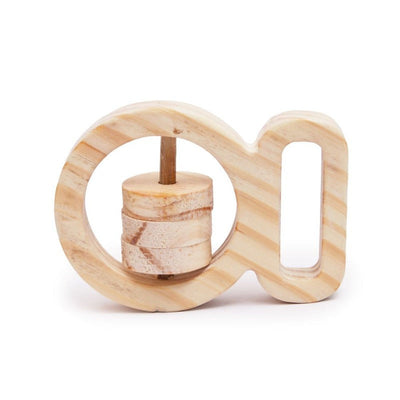
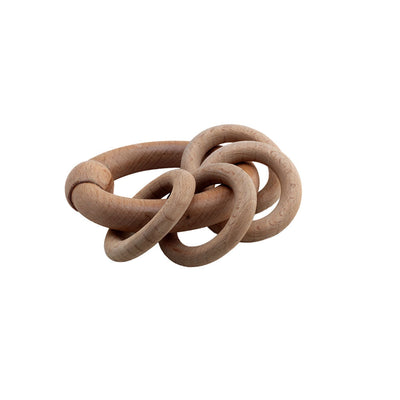
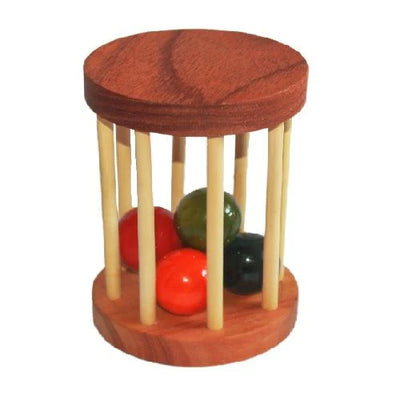
For infants (0-18 months), soft rattles, textured balls, and sturdy stacking rings are ideal, focusing on sensory exploration and fine motor skills. Toddlers (18-36 months) thrive with simple puzzles, large building blocks, and practical life tools that mimic adult activities. Preschoolers (3-6 years) benefit from materials like the Montessori Sandpaper Letters, counting beads, and imaginative play sets that foster problem-solving and social skills.
Beyond the Toy Box: Integrating Play into Daily Life
The journey of choosing educational toys extends beyond the purchase; it's about integrating purposeful play into your child's everyday world. Experts emphasize that play is not just for dedicated playtimes but should be woven into a child's daily routine, fostering continuous learning and curiosity. This could mean involving them in simple kitchen tasks (measuring, pouring), which enhances mathematical concepts, or encouraging them to arrange items by colour and size, sharpening classification skills.
In the Indian context, grandparents often play a vital role, using traditional games, storytelling, and cultural activities to impart knowledge and values. Festivals, too, present unique learning opportunities, from crafting traditional decorations to understanding historical narratives. SkilloToys.com believes in supporting a holistic approach, where educational toys serve as catalysts for exploration, curiosity, and self-discovery, nurturing well-rounded individuals ready to thrive in a dynamic world.
- Choosing educational toys based on a child's unique interests enhances engagement and learning outcomes.
- Identifying a child's learning style (visual, auditory, kinesthetic) allows for a more personalized and effective play experience.
- Maria Montessori's philosophy advocates for observing children to understand their innate curiosities and developmental needs.
- Aligning toys with learning styles can significantly boost a child's retention and enthusiasm for learning.
- Safety certifications and age-appropriateness are paramount for ensuring educational toys are both beneficial and harmless.
- Integrating purposeful play into daily routines, beyond dedicated playtime, supports continuous cognitive and emotional development.
How can I identify my child's unique interests for toy selection?
Observe your child during unstructured play, noting what activities, themes, or materials they gravitate towards most naturally. Pay attention to their sustained engagement, spontaneous questions, and what brings them the most joy.
What are the common learning styles I should consider?
The three primary learning styles are Visual (learning through sight, e.g., pictures, colours), Auditory (learning through hearing, e.g., stories, music), and Kinesthetic (learning through doing and touching, e.g., building, experimenting). Most children exhibit a blend, often with one dominant style.
Are Montessori educational toys suitable for all learning styles?
Yes, Montessori educational toys are designed to be multi-sensory and hands-on, making them inherently adaptable for various learning styles. They particularly benefit kinesthetic and visual learners by offering concrete materials for exploration and self-correction.
How important is age-appropriateness for educational toys?
Age-appropriateness is crucial as it ensures the toy challenges your child without overwhelming or boring them, aligning with their developmental stage. It also significantly impacts safety, as toys for older children can pose choking hazards for younger ones.
How can I ensure the educational toys I buy are safe for my child?
Always check for relevant safety certifications like BIS (Bureau of Indian Standards) marks and look for non-toxic, durable materials. Avoid toys with small, detachable parts for younger children and inspect for sharp edges or potential pinch points regularly.