Educational Toys: Non-Toxic Materials Safety Guide for India
Selecting non-toxic educational toys for children in India is paramount for their safety and development, requiring parents to carefully scrutinise materials and certifications. Research shows that prolonged exposure to harmful chemicals found in some conventional toys can have detrimental long-term health effects on young, developing bodies. This guide empowers Indian parents and grandparents to make informed choices, ensuring their little ones learn and grow in the safest possible environment.
Non-toxic educational toys are playthings designed to stimulate learning and development, crafted exclusively from materials free from harmful chemicals such as BPA, phthalates, lead, and formaldehyde. This matters because a child's delicate system is highly susceptible to chemical absorption, impacting cognitive and physical health. Indian parents can proactively safeguard their children by seeking certified safe products and understanding material labels.
Why Non-Toxic Materials Are Crucial for Indian Children's Health
Child development experts agree that a child's environment significantly influences their well-being, and toys are a central part of that world. With children, especially toddlers aged 18-24 months, exploring objects by mouthing them, the risk of ingesting harmful chemicals from conventional toys becomes a serious concern in every Indian household. Studies indicate that chemical exposure during critical developmental stages can interfere with neurological and hormonal systems, highlighting the urgency of choosing safe playthings.
The modern Indian parent, often juggling professional demands and joint family responsibilities, is increasingly aware of these hidden dangers. This growing awareness aligns with broader trends in India's educational toys sector, which is seeing a shift towards safer, more sustainable options. Ensuring the toys your child interacts with daily are free from toxins is a fundamental step in promoting their holistic health and supporting their natural curiosity without compromise.
Understanding Harmful Chemicals to Avoid in Toys
Navigating the world of toy materials can feel overwhelming, but knowing which specific chemicals to avoid is a critical first step for safe toy materials selection. Indian regulatory bodies are strengthening standards, yet parents must remain vigilant against pervasive hazards. Bisphenol A (BPA), commonly found in some plastics, is an endocrine disruptor linked to developmental and reproductive issues, a significant concern given India's large young population.
Phthalates, often used to make plastics flexible and soft, are another group of chemicals to watch for; they can leach out and are associated with adverse effects on hormone function and respiratory health. Crucially, lead free paint toys are a non-negotiable standard. Lead, a potent neurotoxin, can cause severe, irreversible developmental and neurological damage in children even at low exposure levels, making it imperative to avoid any toy with unknown paint origins. Additionally, formaldehyde, a known carcinogen, and PVC (polyvinyl chloride), which can release phthalates, should also be avoided when considering a child's toy collection.
The Best Non-Toxic Materials for Educational Toys
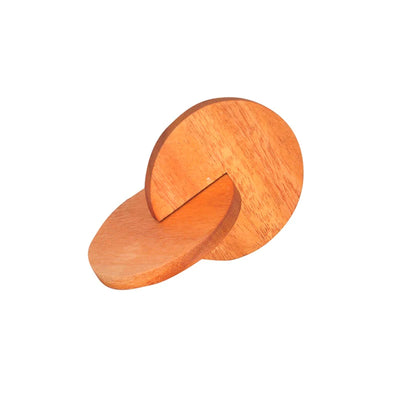
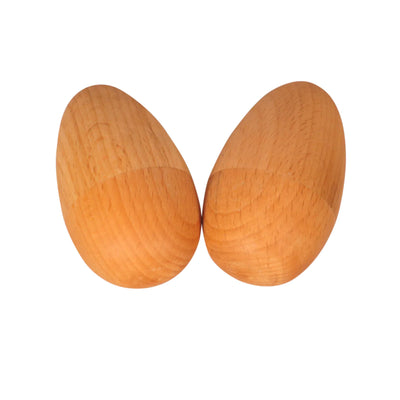
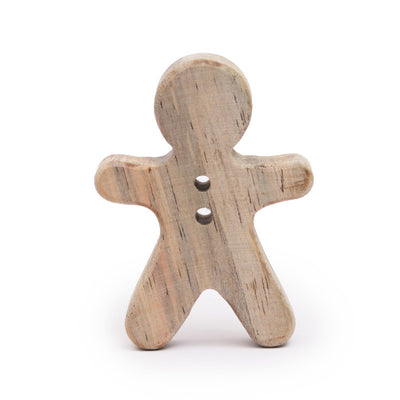
Maria Montessori herself advocated for natural materials, recognising their intrinsic sensory benefits and safety, making Montessori toy materials inherently safer choices. Solid wood, particularly sustainably sourced options like neem, rubberwood, or birch, is considered the gold standard for wooden toy safety in India, especially when treated with non-toxic, water-based stains or natural oils like beeswax. Wooden educational toys, such as the Pink Tower or Sandpaper Letters, offer tactile learning without chemical exposure.
For soft toys and dolls, organic cotton, hemp, or wool provide safe, cuddly alternatives free from synthetic dyes and finishes. Food-grade silicone and natural rubber are excellent for teethers and bath toys, being naturally hypoallergenic and free from BPA or PVC. When plastic toy safety is a concern, look for high-quality, virgin plastics like PP (polypropylene), PE (polyethylene), or ABS (acrylonitrile butadiene styrene) that are explicitly labelled BPA free toys and phthalate-free. These plastics, when responsibly manufactured, can offer durability and hygiene, making them suitable for specific educational purposes like sorting or stacking activities. Discover a wide range of safe, engaging Montessori learning materials that champion these non-toxic principles.
A Parent's Buying Guide: How to Spot Safe Non-Toxic Toys in India
Making an informed choice among the myriad of options available in the Indian market requires vigilance and knowledge. Firstly, always check for safety certifications on packaging. Look for BIS (Bureau of Indian Standards) certification, alongside international standards like CE (European Conformity), ASTM (American Society for Testing and Materials), or EN71. These certifications indicate that the toy has undergone rigorous testing for chemical composition, physical hazards, and flammability, assuring non-toxic toys India parents seek.
Beyond labels, trust your senses: avoid toys with strong, lingering chemical smells, as this often indicates off-gassing of volatile organic compounds. Opt for reputable retailers and established brands that openly share their manufacturing processes and material sourcing, like SkilloToys.com. When buying online, scrutinise product descriptions for material specifics and any "BPA-free," "phthalate-free," or "lead-free paint" declarations. Consider the rising trend of thoughtful, sustainable Indian brands, as highlighted in articles by The Better India, which often prioritise child safety and eco-friendly practices. Empower your child's learning journey with peace of mind by exploring our carefully curated Montessori activity kits, designed with safety and development at their core.
Key Takeaways
- Choosing non-toxic educational toys is essential for protecting Indian children from harmful chemical exposure during critical developmental years.
- Key chemicals to avoid include BPA, phthalates, lead paint, formaldehyde, and PVC, due to their documented adverse health effects.
- Natural materials like sustainably sourced wood, organic cotton, food-grade silicone, and natural rubber are superior non-toxic choices for children's toys.
- Always verify safety certifications such as BIS, CE, ASTM, or EN71 on toy packaging to ensure compliance with safety standards.
- A strong chemical smell is a red flag, indicating potential off-gassing of harmful compounds that should be avoided.
- Prioritising reputable brands and retailers that are transparent about their materials and manufacturing processes ensures safer play experiences for children.
What chemicals should I absolutely avoid in children's toys?
Parents should strictly avoid toys containing Bisphenol A (BPA), phthalates, lead paint, formaldehyde, and PVC. These chemicals are linked to various developmental and health issues in children, making them critical hazards to steer clear of for toy safety.
Are wooden toys always non-toxic for Indian children?
While generally safer, not all wooden toys are automatically non-toxic. It's crucial to ensure the wood is sustainably sourced, and any finishes or paints used are water-based, natural, and certified non-toxic to prevent exposure to harmful chemicals often found in cheaper lacquers or dyes.
How can I identify non-toxic plastic toys in India?
To identify non-toxic plastic toys, look for labels explicitly stating "BPA-free" and "phthalate-free." Opt for plastics like PP (polypropylene), PE (polyethylene), or ABS (acrylonitrile butadiene styrene) from reputable brands. Avoid plastics with a strong chemical smell or that feel unusually soft or greasy.
What certifications should I look for on toy packaging in India?
For toy safety in India, look for the BIS (Bureau of Indian Standards) certification. Additionally, international certifications like CE (European Conformity), ASTM (American Society for Testing and Materials), and EN71 indicate adherence to stringent safety and material standards, assuring product quality.
Why are Montessori toys often recommended for non-toxic play?
Montessori toys are frequently recommended for non-toxic play because the philosophy prioritises natural, durable materials like wood, metal, and cotton, often finished with non-toxic paints or oils. This design approach inherently reduces exposure to harmful chemicals, fostering a safer learning environment for children.