Educational Toys: Ongoing Safety & Maintenance Guide for Indian Parents
Ensuring the long-term safety and educational value of children's educational toys involves consistent inspection, proper cleaning, and mindful storage practices. Research consistently shows that well-maintained toys provide safer, more effective learning experiences for Indian children, protecting both their health and your investment.
Ongoing safety and maintenance for educational toys is the continuous practice of inspecting, cleaning, and storing playthings to preserve their integrity and protect children from hazards. This matters because even the highest quality toys can pose risks if neglected, ensuring sustained learning and safety. Indian parents can safeguard their investments and children's well-being through simple, regular routines.
The Lifespan of Learning: Why Ongoing Toy Maintenance Matters for Indian Families
In bustling Indian households, where children often share spaces and toys, the longevity and safety of educational materials are paramount. Maria Montessori's philosophy emphasises respect for the child's environment, and this extends to the materials they interact with daily. Just as we maintain our homes, we must maintain our children's tools for discovery.
Child development experts agree that well-preserved toys not only minimise health risks but also foster a greater sense of respect for belongings and order. A study by the American Academy of Pediatrics highlighted that proper toy hygiene can reduce the spread of common childhood illnesses by up to 30%, a crucial factor in close-knit family structures.
Long-Term Toy Safety India: Protecting Your Investment and Child
For Indian parents, educational toys are an investment in their child's future, often chosen carefully amidst school pressure and a desire for holistic development. Neglecting their upkeep can lead to premature wear, making them unsafe or ineffective. Moreover, in joint families, toys are often passed down, making regular inspection a critical step to ensure they meet safety standards for a new generation of learners.
Maintaining toys is also an act of teaching responsibility. When children see parents care for their learning tools, they internalise the value of preservation and tidiness, skills that are highly valued in Indian culture. It demonstrates that learning materials are not disposable but cherished instruments of growth.
Essential Cleaning Educational Toys: Methods for Different Materials
Maintaining a clean play environment is crucial for child health, especially in India's diverse climate where dust and humidity can be prevalent. Different materials require specific cleaning approaches to ensure both hygiene and preservation. Always use child-safe, non-toxic cleaning agents.
Cleaning Wooden Montessori Materials
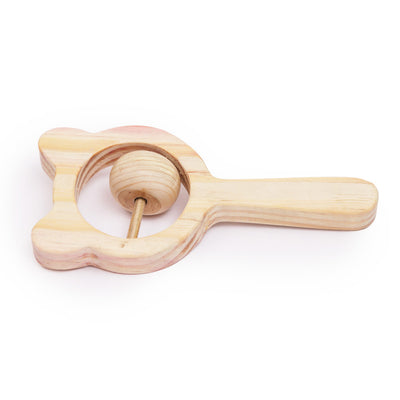
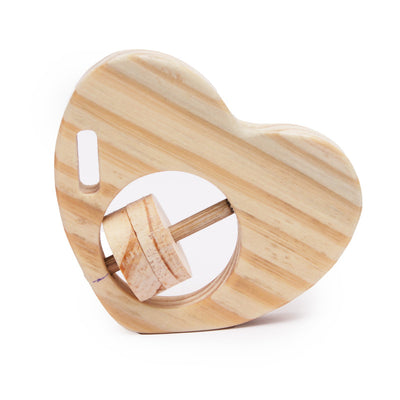
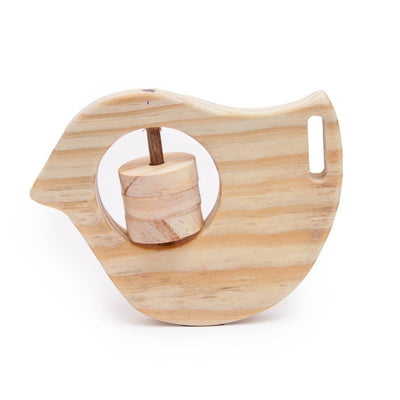
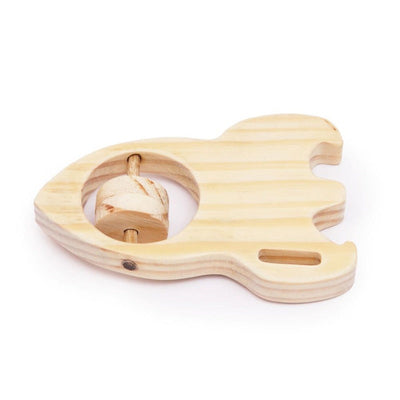
Wooden educational toys, like the iconic Pink Tower or sandpaper letters, are durable but sensitive to moisture. Wipe them down with a slightly damp cloth moistened with a mild soap solution or a natural disinfectant like diluted white vinegar. Immediately dry thoroughly with a clean cloth to prevent warping or mildew. Never soak wooden toys.
Caring for Plastic and Metal Toys
Many Montessori activity kits and sensory exploration tools might incorporate plastic or metal components. These can generally be washed with warm, soapy water, rinsed, and air-dried. For a deeper clean, a solution of baking soda and water works wonders. Always check for crevices where water can accumulate, ensuring complete drying to prevent rust or mould.
Fabric and Soft Toys
Soft toys, often used for comfort or imaginative play, can harbour dust and germs. Small fabric items can be hand-washed with gentle detergent and air-dried. Larger items might require spot cleaning or a machine wash on a delicate cycle in a mesh bag. Ensure they are completely dry before returning them to the child, particularly important in India's humid regions.
Safe Toy Storage: Organising for Longevity and Accessibility
Proper storage is fundamental to toy maintenance and ensures that materials remain inviting and accessible for children, aligning with Montessori principles. In many Indian homes, space can be a premium, making efficient storage solutions vital.
Decluttering and Designated Spaces
Regularly decluttering toys helps identify items that are broken, outgrown, or no longer engaging for the child. Designate specific, low-level shelves or baskets for different categories of toys, making it easy for children as young as 18-24 months to access and return materials themselves. This fosters independence and order, echoing Montessori's emphasis on a prepared environment.
Consider using transparent containers or open shelving so children can visually select their activities without rummaging. This approach not only keeps toys organised but also extends their lifespan by preventing damage from being crammed into overflowing bins. A tidy space encourages focused play and reduces sensory overload.
Inspecting Old Toys for Safety: A Regular Checklist for Parents
A proactive approach to inspecting old toys for safety is non-negotiable for cautious Indian parents. This is especially true given the tradition of passing down toys through generations or receiving gifts during festivals like Diwali or Holi. A regular safety check can prevent accidents and ensure continuous learning.
What to Look For During Your Toy Safety Check
- Cracks and Splinters: For wooden toys, check for any hairline cracks or rough edges that could cause splinters. Sand these down gently if possible, or retire the toy if damage is severe.
- Loose Parts and Choking Hazards: For children under three, any part that fits into a toilet paper roll is a potential choking hazard. Regularly check for loose buttons, eyes, or small components on all toys.
- Peeling Paint or Finish: Ensure paint is intact and non-toxic. Peeling paint on older toys, especially if not originally certified lead-free, can be a serious health risk.
- Frayed Edges and Tears: On fabric toys, check for fraying, loose threads, or tears that could unravel or expose stuffing.
- Rust and Corrosion: For metal parts, look for rust, which can indicate poor storage or pose a hazard.
- Odour: A strong, unusual chemical smell can indicate off-gassing, suggesting a material breakdown or unsafe composition.
Make toy inspection a monthly routine, perhaps during a family tidy-up session. This teaches children about safety awareness and the importance of caring for their belongings.
When to Retire a Toy: Making Tough Decisions for Child Safety
Even with the best maintenance, some educational toys will eventually reach the end of their safe lifespan. Deciding when to retire a beloved toy can be difficult, but child safety must always be the priority. Investing in high-quality Montessori learning materials from SkilloToys ensures you start with robust, safe products, but wear is inevitable over time.
If a toy cannot be repaired safely or poses any of the hazards mentioned above, it must be discarded. This includes items with irreparable breaks, exposed sharp edges, or non-toxic materials that have degraded. While it might be tempting to hold onto a sentimental item, especially when considering its cost, the risk to a child's health and safety is never worth it. Teach children about the lifecycle of objects and the importance of making space for new, safe experiences.
- Consistent inspection, proper cleaning, and mindful storage extend the lifespan and safety of educational toys.
- Well-maintained educational toys provide safer and more effective learning experiences, reducing health risks.
- Wooden toys require gentle wiping and immediate drying; plastic and metal toys can be washed with mild soap; fabric toys need regular washing.
- Safe toy storage involves decluttering, designated low-level spaces, and transparent containers to foster independence and preserve materials.
- Regularly inspect toys for cracks, loose parts, peeling paint, fraying, rust, and unusual odours to prevent safety hazards.
- Retire any toy that is irreparably damaged or poses a risk, prioritising child safety over sentimental value or cost.
How often should I clean my child's educational toys?
Educational toys should be cleaned regularly, especially high-touch items, ideally once a week. Toys used by multiple children or during illness require immediate sanitisation to prevent germ spread.
What are common signs that an educational toy is no longer safe?
Signs a toy is unsafe include cracks, splinters, peeling paint, loose parts, frayed edges on fabric, or a strong chemical smell. Any damage that could create a choking hazard or injury means the toy should be retired.
Is it safe to pass down old educational toys to younger siblings in India?
Passing down educational toys is often a cherished tradition in Indian joint families, but it is safe only after a thorough inspection for wear, damage, and compliance with current safety standards. Ensure all parts are intact and suitable for the younger child's age.
How can I store educational toys to prevent damage and keep them hygienic?
Store educational toys in clean, dry, and easily accessible containers or shelves, away from direct sunlight or humidity. Proper storage prevents dust accumulation, mildew, and physical damage, extending the toy's lifespan.
What is the best way to clean wooden Montessori materials?
For wooden Montessori materials like the Pink Tower or Brown Stair, wipe them with a damp cloth and a mild, child-safe disinfectant solution, then immediately dry thoroughly. Avoid soaking wooden toys to prevent warping or swelling.