Educational Toys: Ultimate Safety & Buying Guide for Indian Parents
Choosing high-quality educational toys is one of the most impactful decisions Indian parents can make for their child's early development. Research consistently indicates that play-based learning significantly improves cognitive abilities and problem-solving skills, laying a strong foundation for future academic and life successes.
As India’s educational toy sector experiences remarkable growth, with increasing investment and innovation, parents now have access to an unprecedented range of options. This guide empowers cautious Indian parents and gift-buyers in Bengaluru and across the nation to confidently select toys that are not only engaging but also unequivocally safe and developmentally appropriate.
What Are Educational Toys and Why They Matter for Indian Children?
Educational toys are specifically designed to stimulate a child's learning and development through play, fostering essential skills across various domains. This matters immensely because these toys prepare children for school, enhance their critical thinking, and build a lifelong love for learning. Indian parents can leverage these tools to complement traditional schooling and support holistic growth, aligning with aspirations for their children's bright futures.
The Rise of Educational Toys India: Trends & Opportunities
The landscape of educational toys India is flourishing, reflecting a growing awareness among parents about the importance of early childhood development. Recent reports, like those highlighting trends in India's educational toys sector, confirm a robust market driven by both domestic innovation and international collaborations. Investments, such as KV Toys acquiring a stake in Play Panda, underscore confidence in the sector's potential to deliver high-quality, impactful learning tools.
This boom means more choices for families, from locally crafted wooden toys that celebrate Indian culture to internationally inspired Montessori materials. Parents in joint families or those navigating busy urban lifestyles in Bengaluru are increasingly seeking toys that offer tangible developmental benefits, moving beyond mere entertainment. This shift ensures that children are not just playing, but actively learning and growing with every interaction.
Prioritising Safe Educational Toys: What Indian Parents Must Know
The safety of safe educational toys is paramount for every Indian family. Child development experts unequivocally state that a toy’s safety directly impacts a child’s well-being and ability to learn without risk. Parents must meticulously check for key safety indicators before purchasing.
Always ensure toys are made from non-toxic, child-safe materials, free from lead, phthalates, and other harmful chemicals. Look for proper certifications, such as the BIS (Bureau of Indian Standards) mark, which indicates adherence to stringent safety protocols. For infants and toddlers (0-3 years), toys must not have small parts that could pose a choking hazard, and all edges should be smooth, without splinters or sharp points. Durability is also crucial, as well-made toys withstand rigorous play and do not break easily, preventing potential injuries.
A Comprehensive Buying Guide Educational Toys for Every Age and Stage
Choosing the perfect buying guide educational toys means understanding your child's developmental milestones. Each age group thrives on different types of stimulation, and selecting appropriate toys maximises their learning potential. Here’s a detailed guide for Indian parents:
Infants (0-12 Months): Sensory Exploration
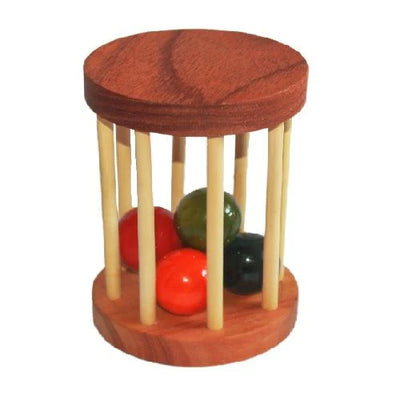
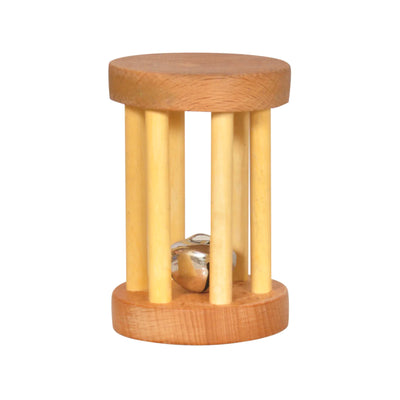
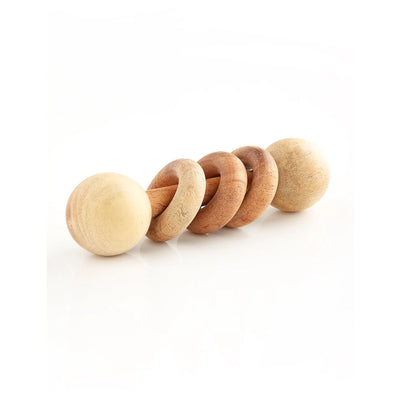
For newborns and infants, toys that stimulate the senses are vital. Soft rattles, unbreakable mirrors, textured cloths, and gentle musical toys help develop sight, sound, and touch. Maria Montessori emphasised sensorial learning from birth, promoting items like grasping beads and mobiles that encourage focus and early motor skills. These experiences are fundamental for cognitive development in their first year.
Toddlers (1-3 Years): Motor Skills, Language, and Early Problem-Solving
Toddlers are bursting with energy and curiosity. Toys like stacking rings, shape sorters, and large building blocks are ideal for refining fine and gross motor skills. Montessori materials such as the Pink Tower or Knobbed Cylinders teach concepts of size, order, and spatial reasoning. Simple picture books and sound puzzles aid language acquisition, crucial for children starting to form their first sentences in Hindi, Kannada, or other regional languages.
Preschoolers (3-5 Years): Creativity and Pre-Academic Skills
This age group benefits from toys that encourage imaginative play, social interaction, and early literacy/numeracy. Play kitchens, doctor sets, and puppet theatres foster creativity and social skills often seen in joint family settings. Jigsaw puzzles, alphabet blocks, and number games are excellent for pre-reading and pre-math skills. Engaging with activity kits, such as those for simple crafts or science experiments, introduces foundational STEM concepts in a fun way.
School-Aged (6+ Years): Critical Thinking and Specialised Learning
For children entering school, toys should challenge their intellect and encourage deeper exploration. Board games promote strategic thinking and social interaction, while complex building sets (e.g., advanced blocks, construction kits) enhance problem-solving and spatial reasoning. Science experiment kits, robotics sets, and geography puzzles help develop specialised interests and analytical skills, preparing them for more complex academic challenges and reducing school pressure through engaging home learning.
Types of Educational Toys for Kids: Beyond the Classroom
Beyond traditional categories, a diverse range of types of educational toys for kids ensures comprehensive development:
-
Montessori-Inspired Toys: Focused on self-correction, independent learning, and practical life skills. Materials like Sandpaper Letters for language or sorting trays for fine motor development are highly effective.
-
STEM (Science, Technology, Engineering, Math) Toys: These toys, from simple gears to coding robots, foster critical thinking, problem-solving, and innovation, preparing children for future careers in technology-driven India.
-
Art and Craft Kits: Encourage creativity, fine motor skills, and self-expression. Activity kits for painting, clay modelling, or weaving are excellent for fostering imagination.
-
Role-Play and Pretend Play Toys: These develop social skills, emotional intelligence, and empathy as children act out real-life scenarios, often mirroring their experiences with family or community.
The market for best educational toys in India is rich and dynamic. By prioritising safety, understanding developmental stages, and exploring diverse toy types, Indian parents can make informed choices that truly benefit their children. SkilloToys.com is committed to providing a curated selection of safe, high-quality, and engaging educational toys, empowering every child to learn, grow, and thrive.
- Play-based learning, especially with educational toys, significantly enhances a child's cognitive development and problem-solving skills.
- India's educational toy sector is experiencing substantial growth, offering a wider array of high-quality, innovative learning tools.
- Toy safety is non-negotiable; always verify non-toxic materials, appropriate age ratings, and certifications like the BIS mark.
- Age-appropriate toy selection is crucial, matching toys to a child's developmental stage rather than just their age.
- Montessori-inspired toys are highly effective for fostering independence, concentration, and practical life skills in Indian children.
- Diverse educational toy types, including STEM and art kits, support holistic development beyond traditional academic learning.
What makes a toy 'educational' for an Indian child?
An educational toy engages a child's mind and promotes specific skills like problem-solving, creativity, or fine motor development, rather than just passive entertainment. For Indian children, this often includes toys that support early literacy, numeracy, cultural understanding, and prepare them for school.
How can I check if an educational toy is truly safe for my child?
To check toy safety, always look for certifications like BIS (Bureau of Indian Standards) or international equivalents like CE mark, indicating adherence to safety standards. Examine materials for non-toxic properties, ensure there are no small parts for children under three, and check for sturdy construction without sharp edges or pinch points.
Are Montessori toys considered educational, and are they suitable for Indian homes?
Yes, Montessori toys are highly educational, designed to foster independence, concentration, and practical life skills through self-directed play. They are perfectly suited for Indian homes, promoting focused learning that complements the values of hands-on exploration and skill development often encouraged in Indian parenting.
What is the best way to choose age-appropriate educational toys?
The best way to choose age-appropriate educational toys is by considering your child's developmental stage, not just their chronological age. Look for toys that challenge them without frustration, aligning with their current cognitive, physical, and emotional capabilities. SkilloToys provides age recommendations to guide your selection.
How can educational toys support my child's learning beyond school curriculum in India?
Educational toys support learning beyond the curriculum by developing critical thinking, creativity, and problem-solving skills that are essential for lifelong success. They encourage independent exploration and curiosity, helping children build a strong foundation for future academic challenges and personal growth in a competitive environment.