How to Choose Educational Toys for Kids
To effectively choose educational toys for kids, Indian parents should prioritise age-appropriate, open-ended, and safe options that encourage hands-on exploration and independent discovery. This Montessori-inspired approach empowers children to learn at their own pace, fostering crucial developmental skills from an early age.
What Are Educational Toys?
Educational toys are tools designed to stimulate a child's cognitive, physical, social, and emotional development through play. They are purposeful, encouraging active engagement and problem-solving, rather than passive entertainment. Indian parents can leverage these toys to support holistic growth, preparing children not just for school but for life.
Understanding Child Development Stages: A Developmental Toys Buying Guide
Child development experts agree that toys must align with a child's current stage and sensitive periods for maximum impact. For instance, a toddler between 18-24 months benefits immensely from shape sorters and stacking rings that refine fine motor skills and spatial reasoning. Conversely, a preschooler thrives with puzzles and lacing beads that challenge their concentration and dexterity.
Research shows that introducing age-appropriate materials prevents frustration and boredom, fostering a positive relationship with learning. Consider your child’s unique pace and interests, rather than rushing them into complex toys meant for older children. This thoughtful selection ensures that the toy truly serves as a developmental aid.
The Montessori Way: A Montessori Toy Selection Guide for Purposeful Play
The core of Montessori philosophy, pioneered by Maria Montessori, revolves around "learning by doing" with carefully designed materials. These toys are often self-correcting, allowing children to identify and fix their own mistakes, building confidence and independence. Examples include the Pink Tower for understanding dimensions and sandpaper letters for tactile literacy.
Montessori toys emphasise sensory exploration, practical life skills, and focused concentration. They are typically made from natural materials like wood, promoting a connection with the environment. When selecting, look for toys that have a single purpose, are aesthetically pleasing, and invite focused, repeatable actions. Explore our wide range of Montessori learning materials and toys that embody these principles.
Safety First: Prioritising Safe Learning Toys in India
For Indian parents, toy safety is paramount, especially with joint families where toys are shared across age groups. Always check for BIS (Bureau of Indian Standards) certification, indicating adherence to national safety standards. Look for non-toxic, child-safe paints and finishes, particularly on wooden toys or those that children might mouth.
Inspect toys for small, detachable parts that could pose a choking hazard for younger children, especially those under three. Durable construction is also vital, as flimsy toys can break easily, creating sharp edges or loose pieces. Choosing reputed brands ensures higher quality control and safer playtime for your little ones.
Beyond the Labels: Evaluating a Toy's True Value for Indian Homes
An educational toy’s true value lies in its ability to spark creativity and encourage open-ended play, transcending its initial purpose. Consider how a toy can be used in multiple ways, fostering imagination and problem-solving. For instance, a set of simple wooden blocks can become a bustling Bengaluru market, a festive Diwali rangoli pattern, or a tower for pretend play.
In Indian homes, where often multiple generations and children of varying ages interact, durability and versatility are key. Grandparents often appreciate toys that bridge traditional play with modern learning. Prioritise toys that promote collaboration, storytelling, and family engagement over those that offer only singular, passive interaction.
Balancing Screen Time with Hands-On Learning: Embracing Activity Kits
In an age dominated by digital distractions, hands-on educational toys provide a crucial balance, fostering tangible skill development. Studies indicate that excessive screen time can impede fine motor skills and attention spans in young children. Physical toys, conversely, engage multiple senses, promoting active brain development.
Activity kits offer structured yet creative learning experiences, perfect for curious Indian children. From science experiments to craft projects, these kits provide engaging ways to learn new concepts and build practical skills, making them excellent alternatives or complements to digital entertainment. Explore our diverse collection of activity kits to spark joy and learning.
Key Takeaways for Choosing Educational Toys
- Selecting educational toys requires aligning with a child's specific developmental stage and sensitive periods.
- Montessori-inspired toys foster independence, self-correction, and focused learning through purposeful design.
- Prioritise toys with BIS certification and non-toxic materials to ensure the highest safety standards for children in India.
- The most valuable educational toys promote open-ended play, creativity, and offer multiple uses across various age groups.
- Balancing screen time with engaging, hands-on activity kits is crucial for holistic child development.
- Thoughtful toy selection supports not just academic readiness but essential life skills and cultural connection.
What age range benefits most from Montessori toys?
Montessori toys are highly beneficial for children from infancy through elementary school, typically ages 0-12 years. They are designed to adapt to a child's developmental needs, supporting concentration, independence, and skill mastery at every stage.
How can I ensure an educational toy is safe for my child?
To ensure toy safety, always check for national certifications like BIS in India, and international standards. Prioritise non-toxic materials, durable construction, and confirm there are no small, detachable parts that could be choking hazards for young children.
Are expensive toys always more educational?
No, the price of a toy does not directly correlate with its educational value. Effective educational toys are those that promote open-ended play, creativity, and align with a child's developmental stage, regardless of cost.
How do I choose educational toys for a joint family with different age groups?
For joint families, opt for versatile, durable, and open-ended toys that can be used in various ways by children of different ages. Blocks, construction sets, and art supplies are excellent choices that encourage shared play and collaboration.
What is the role of wooden toys in child development?
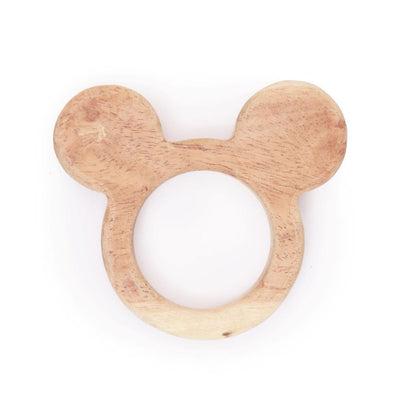
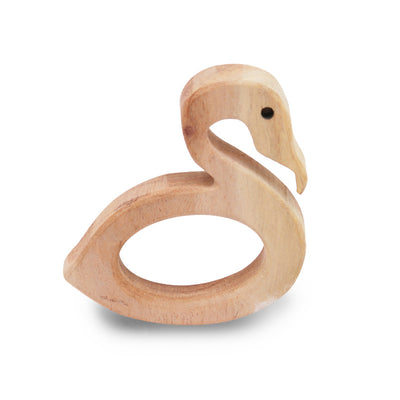
Wooden toys are highly valued for their durability, sensory appeal, and natural aesthetic, promoting a tactile learning experience. They are often less distracting than plastic toys, encouraging deeper focus and imaginative play, which is vital for early child development.
Choosing educational toys for your children is a journey of thoughtful observation and informed decisions. By embracing Montessori principles and prioritising safety and developmental appropriateness, Indian parents can create enriching play environments. At SkilloToys.com, we are committed to offering safe, high-quality, and purposeful toys that support every child's unique path to discovery and learning.