How to Choose Safe Early Learning Toys: A Parent's Guide
To how to choose safe early learning toys effectively, parents must prioritize non-toxic materials, age-appropriateness, and adherence to Indian safety standards like BIS, ensuring products are free from choking hazards and harmful chemicals. Research shows that well-chosen early learning toys significantly support cognitive and motor skill development, making informed selection crucial for a child's foundational growth. For Indian parents, this means looking beyond brand names to evaluate intrinsic product features.
The early learning toys market in India is experiencing rapid growth, with companies like LiLLBUD securing significant funding to expand their offerings, and IMARC Group highlighting the expanding landscape of Indian toy manufacturers. This surge in options, while exciting, necessitates a clear understanding of what truly constitutes a safe and developmentally effective toy for our children, whether buying for your own little one or as a thoughtful gift for a niece or nephew in your joint family.
What Makes an Early Learning Toy Safe and Effective?
An early learning toy is safe and effective when it promotes developmental growth through engaging, child-led interaction while adhering to stringent safety protocols. This matters because children learn best through direct experience with safe, purposeful materials that match their stage of development. Indian parents can confidently select toys by understanding the core principles of safety, durability, and educational value, ensuring peace of mind amidst the bustling market.
Prioritising Safety First: Understanding Indian Toy Safety Standards
When evaluating essential features early learning toys must possess, safety is paramount. Child development experts agree that a toy's primary role is to provide a secure environment for exploration and learning. In India, the Bureau of Indian Standards (BIS) mandates compliance with IS 9873 (Parts 1-3), covering mechanical and physical properties, flammability, and the migration of certain elements like heavy metals. Always look for the BIS mark on toy packaging, especially for imported items.
Beyond certification, scrutinize the toy's physical attributes. Small parts pose a significant choking hazard for infants and toddlers; a general rule is that any part that can fit into a toilet paper roll is unsafe for children under three. Examine toys for sharp edges, points, and pinch hazards. Durable construction is also vital, as flimsy toys can break easily, creating new hazards. For instance, the recent launch of Funskool’s ‘Blazetrix’ – a Made-In-India vehicle toy range – emphasizes local manufacturing which can often mean better oversight on material sourcing and compliance with domestic standards.
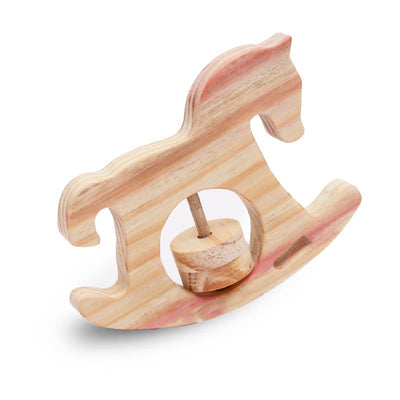
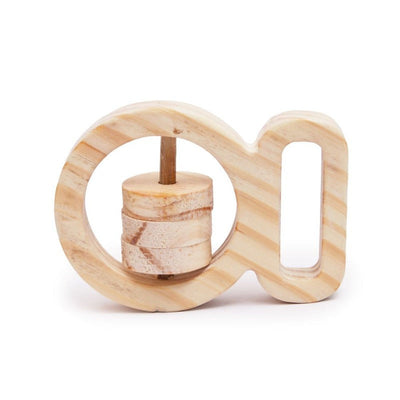
Furthermore, the materials themselves are critical. Opt for toys made from natural wood, organic cotton, or food-grade silicone. Always confirm that paints and finishes are non-toxic, lead-free, and water-based. Research shows that exposure to certain chemicals in toys can have long-term health implications, making material safety a non-negotiable criterion for cautious Indian parents.
Essential Features for Developmental Effectiveness
Once safety is assured, consider what makes an early learning toy truly effective for a child's development. Effective toys are those that encourage active engagement, problem-solving, and critical thinking, rather than passive entertainment. They are often open-ended, allowing children to direct their own play and imagination, which is a cornerstone of the Montessori philosophy.
Look for toys that are designed for a single purpose, enabling deep concentration and mastery of a specific skill. For example, a set of wooden blocks promotes creativity and spatial reasoning, while puzzles enhance fine motor skills and logical thinking. Toys that offer self-correction, a key Montessori principle, allow children to learn from their mistakes independently, building confidence. Consider engaging activity kits that encourage hands-on exploration and skill development through purposeful tasks.
Montessori principles emphasize toys made from natural materials, connecting children to the real world and providing varied sensory experiences. Such materials, like those used in the classic Pink Tower, are often more aesthetically pleasing and durable, making them ideal for repeated use in a bustling Indian home. Studies indicate that toys promoting constructive play significantly boost cognitive flexibility and problem-solving abilities in young children.
The Montessori Approach: Developmentally Appropriate Toys India
Choosing developmentally appropriate toys India parents value means understanding your child’s unique stage of growth, as championed by Maria Montessori. A toy that is perfect for a 2-year-old might be overwhelming for a 1-year-old or too simplistic for a 4-year-old. Developmentally appropriate toys align with a child’s natural interests and capabilities, fostering independence and a love for learning.
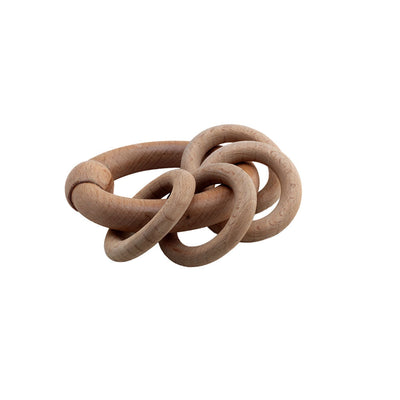
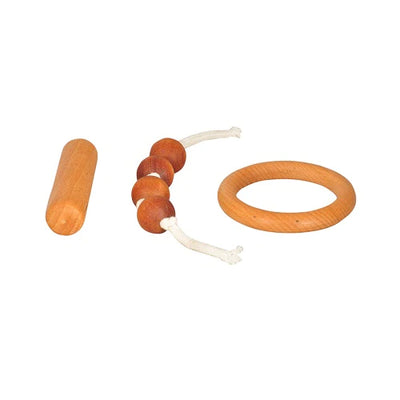
For toddlers (18-24 months), toys that aid object permanence, fine motor skills, and practical life activities are ideal. Think simple shape sorters, stacking rings, or objects for pouring and transferring. As children grow, their needs evolve; a 3-year-old might benefit from sandpaper letters or practical life tools that mimic household chores, appealing to their innate desire to participate in family activities, common in many Indian joint families.
Child development experts emphasize that over 70% of a child's brain development occurs before the age of three, underscoring the importance of early sensory and cognitive stimulation through appropriate toys. When grandparents or other family members choose gifts, encouraging them to consider these developmental milestones can ensure thoughtful and impactful selections. SkilloToys.com offers a wide range of Montessori method learning materials designed to meet children at their specific developmental stages, supporting their natural drive to learn and explore.
Key Takeaways for Choosing Safe & Effective Early Learning Toys
- Always prioritize toys with BIS certification and clear labeling for non-toxic, child-safe materials, especially for paints and finishes.
- Ensure toys are free from small parts (for children under three), sharp edges, and pinch hazards to prevent choking or injuries.
- Opt for durable, well-constructed toys made from natural materials like wood or organic cotton, which offer better longevity and sensory experience.
- Choose open-ended toys that encourage imagination, problem-solving, and child-led play, supporting cognitive flexibility and creativity.
- Select toys that are developmentally appropriate for your child's age, matching their current skills and fostering independence and mastery.
- Montessori principles advocate for purposeful, self-correcting toys that connect children to the real world, enhancing their practical life skills.
What is the most crucial safety feature for early learning toys?
The most crucial safety feature for early learning toys is ensuring they are free from choking hazards and made from non-toxic, child-safe materials. This includes checking for small parts, lead-free paints, and adherence to BIS (Bureau of Indian Standards) guidelines for toy safety.
How do I know if a toy is developmentally appropriate for my child?
A toy is developmentally appropriate if it aligns with your child's current stage of development, offering challenges that are neither too easy nor too frustrating. It should foster curiosity and allow for child-led exploration, promoting skills like fine motor coordination or problem-solving without being overly prescriptive.
Are Montessori toys inherently safer than other early learning toys?
Montessori toys are often inherently safer due to their typical construction from natural, durable materials like wood, and their design which avoids unnecessary small parts or elaborate electronic components. While their safety features are strong, always verify specific product certifications and material safety regardless of the brand or method.
What are the benefits of open-ended toys for early learning?
Open-ended toys, such as wooden blocks or simple puzzles, encourage creativity, problem-solving, and imaginative play because they lack a single predetermined use. They grow with the child, adapting to various stages of development and offering sustained engagement and learning opportunities.
Where can Indian parents find reliable information on toy safety standards?
Indian parents can find reliable information on toy safety standards from the Bureau of Indian Standards (BIS) website, which outlines mandatory safety requirements. Additionally, reputable toy retailers like SkilloToys.com often provide details on product certifications and material safety directly on their product pages.