How to Evaluate Indian Toy Brands: Your Universal Checklist
To effectively how to evaluate Indian toy brands, parents must prioritise stringent safety standards, assess genuine educational value, and scrutinise brand transparency. This definitive checklist empowers cautious Indian parents and gift-buyers in Bengaluru and across the nation to make informed decisions for their children.
India's toy market is booming, vibrant, and incredibly diverse. From established players to emerging indigenous brands, and those focusing on sustainability like the ones highlighted in The Better India, the choices can be overwhelming. As LiLLBUD raises significant funding to expand early learning toys, and more companies enter the Top 10 Toys Companies in India list, parents need a consistent, reliable framework. This universal checklist synthesises the most critical criteria to ensure every toy you choose for your child is both safe and profoundly beneficial.
What is Evaluating Indian Toy Brands?
Evaluating Indian toy brands is the systematic process of critically assessing a manufacturer's products against established benchmarks for child safety, educational efficacy, and ethical production. This matters because the burgeoning Indian toy market, while innovative, requires vigilance to ensure quality. Indian parents can confidently navigate this landscape by applying a systematic evaluation checklist, ensuring every purchase enriches their child's development.
Prioritise Safety First: The Essential Indian Toy Brand Safety Checklist
Child safety is paramount, especially in a dynamic market. Research shows that toys meeting specific safety standards significantly reduce the risk of injury. As parents in India, ensuring a toy is safe involves more than just a quick glance; it requires a detailed understanding of certifications and materials.
Confirming Certifications and Regulatory Compliance
The first step in any Indian toy brand safety checklist is to verify certifications. For toys sold in India, the Bureau of Indian Standards (BIS) mark is non-negotiable. This mark, issued by the Indian government, confirms the toy meets specific safety requirements regarding chemical content, flammability, mechanical, and electrical properties.
Furthermore, many quality Indian brands also adhere to international standards like CE (European Conformity), ASTM (American Society for Testing and Materials), or EN71. These additional certifications often indicate a brand's commitment to global safety benchmarks. SkilloToys, for instance, exclusively partners with brands that demonstrate unwavering compliance with both national and international safety mandates.
Assessing Material Quality and Durability
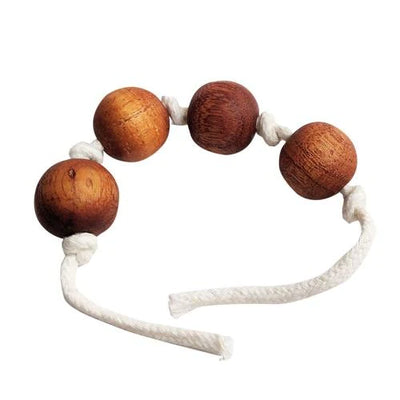
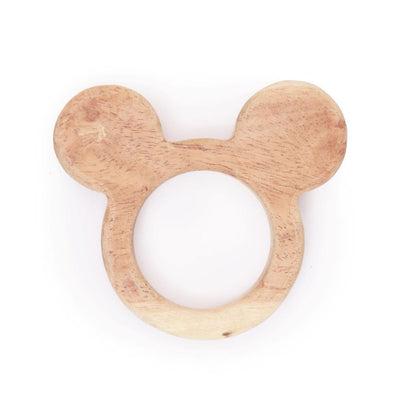
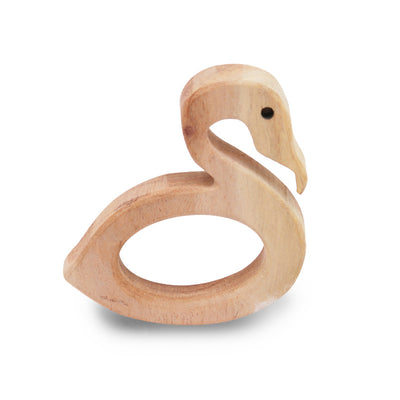
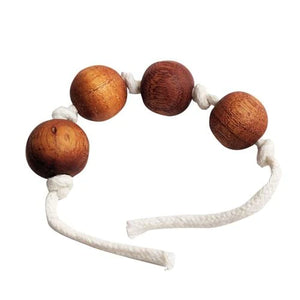
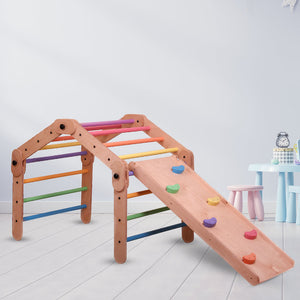
The materials a toy is made from directly impact its safety and longevity. Look for non-toxic, child-safe materials such as sustainably sourced wood, organic cotton, food-grade silicone, or BPA-free plastics. Avoid toys with strong chemical smells or flaking paint.
Durability is crucial, especially in bustling Indian homes where toys are often shared among siblings or even across generations. A well-constructed toy from a reputable brand will withstand vigorous play, minimizing the risk of breakage into small, hazardous pieces. Studies indicate that durable toys offer better long-term value and reduce environmental waste, aligning with the ethos of sustainable brands featured in recent news.
Unlocking Learning Potential: Educational Toy Brand Evaluation India
Beyond safety, the core purpose of a good toy is to foster growth. An effective educational toy brand evaluation India focuses on how a toy supports holistic child development, moving beyond mere entertainment.
Aligning with Child Development Principles (Montessori Toy Brand Assessment India)
A truly educational toy aligns with established child development principles. Maria Montessori’s philosophy, for example, emphasizes purposeful play that builds concentration, independence, and practical life skills. When performing a Montessori toy brand assessment India, consider if the toy:
- Is age-appropriate: It should challenge without frustrating. For an 18-24 month old, simple sorting trays or knobbed cylinders are ideal.
- Fosters independence: Can the child use it largely on their own, encouraging self-correction?
- Engages multiple senses: Textured materials, varied weights, and distinct shapes enhance learning.
- Promotes open-ended play: Toys like wooden blocks or a simple play kitchen encourage imagination, unlike single-purpose electronic gadgets.
SkilloToys carefully curates its collection of Montessori learning materials, ensuring each item offers genuine developmental benefits, making the evaluation process simpler for discerning parents.
Encouraging Skill Development and Engagement
High-quality educational toys are designed to develop a range of skills—cognitive, fine motor, gross motor, problem-solving, and creativity. For instance, an activity kit that requires sorting and stacking not only hones fine motor skills but also introduces early mathematical concepts.
In Indian homes, where joint families often mean shared playtime, toys that encourage collaboration and communication are invaluable. Opt for brands that focus on engaging children away from screens, promoting hands-on interaction and imaginative scenarios that build crucial social-emotional skills. Explore our range of activity kits designed for comprehensive skill development.
Beyond the Product: Trusting Made-in-India Toy Brand Quality Standards
The emergence of indigenous brands and their focus on quality is a welcome trend. Understanding a brand's ethos and operational transparency is as important as the toy itself when evaluating made-in-India toy brand quality standards.
Brand Transparency and Reputation
A reputable Indian toy brand will be transparent about its manufacturing processes, material sourcing, and ethical labor practices. Check customer reviews and testimonials; a consistent pattern of positive feedback regarding product quality, safety, and customer service is a strong indicator of reliability.
The growth of Indian brands, as noted in articles about the 'Top 10 Toys Companies in India,' highlights a competitive landscape where reputation is key. Brands that actively engage with parent communities and clearly communicate their values often build stronger trust.
Post-Purchase Support and Longevity
Consider a brand's commitment to its customers beyond the sale. Does it offer clear return policies, warranty information, or readily available customer support? For toys that are often passed down, especially in Indian families, the availability of replacement parts or guidance on maintenance can significantly extend a toy's lifespan and value.
Investing in toys from brands known for excellent post-purchase support ensures that your investment continues to benefit your child for years, providing peace of mind to grandparents and parents alike.
- The BIS mark is the definitive safety standard for Indian toys, confirming compliance with national regulations.
- Quality Indian toy brands prioritize non-toxic, sustainable materials like wood and organic fabrics for child safety and durability.
- Effective educational toys align with developmental principles, fostering independence and specific skills rather than just entertainment.
- Montessori toy assessment focuses on open-ended, purposeful play that engages multiple senses and encourages self-correction.
- Brand transparency regarding manufacturing and customer service is crucial for establishing trust in the Indian toy market.
- Investing in durable, high-quality toys from reputable brands offers long-term value and reduces environmental impact.
What is the most crucial factor when evaluating an Indian toy brand?
The most crucial factor is safety certifications, specifically the BIS (Bureau of Indian Standards) mark for toys sold in India. This mark confirms that the product meets stringent national safety standards, protecting children from potential hazards.
How can I assess a toy's educational value for my child?
Assess a toy's educational value by observing if it encourages open-ended play, fosters independence, and aligns with developmental milestones like those emphasized in the Montessori method. Look for toys that promote problem-solving, fine motor skills, and imaginative engagement.
Are 'Made in India' toys generally safe and high quality?
Yes, many 'Made in India' toy brands are now prioritizing high quality and safety, often adhering to BIS standards and using sustainable materials. The market's growth, highlighted by companies like LiLLBUD, indicates a strong focus on quality and innovation within the country.
How important are material choices in a toy's safety and longevity?
Material choices are critically important for both safety and longevity. Non-toxic, sustainably sourced materials like natural wood, organic cotton, and food-grade silicone minimize exposure to harmful chemicals and ensure the toy withstands vigorous play for years, even across generations in a joint family.
Does a higher price always mean a better quality Indian toy?
A higher price often correlates with better quality materials, ethical production, and robust design, but it's not the sole indicator. Always cross-reference price with certifications, brand reputation, and specific product reviews to ensure value and safety, rather than just assuming based on cost.