Indian Sustainable Toy Brands: A Buying Guide for Parents
Choosing safe, thoughtful, and eco-friendly options for your child's playtime is a growing priority for cautious Indian parents. Thankfully, the landscape of Indian sustainable toy brands is expanding rapidly, offering innovative and ethically produced educational toys that align with both developmental needs and environmental consciousness. This guide helps discerning parents identify and support brands making a real difference.
SkilloToys.com believes in empowering parents to make informed decisions that benefit their children and the planet. This focus on local, sustainable brands directly addresses the desire for high-quality, long-lasting toys that truly enrich a child's learning journey.
What are Ethical & Sustainable Educational Toys?
Ethical and sustainable educational toys are products crafted from responsibly sourced, often natural, materials using fair labor practices, designed for durability and open-ended learning. This matters because such toys minimize environmental impact, teach children responsible consumption, and provide safe, non-toxic play experiences. Indian parents can invest in these toys to ensure a healthier planet and brighter future for their children, aligning playtime with core values.
Why Choose Thoughtful Indian Toys for Your Child?
The rise of homegrown brands reflects a growing demand for products that resonate with Indian values and conditions. Choosing thoughtful Indian toys supports local craftsmanship, often uses indigenous materials, and reduces the carbon footprint associated with imported goods. For families in Bengaluru and across India, these toys provide an authentic connection to our heritage while promoting global best practices in child development.
Child development experts agree that the quality of early play experiences significantly impacts cognitive, emotional, and social growth. Thoughtful toys, like those found in our Montessori learning materials collection, are designed to engage children's curiosity, foster problem-solving skills, and encourage independent exploration. This is especially crucial in a society where academic pressure often starts early, making quality playtime a vital counter-balance.
Identifying Eco-Friendly Indian Toys: What to Look For
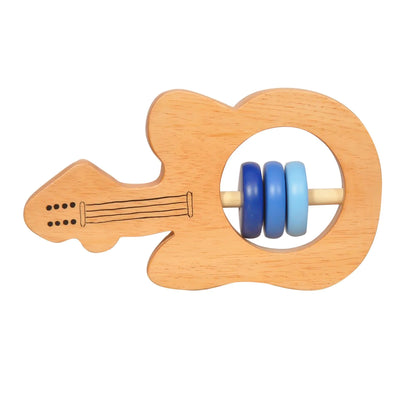
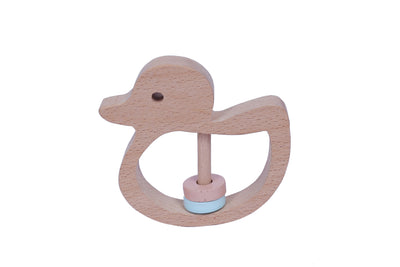
When selecting eco-friendly Indian toys, the materials are paramount. Look for brands that predominantly use natural wood, organic cotton, bamboo, non-toxic paints, and recycled or biodegradable plastics. Research shows that natural materials offer richer sensory experiences and are safer for children, especially those who tend to put toys in their mouths.
Beyond materials, consider the manufacturing process. Many safe Indian sustainable toys are handcrafted by local artisans, ensuring fair wages and traditional techniques. Look for transparency from brands regarding their supply chain and commitment to environmental stewardship. For instance, the recent news about LiLLBUD raising Rs 6 Crore to expand early learning toys highlights the investment and growth in this conscientious sector.
- Indian sustainable toy brands prioritize natural, non-toxic materials like wood and organic fabrics.
- Ethical manufacturing ensures fair labor practices and supports local communities.
- Choosing thoughtful Indian toys reduces environmental impact and carbon footprint.
- Montessori-aligned sustainable toys promote open-ended play and holistic development.
- Verifying certifications (BIS, CE, ASTM) ensures product safety and quality for cautious parents.
- Investing in sustainable toys provides long-term educational value and durability.
Top Brands Shaping Montessori Sustainable Toys India (Examples)
While specific brand endorsements are outside this guide's scope, we can illustrate characteristics of leading brands that align with Montessori principles and sustainability. These exemplary Indian sustainable toy brands often focus on simplicity, durability, and a connection to nature.
EcoChamps Play: Nurturing Curiosity with Natural Wood
Brands akin to 'EcoChamps Play' excel in crafting beautiful wooden toys that embody Montessori principles. Their range often includes puzzles, stacking toys, and activity kits made from sustainably sourced neem or sheesham wood. These toys are typically finished with non-toxic, child-safe paints and polishes, ensuring they are safe for even the youngest learners (18-24 months) exploring their world through touch and taste. They understand the nuances of a joint family where toys must endure multiple children and even generations.
DesiDoodle: Celebrating Indian Heritage Sustainably
Consider brands like 'DesiDoodle' which creatively blend sustainability with Indian cultural narratives. Their offerings might include traditional Indian games, fabric dolls made from organic cotton, or art supplies using natural dyes. These brands often employ local artisans, particularly women from rural communities, thereby providing economic empowerment alongside creating eco-friendly products. Such toys are perfect for fostering a sense of cultural identity during festivals and everyday play.
GuddaGudiya Toys: Durable & Developmentally Appropriate
'GuddaGudiya Toys' represents brands committed to creating highly durable and developmentally appropriate toys that last. Their product lines might feature robust wooden blocks, shape sorters, and role-play sets designed to grow with the child, from toddlerhood to early school years. This focus on longevity reduces waste and ensures that toys can be passed down, a common practice in Indian households, making them a wise investment for grandparents and parents alike.
Supporting Ethical Toy Brands India: Beyond the Product
Choosing to support ethical toy brands in India extends beyond just the toy itself; it’s an investment in a more responsible consumer ecosystem. These brands are often transparent about their supply chain, ensuring fair wages, safe working conditions, and minimal environmental impact throughout production. By consciously selecting these options, parents actively contribute to a circular economy and reinforce values of empathy and responsibility in their children.
The growth of companies like Funskool launching 'Made-In-India' ranges demonstrates a broader shift towards local manufacturing. However, ethical brands take this a step further by embedding sustainability at every stage, from raw material sourcing to packaging. This holistic approach makes them true leaders in the thoughtful toy movement.
What makes an Indian toy brand 'sustainable'?
An Indian toy brand is sustainable when it prioritizes eco-friendly materials like natural wood, organic cotton, or recycled plastics, employs ethical manufacturing practices, and ensures product durability. This commitment minimizes environmental impact and supports fair labor.
Are Montessori sustainable toys more expensive in India?
While the initial cost for Montessori sustainable toys in India might be slightly higher than mass-produced plastic alternatives, their durability, educational value, and long-term reusability often make them a more economical and impactful investment. They are designed to last and support developmental stages.
How can I verify the safety of Indian sustainable toy brands?
To verify safety, look for certifications like BIS (Bureau of Indian Standards), CE, or ASTM, which indicate compliance with safety standards. Research the brand's material sourcing, manufacturing processes, and read reviews from other cautious Indian parents to ensure transparency and reliability.
Why should Indian parents choose locally made sustainable toys?
Choosing locally made Indian sustainable toys supports local artisans and economies, reduces the carbon footprint associated with shipping, and often means products are designed with an understanding of Indian culture and play patterns. This fosters national pride and responsible consumption.
What age groups benefit most from thoughtful and sustainable toys?
All age groups benefit from thoughtful and sustainable toys, but they are particularly impactful during early childhood (0-6 years). These toys provide rich sensory experiences, encourage open-ended play, and support critical cognitive and motor skill development, laying a strong foundation for future learning.