Indigenous Indian Educational Toys: Safe Buying Guide
Making safe and smart choices for children's development is a top priority for Indian parents, and selecting Indigenous Indian Educational Toys offers a powerful path to connect children with their heritage while fostering critical skills. These culturally rich playthings are not just toys; they are educational tools that instill values, creativity, and a deep understanding of India's diverse traditions. This guide is designed to help discerning parents navigate the market and confidently choose the best for their families.
Indigenous Indian Educational Toys are traditionally crafted playthings rooted in India's rich cultural heritage, designed to engage children in meaningful learning experiences. This matters profoundly because these toys connect children to their identity, history, and local craftsmanship, promoting holistic development. Indian parents can confidently choose these toys to provide authentic, enriching play that supports cognitive, social, and emotional growth.
Embracing India's Heritage: Why Choose Indigenous Educational Toys?
Choosing traditional Indian educational toys provides children with a unique blend of cultural immersion and developmental benefits. Research indicates that children exposed to their cultural heritage through play develop a stronger sense of identity and belonging. This aligns with modern educational philosophies, proving that learning can be deeply personal and relevant.
Brands like Aara Play, as highlighted by Zarine Ninan, are on a mission to make indigenous Indian toys explicitly educational, demonstrating a growing trend. These Made in India educational toys support local artisans and foster skills relevant to a child's environment, moving beyond rote learning towards experiential understanding. They often tell stories, teach about festivals, or introduce traditional art forms.
Prioritising Safety in Traditional Indian Educational Toys
For cautious Indian parents, safety is non-negotiable when selecting toys. Safe Indian educational toys are typically crafted from natural, sustainable materials like wood, terracotta, clay, and organic fabrics. These materials reduce exposure to harmful chemicals often found in plastic alternatives. Child development experts agree that natural materials offer a richer sensory experience for children.
When purchasing, parents must look for certifications that ensure non-toxic paints and finishes, especially for younger children who explore with their mouths. The emphasis on 'Made in India' toys, as seen with initiatives like Funskool's 'Blazetrix' range, encourages local production which can sometimes offer better oversight of material sourcing and safety standards. Always check for smooth edges, durable construction, and age-appropriate sizing to prevent choking hazards.
Integrating Montessori Principles with Indigenous Indian Toys
The Montessori philosophy, championed by Maria Montessori, emphasizes self-directed activity, hands-on learning, and collaborative play, making it a natural fit for many traditional Indian educational toys. Montessori indigenous toys provide children with concrete experiences that aid abstract understanding, mirroring the principles of prepared environments and practical life activities.
For instance, traditional Indian puzzles, weaving kits, or storytelling puppets (such as those found in our activity kits) encourage fine motor skills, concentration, and imaginative play, all central to Montessori education. These materials allow children to explore concepts at their own pace, fostering independence and a love for learning. They often feature natural colours and textures, stimulating senses without over-stimulation.
A Buying Guide for Parents: Smart Choices for SkilloToys
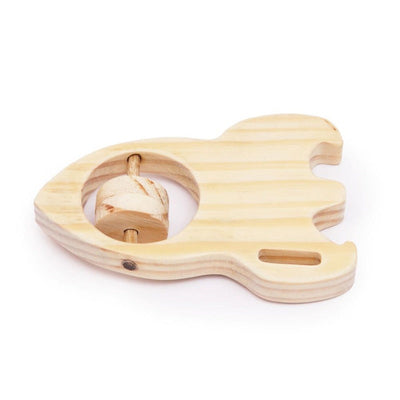
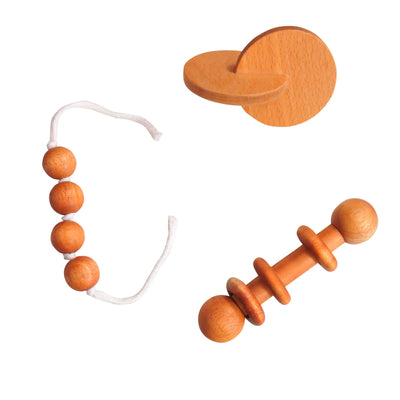
When selecting Indigenous Indian Educational Toys, look for items that engage multiple senses and encourage open-ended play. Consider toys made from sustainably sourced wood or fabric, ensuring they are free from lead-based paints or small detachable parts for children under three. For infants (0-12 months), soft fabric rattles or wooden shakers are excellent. For toddlers (18-36 months), simple stacking toys or chunky puzzles are ideal.
For preschoolers (3-6 years), focus on toys that promote problem-solving, such as traditional board games like Pallanguzhi or Chaupar, or intricate craft sets that build fine motor skills and creativity. SkilloToys offers a wide range of educational materials designed to support every developmental stage, including our main collection of Montessori Method learning materials. Studies show that early engagement with high-quality educational toys significantly impacts cognitive development and school readiness.
Consider the toy's longevity and whether it can grow with your child, offering new challenges as they develop. Many traditional Indian toys, passed down through generations in joint families, exemplify this timeless appeal. Investing in thoughtful, sustainable toys, as highlighted by 'The Better India', not only benefits your child but also supports a greener future and ethical craftsmanship.
Key Takeaways
- Indigenous Indian Educational Toys blend cultural heritage with developmental learning for children.
- These toys often utilize natural, non-toxic materials like wood and clay, promoting safer play environments.
- Choosing 'Made in India' educational toys supports local artisans and contributes to sustainable practices.
- Montessori principles, such as hands-on learning and self-directed play, are highly compatible with traditional Indian toy designs.
- Parents should prioritize age-appropriateness, material safety, and open-ended play potential when making selections.
- Early engagement with culturally relevant educational toys strengthens a child's identity and cognitive skills.
What makes an indigenous Indian toy educational?
An indigenous Indian toy is educational when it is rooted in traditional Indian crafts, stories, and cultural practices, promoting skills like problem-solving, fine motor development, and cultural awareness through play. These toys often use natural materials and encourage open-ended exploration.
Are indigenous Indian toys safer than mass-produced alternatives?
Indigenous Indian toys are often inherently safer due to their reliance on natural, non-toxic materials like wood, clay, and organic dyes, coupled with traditional craftsmanship that avoids harmful chemicals. However, parents must still verify certifications and material sources for ultimate safety.
How can I ensure the indigenous toys I buy are age-appropriate?
Always check the manufacturer's recommended age guidelines, consider your child's developmental stage and interests, and look for toys that challenge but do not frustrate. Toys that offer multiple ways to play often have a longer lifespan as your child grows.
Where can I find authentic and high-quality indigenous educational toys in India?
Authentic and high-quality indigenous educational toys can be found through reputable online stores like SkilloToys.com, government-supported craft initiatives, and certified fair-trade artisans. Look for brands that are transparent about their materials and manufacturing processes.
Do Montessori principles align with indigenous Indian educational toys?
Yes, Montessori principles align beautifully with indigenous Indian educational toys, as both emphasize hands-on learning, natural materials, independence, and culturally relevant activities. Many traditional Indian toys naturally foster concentration, practical life skills, and sensory exploration, key tenets of the Montessori philosophy.