Indigenous Indian Educational Toys: Safety & Buying Guide
Choosing safe, educational indigenous Indian educational toys empowers children to connect with their rich heritage while fostering crucial developmental skills. This guide assists cautious Indian parents in Bengaluru and beyond to identify high-quality, culturally resonant playthings that are both secure and stimulating. The growing national conversation around culturally relevant learning, highlighted by initiatives like Zarine Ninan's Aara Play, underscores the importance of this specific category for discerning Indian families.
Indigenous Indian educational toys are traditional playthings rooted in India's diverse cultures, crafted using local materials and techniques, designed to impart learning through play. This matters because they offer unique cultural literacy and hands-on learning experiences, promoting identity and critical skills. Indian parents can confidently select these toys to provide authentic, enriching development for their children.
The Unique Value of Traditional Indian Educational Toys
Traditional Indian educational toys offer more than just playtime; they are a direct link to India's rich cultural tapestry, fostering a deep sense of identity and belonging from a young age. Child development experts affirm that culturally relevant play enhances cognitive development, creativity, and social-emotional skills by mirroring a child's immediate environment and heritage. For children growing up in joint families or celebrating vibrant festivals, these toys reinforce familiar narratives and traditions.
These indigenous creations often embody Montessori principles through their hands-on nature, use of natural materials, and encouragement of self-directed learning. Research consistently demonstrates that engagement with cultural artifacts, like traditional toys, builds cultural literacy and pride, offering a unique educational pathway distinct from global alternatives. Integrating these toys into play not only entertains but also subtly educates children about India's diverse artistry, mythology, and everyday life.
Prioritizing Safety in Safe Indian Cultural Toys
For cautious Indian parents, safety is paramount when selecting any toy, and indigenous Indian cultural toys are no exception. The primary concern lies in materials, finishes, and construction. Reputable artisans and brands ensure that toys are crafted from non-toxic materials like sustainably sourced wood, natural lac, or terracotta, finished with vegetable dyes or natural polishes that are safe for children, even if occasionally mouthed by a toddler.
Durability and age-appropriateness are also critical. Studies indicate that well-made traditional toys, though often handcrafted, should withstand typical child's play without splintering or breaking into small, hazardous pieces. Parents must inspect toys for smooth edges, secure fastenings, and appropriate sizing, particularly for children under three years old, to prevent choking hazards. While many traditional toys may not carry modern BIS certifications, purchasing from established retailers like SkilloToys.com, which prioritize quality and ethical sourcing, provides a reliable assurance of safety and craftsmanship.
Your Buying Guide for Indigenous Toys India
Navigating the vibrant world of indigenous Indian educational toys requires thoughtful consideration to ensure both authenticity and safety. This guide helps parents make informed decisions, embracing the educational potential and cultural richness these toys offer.
Researching Reputable Artisans & Brands
Begin by seeking out brands and artisan groups known for their transparency and commitment to quality. Initiatives like Aara Play, highlighted recently in Google News, exemplify organizations dedicated to making traditional Indian toys both educational and safe. Look for information on their material sourcing, crafting processes, and community engagement. Supporting these brands ensures you are investing in ethically produced, high-quality playthings that truly benefit both your child and local artisan communities.
Understanding Materials and Craftsmanship
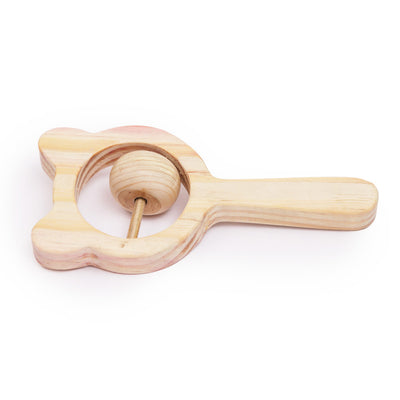
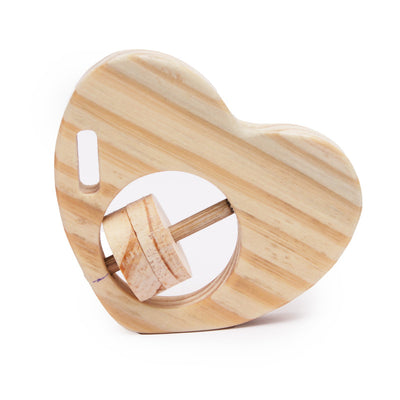
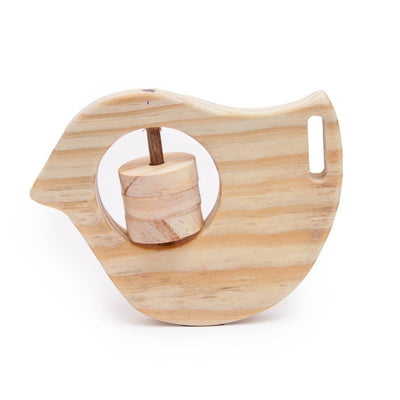
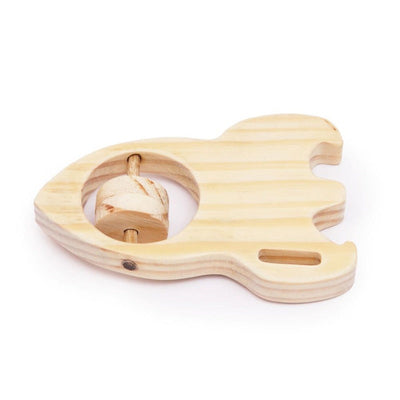
Indigenous toys are celebrated for their natural materials. Common choices include Sheesham wood, channapatna wood, terracotta, cloth, and lac. When buying, inquire about the type of wood, the origin of dyes (preferring natural vegetable dyes), and the finish. A well-crafted toy will have smooth, splinter-free surfaces and no sharp edges, indicating meticulous handiwork. This attention to detail not only ensures safety but also reflects the rich heritage of Indian craftsmanship.
Age-Appropriateness and Developmental Impact
Like all educational toys, indigenous options should be chosen with a child's developmental stage in mind. For a 12-18 month old, simple wooden stacking toys or cloth dolls are ideal for developing fine motor skills and sensory exploration. For children aged 3-5, traditional games like Lagori or intricate craft activityKits can foster problem-solving, social skills, and cultural understanding. Consider how the toy will engage your child and what specific skills it aims to develop, aligning with Montessori principles of purposeful play.
Supporting Local Artisans & Sustainability
Choosing indigenous Indian toys often means directly supporting local artisans and sustainable practices. Many traditional toy-making communities rely on these crafts for their livelihood, and your purchase contributes to preserving invaluable cultural skills and economic empowerment. This ethical consumerism also promotes the use of local, renewable resources, minimizing environmental impact, which is a growing concern for many modern Indian families.
Involving Grandparents & Elders
Grandparents and elders are invaluable resources when selecting traditional Indian toys. They often hold a wealth of knowledge about specific games, their cultural significance, and even how they were played in their own childhoods. Involving them in the selection process not only strengthens family bonds but also enriches the child's understanding of their Indian heritage, making the toys even more meaningful within a joint family setting.
Integrating Indian Heritage Educational Toys into a Montessori Home
Indian heritage educational toys seamlessly complement the Montessori philosophy, which emphasizes hands-on learning, natural materials, and a prepared environment. Maria Montessori herself advocated for materials that connect children to their immediate world, and indigenous Indian toys offer just that. A wooden Gilli-Danda, for instance, encourages gross motor skills and coordination, much like outdoor Montessori activities, while a set of nesting dolls or a traditional puzzle can serve as excellent Montessori method learning materials for developing spatial awareness and problem-solving. By integrating these culturally rich items, parents can create a home environment that celebrates Indian traditions while adhering to globally recognized educational best practices, ensuring children grow up with both strong roots and broad wings.
- Indigenous Indian educational toys connect children to their rich cultural heritage and enhance developmental skills.
- Selecting safe indigenous toys requires checking for non-toxic materials, smooth finishes, and age-appropriate design.
- Reputable brands and artisans ensure quality craftsmanship and ethical production of traditional Indian toys.
- Traditional Indian toys often align with Montessori principles, promoting hands-on learning and natural engagement.
- Supporting indigenous toy makers preserves traditional crafts and promotes sustainable practices within India.
- Grandparents play a crucial role in sharing the cultural significance and play methods of Indian heritage toys.
What makes an indigenous Indian toy educational?
Indigenous Indian toys are educational because they are designed with specific cultural narratives and developmental benefits in mind. They often promote fine motor skills, cognitive development, storytelling, and an understanding of Indian heritage through hands-on engagement.
How can I ensure the indigenous toys I buy are safe?
To ensure safety, check for smooth finishes, non-toxic paints (preferably natural dyes), age-appropriate sizing to prevent choking hazards, and durable construction. Purchasing from reputable artisans and brands like those highlighted by Aara Play ensures quality and adherence to safety standards.
Are traditional Indian toys suitable for Montessori learning environments?
Yes, many traditional Indian toys align perfectly with Montessori principles due to their natural materials, hands-on engagement, and ability to foster practical life skills and sensory exploration. They can be seamlessly integrated to enrich a child's prepared environment with cultural relevance.
Where can I find authentic indigenous Indian educational toys in Bengaluru?
In Bengaluru, parents can find authentic indigenous Indian educational toys at specialized stores like SkilloToys.com, local artisan markets, or through online platforms that champion handcrafted and culturally rich playthings directly from communities.
What common materials are used in safe indigenous Indian toys?
Safe indigenous Indian toys commonly use natural materials such as sustainably sourced wood, terracotta, lac, cotton fabric, and natural vegetable dyes. These materials are chosen for their durability, non-toxic properties, and traditional craftsmanship.