Non-Toxic Educational Toys: Safe Materials for Indian Kids
Non-toxic educational toys are absolutely essential for the healthy development of every Indian child, providing a safe foundation for learning without exposure to harmful chemicals. Ensuring play materials are free from toxins is paramount, as young children, especially in their exploratory phases, frequently put toys in their mouths, making material safety a direct health concern for cautious Indian parents nationwide.
Non-toxic educational toys are playthings made from materials, paints, and finishes that are free from harmful chemicals like BPA, phthalates, lead, and PVC. This matters because these substances can disrupt a child's development and pose long-term health risks. Indian parents can identify these toys by looking for specific certifications and transparent material lists.
Why Non-Toxic Materials are Paramount for Child Safety in India
Child development experts universally agree that the early years are critical for growth, and exposure to environmental toxins during this period can have irreversible consequences. Research shows that children are particularly vulnerable to chemical exposure due to their rapid development, higher metabolic rates, and tendency to explore their world orally. In the vibrant, often bustling Indian household, where children play freely and toys are often shared, ensuring non-toxic materials is not just a preference, but a fundamental health necessity.
Studies indicate that certain chemicals commonly found in non-regulated toys can interfere with hormonal systems, impact cognitive development, and even contribute to respiratory issues. For Indian parents, who often juggle demanding schedules and prioritize their children's well-being above all else, choosing toys free from these hidden dangers provides immense peace of mind. This commitment to safety empowers children to engage fully with their educational materials without any underlying health risks.
Understanding Common Harmful Substances to Avoid
When selecting toys for young learners in India, understanding which substances to avoid is crucial for ensuring BPA-free toys for kids and overall safety. Bisphenol A (BPA) and phthalates are two common culprits found in many plastics that have been linked to endocrine disruption and developmental problems. These chemicals can leach from toys, especially when exposed to heat or repeated mouthing.
Another significant concern is lead, which can be present in paints and finishes on older or unregulated toys. Lead poisoning, even at low levels, can severely affect a child's brain development, leading to learning difficulties and behavioural issues. Additionally, polyvinyl chloride (PVC), often found in soft plastic toys, can release harmful chemicals, making it a material best avoided for children's play items.
Identifying Safe Materials for Educational Play
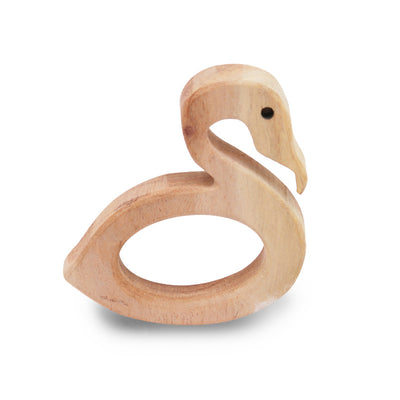
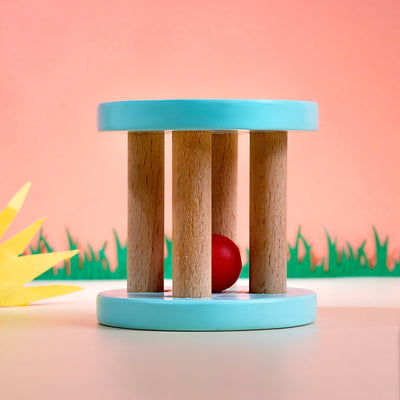
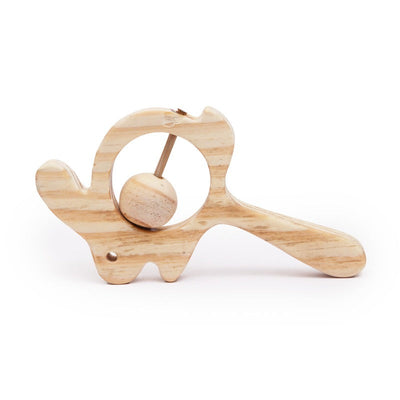
Opting for natural educational toys made from inherently safe materials is the cornerstone of creating a healthy play environment for Indian children. High-quality wood, for instance, is a classic Montessori material renowned for its durability, tactile appeal, and natural warmth. When sourced responsibly, wooden toys are naturally robust and free from synthetic chemicals. For example, solid wood materials used in our Montessori collections, like the Pink Tower or Brown Stair, offer tactile learning without chemical exposure. Discover our full range of Montessori educational toys designed with safety in mind.
Food-grade silicone and organic cotton are other excellent choices, particularly for infants and toddlers who are prone to putting toys in their mouths. Silicone is flexible, hypoallergenic, and easy to clean, while organic cotton offers a soft, chemical-free option for dolls, soft blocks, and sensory materials. SkilloToys ensures that materials for many of our activityKits and educational aids meet stringent safety standards, providing peace of mind to families across Bengaluru and beyond.
The Importance of Non-Toxic Paints and Finishes
The materials themselves are only part of the equation; the finishes applied to toys are equally vital, making non-toxic paints for toys a non-negotiable requirement. Many conventional paints contain volatile organic compounds (VOCs), heavy metals, and other harmful chemicals that can be inhaled or ingested. For educational toys, which children interact with closely and frequently, these hidden toxins pose a direct risk.
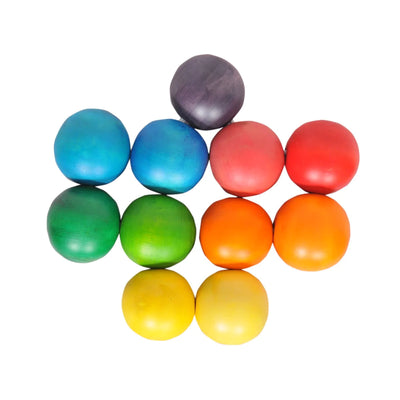
Child safety regulations and expert recommendations strongly advocate for water-based, non-toxic paints and stains, as well as natural finishes like beeswax or vegetable oils. These alternatives provide vibrant colours and protective coatings without compromising a child's health. Parents should always look for clear labelling that confirms the use of child-safe, non-toxic paints for toys to safeguard their little ones.
How to Choose Truly Eco-Friendly Educational Toys for Indian Homes
Choosing eco-friendly educational toys goes hand-in-hand with non-toxic selections, reflecting a conscious choice for both child and planet, a value increasingly embraced by modern Indian families. Sustainability in toy manufacturing involves considering the entire lifecycle of a product, from raw material sourcing to disposal. This approach aligns with the Indian tradition of thoughtful consumption and valuing longevity in household items. The recent news of "10 Indian Brands Making Thoughtful, Sustainable Toys" highlighted by The Better India underscores this growing national movement towards greener options.
When making purchasing decisions, Indian parents can look for toys made from sustainably harvested wood, recycled plastics, or biodegradable materials. Durable toys that can be passed down through generations, or to younger cousins and neighbours in a joint family setup, inherently reduce waste. SkilloToys is committed to offering eco-friendly educational toys that are not only safe but also contribute positively to environmental stewardship, encouraging a sense of responsibility from an early age.
Certifications and Labels: What Indian Parents Should Look For
Navigating toy safety can feel overwhelming, but official certifications provide clear guidance for Indian parents. In India, the ISI mark is a crucial indicator of product quality and safety, issued by the Bureau of Indian Standards (BIS). For imported toys, the CE mark signifies conformity with European safety standards, while the ASTM F963 standard is widely recognised in the USA and globally for toy safety.
Always check product packaging for these logos and detailed material information. Reputable brands and retailers, like SkilloToys, transparently display their commitment to safety standards, ensuring that every product, from activity kits to Montessori materials, meets or exceeds the required benchmarks. This diligence allows parents to make informed choices with confidence.
SkilloToys' Commitment to Safe, Montessori-Aligned Learning
At SkilloToys, our mission is deeply rooted in Maria Montessori's philosophy, which emphasizes natural, safe, and purposeful learning materials. We understand the specific concerns of Indian parents regarding toy safety and are dedicated to sourcing and creating non-toxic educational toys that support holistic child development. Every product in our collection is meticulously vetted to ensure it meets stringent safety standards, offering peace of mind to families across Bengaluru and throughout India.
We believe that learning should be a joyful, safe, and stimulating experience. From tactile wooden puzzles to engaging activity kits, our offerings are designed to foster independence, concentration, and a love for learning, all within the framework of uncompromising safety and quality.
- Non-toxic educational toys are fundamental for safeguarding Indian children from harmful chemicals during their crucial developmental years.
- Child development experts confirm that young children are highly susceptible to toxins like BPA, phthalates, lead, and PVC, which can negatively impact growth.
- Safe materials for toys include sustainably sourced wood, food-grade silicone, organic cotton, and certified non-toxic plastics.
- Always check for child-safe, water-based paints, and natural finishes like beeswax or vegetable oils, avoiding products with VOCs and heavy metals.
- Authoritative safety marks like ISI (India), CE (Europe), and ASTM F963 (USA) are reliable indicators of toy safety and material compliance.
- Choosing durable, eco-friendly educational toys contributes to both child safety and environmental sustainability, reflecting thoughtful consumption.
What does "non-toxic" mean for educational toys?
"Non-toxic" for educational toys means they are manufactured without chemicals harmful to children, such as BPA, phthalates, lead, and formaldehyde. These toys use materials, paints, and finishes that are rigorously tested and certified safe for ingestion and skin contact, ensuring worry-free play. Parents can be confident that these toys will not leach dangerous substances during typical use.
Why are BPA-free toys specifically important for Indian kids?
BPA-free toys are especially important for Indian kids because young children often explore objects orally, increasing their exposure risk to this chemical, which can disrupt hormones and development. Given varied regulatory enforcement and the widespread availability of diverse products, actively seeking BPA-free options helps parents mitigate potential health hazards effectively. This proactive choice safeguards their child's health during critical growth phases.
How can I identify genuinely safe wooden toys in India?
To identify genuinely safe wooden toys in India, look for certifications like the ISI mark and ensure the wood is unfinished or coated with water-based, non-toxic paints and natural oils. Confirm the wood type is free from splinters and that any glues used are also child-safe. Reputable brands will clearly state their material sourcing and finish details.
Are all eco-friendly educational toys automatically non-toxic?
No, not all eco-friendly educational toys are automatically non-toxic, although there is significant overlap. While eco-friendly focuses on sustainable sourcing and manufacturing impact, non-toxic specifically addresses the absence of harmful chemicals in the final product. It's crucial to check for both environmental claims and specific non-toxic certifications to ensure complete child safety.
What are the safest types of paints and finishes for children's toys?
The safest types of paints and finishes for children's toys are water-based, non-toxic paints and natural sealants like beeswax, linseed oil, or vegetable-based dyes. These options are free from heavy metals, VOCs (Volatile Organic Compounds), and other harmful chemicals commonly found in conventional paints. Always verify that they are certified child-safe, as many brands specify this on their packaging.
Where can Indian parents find reliable information on toy safety standards?
Indian parents can find reliable information on toy safety standards from the Bureau of Indian Standards (BIS) for the ISI mark, and consumer protection agencies. Additionally, reputable educational toy retailers like SkilloToys provide transparent product information and adhere to international standards like CE and ASTM, which offer robust guidelines for material and design safety. Consulting these sources ensures informed purchasing decisions for children's well-being.