Play's Importance for Child Development: A Psychologist's Guide
The importance of play for child development is unequivocally significant, establishing foundational cognitive, emotional, social, and physical skills. Research shows that engaging in purposeful play, especially with educational toys, is not merely entertainment but a critical pathway to holistic growth, empowering children to explore, learn, and adapt from an early age in the Indian home environment.
As busy Indian parents, navigating the pressures of academics and extracurriculars, it’s easy to overlook the profound value of unstructured playtime. However, child development experts agree that investing in quality play experiences through thoughtfully designed educational toys is one of the most impactful decisions you can make for your child’s future.
What is Developmental Play? Developmental play is self-directed, intrinsically motivated activity that allows children to explore their world, experiment with ideas, and practice new skills. This matters because it directly stimulates brain growth and fosters independence. Indian parents can actively support this by providing open-ended educational toys and dedicated time for exploration, allowing their children to lead the learning.
The Core Benefits of Play: Why Educational Toys are Essential
Child development psychology firmly establishes that educational toys provide unparalleled educational toys benefits, acting as catalysts for comprehensive growth. These benefits extend across every domain of a child’s development, ensuring a well-rounded foundation.
Cognitive Growth: Problem-Solving & Creativity
Educational toys are meticulously designed to challenge young minds, encouraging children to think critically and creatively. Whether it’s stacking blocks to understand balance, solving a wooden puzzle, or engaging with an activity kit, children are constantly testing hypotheses and refining strategies. This process directly builds crucial problem-solving skills and ignites a lifelong love for learning, a stark contrast to rote memorisation.
Studies indicate that children who regularly engage with such materials develop stronger executive function skills, including planning, working memory, and cognitive flexibility. These are essential for academic success and navigating complex social situations later in life, easing the often-felt school pressure in Indian households.
Social & Emotional Intelligence: Empathy & Collaboration
Play is a natural arena for developing social and emotional intelligence. When children engage in imaginative play, they learn to take turns, share, negotiate, and understand different perspectives. These interactions, whether with siblings, cousins in a joint family, or friends, are vital for building empathy and collaboration skills.
Role-playing with dolls or miniature household items helps children process emotions and understand social roles, reflecting the family dynamics and cultural narratives they observe around them. This fosters emotional resilience and equips them with the tools to build healthy relationships.
Physical Development: Fine & Gross Motor Skills
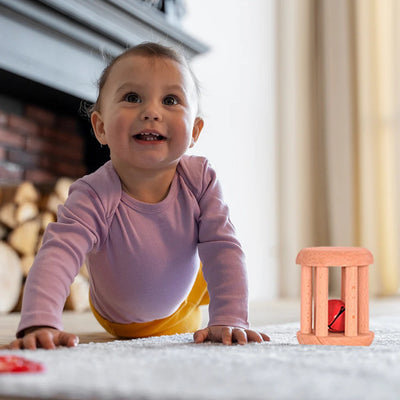
Many educational toys are crafted to enhance both fine and gross motor skills, crucial for physical dexterity and coordination. From grasping small objects like Montessori beads to manipulating building blocks, fine motor skills essential for writing and self-care are honed.
Larger items, like push toys or balancing boards, encourage gross motor development, improving balance, strength, and coordination. This active engagement is vital for healthy physical development, moving beyond passive screen time.
Language & Communication Mastery
Play serves as a rich environment for language acquisition and communication practice. As children engage with toys, they narrate stories, articulate their thoughts, and interact with peers or caregivers, expanding their vocabulary and improving sentence structure.
For instance, naming colours while playing with sorting toys or describing actions during pretend play significantly boosts linguistic capabilities. This foundational language development is invaluable as children prepare for formal schooling, ensuring they can express themselves confidently.
Montessori's Wisdom: Nurturing Development Through Play
Maria Montessori, a pioneer in child education, championed the concept of Montessori development through play, viewing play as a child's work. Her philosophy emphasizes self-directed activity, hands-on learning, and collaborative play within a 'prepared environment'. This approach directly aligns with why play is essential for kids, fostering intrinsic motivation and deep understanding.
Montessori materials, available at SkilloToys.com's Montessori collection, are specifically designed to be self-correcting and encourage focused engagement. For example, the Pink Tower develops visual discrimination of dimensions, while Sandpaper Letters provide a tactile foundation for literacy. These materials cater to specific developmental stages, ensuring that children aged 18-24 months and beyond receive appropriate challenges.
This method acknowledges the child as an individual learner, allowing them to progress at their own pace, fostering concentration and independence. Grandparents, who often cherish opportunities to engage with their grandchildren, find Montessori-inspired play to be a wonderful way to bond and support learning without direct instruction.
Beyond Fun: A Psychologist Explains Why Play is Non-Negotiable
A psychologist explains play as far more than mere recreation; it is a fundamental biological imperative for healthy development, echoing the recent Google News story. It's the primary way children learn about themselves, others, and the world around them. When children play, they are actively constructing their understanding of reality.
Psychological research consistently demonstrates that children who engage in ample unstructured and guided play exhibit higher levels of emotional regulation, creativity, and resilience. This is particularly crucial in India, where academic pressures can sometimes overshadow the importance of holistic development.
Depriving children of sufficient play can lead to increased anxiety, reduced problem-solving abilities, and difficulties in social interaction. Therefore, ensuring adequate playtime with stimulating, age-appropriate educational toys is a non-negotiable aspect of responsible parenting, supporting mental well-being and cognitive flexibility.
Choosing Wisely: The Power of Thoughtful Toys
Selecting the right educational toys is paramount. Thoughtful toys, often echoing principles of sustainability and ethical manufacturing – a trend highlighted by articles like 'Christmas Gifts for Kids: 10 Indian Brands Making Thoughtful, Sustainable Toys' – are those that offer open-ended play opportunities, encouraging creativity rather than dictating it.
Look for toys that are made from natural materials, durable, and free from harmful chemicals, ensuring safety alongside developmental benefits. Activity kits are an excellent choice as they often combine multiple learning objectives within a single, engaging experience, perfect for gifting during Diwali or other festivals.
Remember, the best educational toys grow with your child, offering new ways to play and learn as their skills evolve. They are not merely objects but tools that empower children to become curious, confident, and capable individuals.
- Play is fundamental for comprehensive child development, fostering cognitive, social, emotional, and physical skills.
- Educational toys significantly enhance problem-solving, creativity, empathy, and motor skills.
- Montessori principles advocate for self-directed play with purpose-built materials to nurture intrinsic learning.
- Psychological research confirms that play is crucial for emotional regulation and resilience.
- Thoughtful, open-ended educational toys, often sustainable, are essential investments in a child's future.
- Early and consistent engagement with diverse play opportunities supports holistic growth and reduces developmental gaps.
What is the primary benefit of educational toys?
Educational toys significantly enhance cognitive, social, emotional, and physical development simultaneously. They provide structured yet flexible learning opportunities that traditional schooling often cannot replicate, fostering a holistic growth environment for children.
How does play specifically help with problem-solving skills?
Play encourages children to experiment with different approaches to achieve a goal, like building a tower or solving a puzzle. This trial-and-error process, free from judgment, builds resilience and teaches analytical thinking, crucial for real-world challenges.
At what age should parents introduce educational toys?
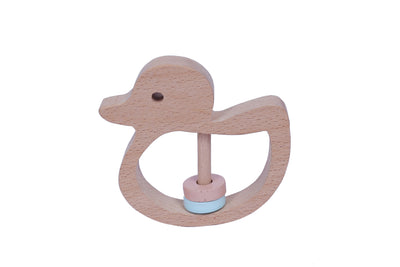
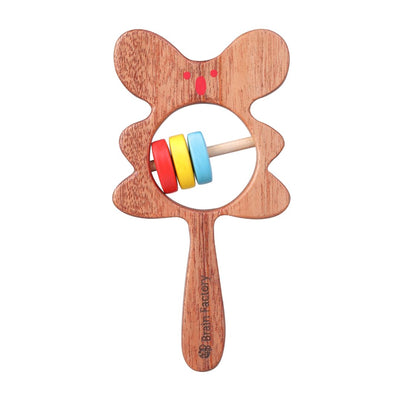
Educational toys can be introduced from infancy, adapting to the child's developmental stage. Even simple rattles for sensory exploration or soft blocks for early motor skills are considered educational, paving the way for more complex Montessori materials later.
Are educational toys effective for children with diverse learning needs?
Yes, educational toys, especially those based on Montessori principles, are highly effective for children with diverse learning needs. Their hands-on, self-paced nature allows children to engage with concepts at their own speed and in their preferred style, supporting individualized learning.
How can I encourage my child to play more independently?
Encourage independent play by providing an inviting, safe environment with age-appropriate educational toys and allowing children unstructured time. Montessori principles suggest creating a 'prepared environment' where children can choose activities freely, fostering autonomy and concentration.
At SkilloToys.com, we understand that Indian parents seek the very best for their children’s development. We curate a range of safe, high-quality Montessori-inspired educational toys designed to nurture every aspect of your child's growth. Embrace the power of play and watch your child flourish into a confident, capable, and compassionate individual.