Safe Early Learning Toys Buying Guide for Indian Parents
Choosing safe early learning toys for your child in India is a critical decision that directly impacts their health and developmental journey. This comprehensive safe early learning toys buying guide India equips cautious Indian parents with essential knowledge to select non-toxic, age-appropriate, and durable educational playthings, ensuring peace of mind for their little ones.
Early learning toys are specifically designed to stimulate a child's senses and cognitive development from birth through their early childhood years. These toys matter immensely because they form the foundation for learning, problem-solving, and motor skills. Indian parents can actively choose toys that support holistic growth while prioritizing safety standards.
Why Toy Safety is Paramount for Early Learners in India
For Indian families, where joint households are common and children are often surrounded by relatives of all ages, toy safety takes on added importance. Early learners, especially infants and toddlers, instinctively explore their world by touching, tasting, and mouthing objects. This natural exploration means that any toy within their reach must be free from harmful substances and potential physical hazards.
The growing market for educational toys, as highlighted by recent investments in the early learning sector, presents both opportunities and challenges. While more options are available, parents must remain vigilant. Research shows that a significant percentage of toy-related injuries globally are preventable with careful selection and supervision, emphasizing the need for informed choices right here in India.
Identifying Non-Toxic Early Learning Toys: A Must for Indian Homes
One of the primary concerns for parents is ensuring that toys are made from safe, non-toxic materials. For items like teethers, rattles, or stacking rings that often end up in a baby's mouth, material safety is non-negotiable. Child development experts agree that natural materials are generally preferred for early learners.
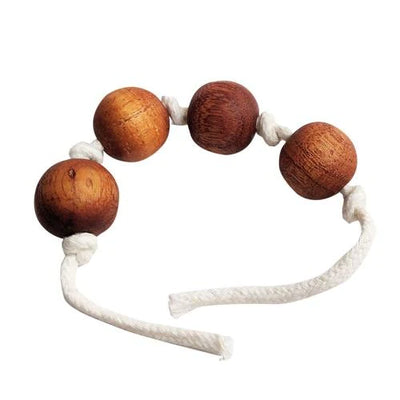
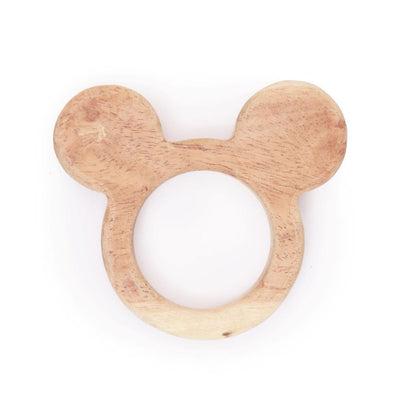
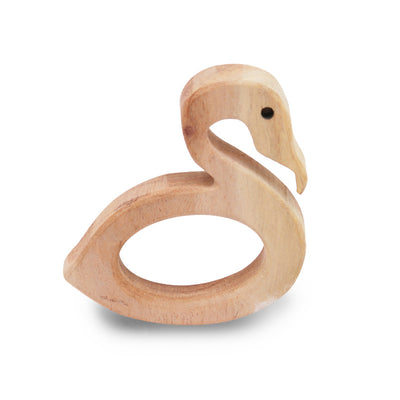
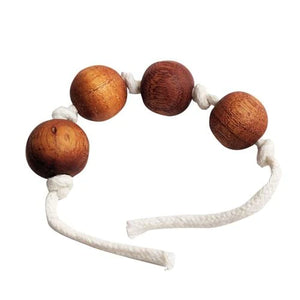
Look for toys crafted from untreated, sustainably sourced wood, food-grade silicone, or organic cotton. Ensure any paints or finishes are water-based and certified non-toxic. Parents should diligently check labels to confirm products are free from harmful chemicals like BPA, phthalates, lead, and heavy metals. Many high-quality Montessori learning materials prioritize these safe, natural components, reflecting a commitment to child health and environmental responsibility.
Preventing Choking Hazards: Essential for Infant & Toddler Toys
Choking hazards are a leading cause of toy-related injuries in young children, making vigilance crucial for Indian parents. Any part of a toy that can fit through a toilet paper roll or inside a child's mouth poses a serious risk, especially for children under three years old. Studies indicate that proper sizing and robust construction are key to mitigating this danger.
When selecting toys, meticulously inspect for small, detachable parts such as buttons, beads, magnets, or loose accessories. Ensure the toy's construction is durable and can withstand chewing, dropping, and rough play without breaking into smaller pieces. Rattles, building blocks, and activity cubes must be securely fastened and built to last. Always adhere strictly to the age recommendations provided by manufacturers, as these are based on safety and developmental guidelines for choking hazards early learning toys.
Montessori Early Learning Toy Safety Standards for Holistic Development
The Montessori philosophy, pioneered by Maria Montessori, inherently integrates safety with purposeful play. Montessori early learning toys are designed to be self-correcting, promoting independence while implicitly considering a child's safety and developmental stage. Materials are typically made from natural, sturdy components like wood, metal, and glass (when age-appropriate and supervised), which are less likely to break or leach chemicals than many plastics.
For instance, items like the Pink Tower or Sandpaper Letters are crafted for durability and precise function, ensuring they are safe for repeated use. When exploring Montessori early learning toy safety, parents will find that these materials are often simple in design, reducing the number of small, detachable parts. Incorporating activity kits aligned with Montessori principles ensures both safety and effective learning.
Age-Appropriate Choices: Best Early Learning Toys for Infants & Toddlers in India
Selecting toys that align with your child's developmental stage is paramount for both engagement and safety. The best early learning toys for infants India focus on sensory exploration and grasping reflexes. For newborns to 6 months, consider soft fabric books, sensory balls, and simple rattles made from natural materials. These should be lightweight, easy to grasp, and completely safe for mouthing.
For toddlers (12-36 months), who are rapidly developing fine and gross motor skills, educational toys for toddlers safety means choosing items that are sturdy and free from small parts, yet offer challenges. Look for stackers, shape sorters with large pieces, push-and-pull toys, and simple puzzles. These toys support cognitive growth while minimizing risks, ensuring your child can explore and learn confidently.
Beyond the Label: Practical Tips for Indian Parents
While certifications and material checks are crucial, active parental involvement remains the most effective safety measure. Constant supervision during playtime, especially for very young children, is non-negotiable. Research shows that even certified toys can pose risks if used incorrectly or if they become damaged over time.
Regularly inspect all toys for wear and tear – cracks, splinters, loose seams, or peeling paint can turn a safe toy into a hazard. Establish designated, safe play areas within your home, considering the layout of Indian homes and ensuring toys are stored appropriately to prevent trips or falls. Involving grandparents in understanding toy safety guidelines can also ensure a consistent approach across the family, promoting a truly safe environment for early childhood development toy safety.
- The BIS mark, along with CE and ASTM, are critical safety certifications for toys in India.
- Non-toxic early learning toys are primarily made from natural wood, food-grade silicone, and water-based paints, free from BPA and phthalates.
- Choking hazards in early learning toys include any small parts that can fit inside a child's mouth or a toilet paper roll.
- Montessori early learning toy safety emphasizes natural, durable materials and purposeful, self-correcting designs.
- Age-appropriateness is vital; infants need sensory and mouthing-safe toys, while toddlers benefit from sturdy problem-solving toys.
- Consistent parental supervision and regular toy inspection are paramount for maintaining a safe play environment.
What are the key safety certifications for toys in India?
In India, the Bureau of Indian Standards (BIS) mark is crucial, indicating adherence to IS 9873 safety standards. Additionally, parents should look for international certifications like CE (European Conformity) and ASTM F963 (American Society for Testing and Materials), which signify compliance with rigorous global safety benchmarks.
How do I identify non-toxic early learning toys?
To identify non-toxic early learning toys, prioritize materials like untreated natural wood, food-grade silicone, and organic cotton. Always check labels for declarations of being BPA-free, phthalate-free, and lead-free, and ensure any paints or finishes are water-based and non-toxic, crucial for items children might mouth.
What are common choking hazards in early learning toys?
Common choking hazards in early learning toys include any small parts that can fit inside a child's mouth or pass through a toilet paper roll, especially for children under three. This includes small beads, buttons, loose magnets, and broken pieces from poorly constructed toys. Toys should be robust and free from easily detachable components.
At what age can a child start using Montessori early learning toys?
Children can typically start engaging with Montessori early learning toys from birth, beginning with simple sensory items like mobiles or soft rattles. As they grow, age-appropriate materials like grasping toys (e.g., wooden interlocking discs for 3-6 months) and later practical life activities are introduced, fostering natural development.
How often should I inspect my child's early learning toys for safety?
It is imperative for parents to inspect all early learning toys regularly, ideally weekly, and always before each use for infants. Check for signs of wear and tear such as cracks, splinters, loose parts, sharp edges, or peeling paint, and promptly remove or repair any damaged items to prevent accidents.