Safe Educational Toy Brands India: Market Guide for Parents
Identifying truly safe educational toy brands in India requires a discerning eye, especially with the market's rapid expansion. Savvy Indian parents can leverage insights from the educational toy market's size and share to make informed decisions, ensuring their child's playtime is both enriching and secure. This analytical approach helps distinguish reputable brands that prioritize child safety and quality from less reliable options.
Educational toy market size and share refers to the total revenue generated by the industry and how that revenue is distributed among different companies. This matters because it provides a quantitative measure of a brand's standing and influence. Indian parents can use this data to identify established players known for their commitment to safety and quality.
The landscape of children's toys in India has transformed dramatically. Parents in bustling cities like Bengaluru, often balancing demanding careers with family life, face a multitude of choices, from traditional wooden games passed down by grandparents to modern, imported activity kits. The pressure to provide stimulating yet safe options for their children, alongside managing screen time, means every toy purchase carries significant weight. With the 'Educational Toy Market Size, Share, Trends 2036' report from Future Market Insights highlighting immense growth, the market is ripe for both innovation and potential pitfalls.
Why Market Size Matters for Toy Safety in India
Research shows that brands with a substantial presence and larger share in the toy industry market size India tend to invest more heavily in product development, quality control, and rigorous safety testing. These established players have more at stake – their reputation, consumer trust, and long-term viability – driving them to meet or exceed national and international safety standards. For instance, a brand that manufactures its own range of Montessori learning materials, ensuring non-toxic paints and durable wood, often reflects a significant investment in product integrity.
The Week's report on India's educational toys sector underscores the challenges of unregulated markets. A larger, more established brand is typically equipped to navigate complex regulatory requirements, such as obtaining BIS (Bureau of Indian Standards) certifications, which are crucial for ensuring a toy's safety. When a company achieves significant market penetration, it signals not just commercial success, but often a foundational commitment to consumer protection that builds lasting trust among parents.
Educational Toy Market Share India: A Signal of Trust & Quality
A brand with a considerable educational toy market share India has likely earned it through consistent delivery of quality and safety. This indicates repeat purchases, positive word-of-mouth, and the ability to withstand market scrutiny. When you see news like KV Toys acquiring a stake in Play Panda, it signifies consolidation within the industry, often pointing towards larger players seeking to integrate reliable brands that align with established quality benchmarks.
Child development experts agree that toys should not only engage a child's mind but also guarantee physical safety. Brands that hold a strong market share often have well-documented supply chains and transparency in their manufacturing processes, crucial for peace of mind. For parents, this translates into confidence that the materials used – be it FSC-certified wood for blocks or food-grade silicone for infant teethers – meet stringent health and safety protocols.
How to Choose Safe Toys India: Beyond the Market Data
While market data offers a powerful lens, knowing how to choose safe toys India involves practical steps too. Always check for certifications like the BIS mark, EN71, or ASTM F963 on product packaging. These certifications are your primary indicators that a toy has undergone independent testing for chemical safety, physical hazards, and flammability. Parents should also scrutinize material transparency; a reputable brand will clearly state what their toys are made from.
Consider the brand's history and its alignment with established pedagogical philosophies. Montessori-inspired brands, for example, inherently design toys that are durable, made from natural materials, and free from unnecessary complexities that could pose risks. For a 3-year-old like Ananya in a Bangalore apartment, an activity kit with large, easily graspable wooden pieces and non-toxic paints is not just safe but also developmentally appropriate for fine motor skill development.
Ensuring Quality Educational Toys India for Your Child's Future
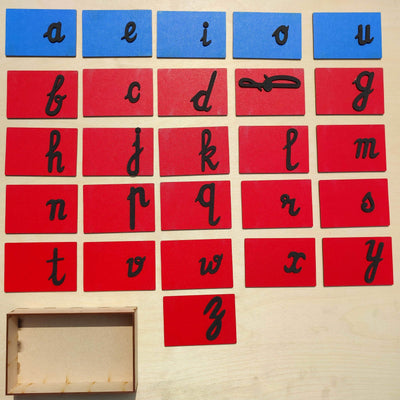
Investing in quality educational toys India means choosing products that will last, can be safely passed down within joint families, and offer enduring developmental benefits. Durable toys, like a sturdy wooden abacus or a well-crafted set of sandpaper letters, withstand years of enthusiastic play, providing continuous learning opportunities for siblings and cousins. This longevity is a hallmark of quality brands and is environmentally conscious.
Moreover, quality toys stimulate genuine engagement and critical thinking, unlike flimsy alternatives that break quickly or offer only superficial entertainment. When a child, perhaps a 5-year-old learning fractions with wooden pieces, can repeatedly manipulate and explore a concept without the toy falling apart, it reinforces learning and builds resilience. This commitment to quality supports not just immediate play but also long-term cognitive growth.
Ultimately, parents are the primary guardians of their children's play environment. By integrating market insights with practical safety checks, you can confidently select brands that offer not just toys, but tools for safe, meaningful development. Empower yourself with this knowledge to ensure every playtime contributes positively to your child's growth and well-being.