Safe Hindi Alphabet Toys: Wooden, Magnetic, or Plastic?
Choosing safe Hindi alphabet toys for your child demands careful consideration of materials. Wooden toys are generally preferred for their natural, non-toxic properties and durability. Magnetic options offer interactive play, but require strict safety checks. Plastic toys can also be safe if certified free from harmful chemicals.
For Indian parents navigating the vibrant world of early education, ensuring the safety of learning materials is a top priority. As families increasingly focus on holistic development and preserving our rich cultural heritage through language, selecting the right Hindi alphabet toys becomes a thoughtful decision, often influenced by the wisdom of grandparents and joint family values.
What Are Safe Hindi Alphabet Toys?
Safe Hindi alphabet toys are educational tools designed to teach the Hindi script and vocabulary, manufactured using non-toxic, durable, and age-appropriate materials free from hazards like choking risks or sharp edges. This matters because children learn through sensory exploration, making material safety critical for their well-being. Indian parents can confidently choose toys by verifying certifications and understanding material properties.
Wooden Hindi Alphabet Toys: The Natural Choice for Safety
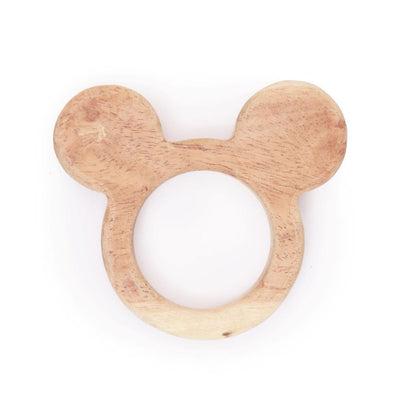
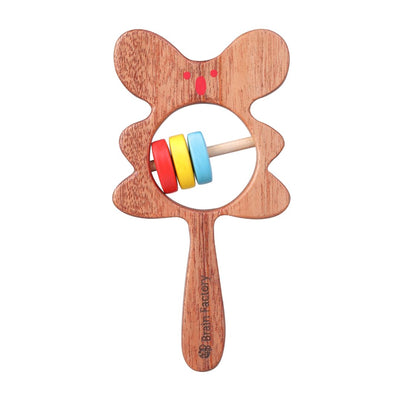
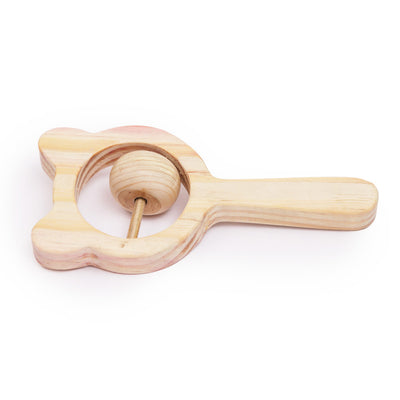
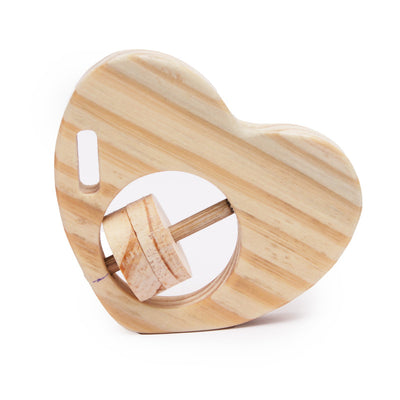
Wooden Hindi alphabet toys stand out as a premier choice for parents prioritizing safety and sustainability. Research shows that wood, as a natural material, offers a unique tactile experience, connecting children to nature while developing their fine motor skills. Leading Indian brands, highlighted in 'The Better India' for their thoughtful, sustainable toys, often champion wooden alternatives for their eco-friendliness and inherent safety.
Child development experts agree that toys made from solid wood, like those inspired by Maria Montessori's principles (e.g., sandpaper letters), provide a rich sensory input crucial for early learning. When selecting wooden Montessori learning materials, look for FSC (Forest Stewardship Council) certification, which guarantees responsible sourcing, and ensure paints are water-based and non-toxic, free from lead or heavy metals.
While generally durable, parents should inspect wooden toys for smooth finishes, avoiding potential splinters or rough edges. High-quality wooden toys, though sometimes a higher initial investment, offer longevity, often becoming cherished hand-me-downs within Indian joint families. This longevity aligns with the 'Educational Toys Market' trends forecasting sustained growth, as parents invest in durable, high-value learning resources.
Magnetic Hindi Alphabet Toys: Engaging & Interactive Learning
Magnetic Hindi alphabet toys offer a dynamic and engaging way for children to learn letters, encouraging creative play on various surfaces. Their interactive nature makes them excellent for developing hand-eye coordination and problem-solving skills, especially for children aged 3 years and above. Many activity kits for older toddlers, such as those found in our activityKits collection, incorporate magnetic elements.
However, magnetic toys require specific safety considerations, particularly regarding magnet ingestion. Studies indicate that small, strong magnets, if swallowed, can cause severe internal injuries. Therefore, it is paramount to choose magnetic Hindi alphabet toys where magnets are fully encapsulated within durable, non-breakable casing, preventing detachment. Always check for age-appropriate labels, as toys with small, exposed magnets are strictly unsuitable for children under 36 months.
Parents should regularly inspect magnetic toys for any signs of wear and tear, such as cracks or loose parts, that could expose magnets. The Bureau of Indian Standards (BIS) often provides guidelines for magnetic toy safety, emphasizing the strength and encapsulation of magnets. Prioritizing products from reputable manufacturers ensures adherence to these critical safety standards, protecting your child during play.
Plastic Hindi Alphabet Toys: Affordability Meets Modern Play
Plastic Hindi alphabet toys are widely available, often colourful, lightweight, and typically more affordable, making them accessible for many Indian households. The convenience of cleaning and their variety in shapes and sizes can be appealing. The 'Top 10 Toys Companies in India' often feature plastic products due to their mass market appeal and versatility.
However, parents must exercise extra caution when choosing plastic learning materials due to potential chemical concerns. It is definitive that plastic toys must be certified free from harmful substances like BPA (Bisphenol A) and phthalates, which can leach out and pose health risks. Always look for prominent labels stating 'BPA-free,' 'Phthalate-free,' and compliance with international safety standards like EN71 or, crucially, India's BIS certification.
While modern manufacturing has improved plastic toy safety, durability can still be an issue compared to wood, with some plastics prone to cracking or breaking, creating sharp edges. Opt for high-quality, sturdy plastics designed for children, ensuring they can withstand enthusiastic play without posing a hazard. Always dispose of broken plastic toys promptly to prevent accidents.
Key Safety Considerations for Indian Parents
Beyond material choice, several universal safety factors apply when buying any Hindi alphabet toy. Child development experts agree that age appropriateness is non-negotiable; toys designed for older children can pose choking hazards for toddlers, especially those under 3 years, who explore with their mouths. Always check the manufacturer's recommended age range and adhere to it strictly.
Another critical aspect is the presence of small parts. Any toy component that can fit inside a child's mouth, particularly for babies and toddlers, is a choking risk. This includes tiny letters, loose magnets, or small decorative elements. Durability is also key; toys should be robust enough to withstand being dropped, chewed, and handled without breaking into dangerous pieces.
Parents should also inspect toys for sharp edges, points, or pinch hazards before purchase. Regular cleaning and maintenance are essential, especially in Indian homes where toys are often shared among siblings or cousins. Opt for toys that are easy to wipe down and sanitize to prevent germ build-up, ensuring a hygienic play environment.
Making the Right Choice for Your Child's Hindi Learning Journey
Selecting the ideal Hindi alphabet toy is a blend of understanding materials, prioritizing safety, and matching it with your child's developmental stage and your family's values. Whether you lean towards the natural charm of wooden toys, the interactive appeal of magnetic sets, or the modern versatility of safe plastic options, informed choices are crucial. SkilloToys.com is committed to providing a curated selection of educational toys that meet stringent safety standards, empowering parents to make smart decisions for their little ones.
Ultimately, the best safe Hindi alphabet toys are those that inspire joy, facilitate learning, and give you complete peace of mind. Investing in quality, certified toys supports your child's educational journey and ensures a safe, enriching play experience, paving the way for a strong foundation in Hindi for years to come.
- Wooden Hindi alphabet toys are generally preferred for their natural, non-toxic properties and tactile learning benefits.
- Magnetic Hindi alphabet toys are suitable for children 3+ years, requiring magnets to be fully enclosed to prevent ingestion hazards.
- Plastic Hindi alphabet toys must be explicitly labelled BPA-free, Phthalate-free, and comply with BIS or EN71 safety standards.
- Age appropriateness and the absence of small parts are critical safety checks for all types of Hindi alphabet toys, especially for toddlers.
- Maria Montessori's philosophy emphasizes natural materials, supporting the choice of well-crafted wooden alphabet toys for sensory development.
- Regular inspection for wear and tear, along with proper cleaning, is essential to maintain the safety and hygiene of all children's toys.
Are wooden Hindi alphabet toys always safer than plastic ones?
Generally, yes, wooden Hindi alphabet toys are often considered safer due to their natural composition and durability, provided they use non-toxic paints and finishes. Plastic toys, however, can be safe if they are certified BPA-free, phthalate-free, and meet BIS safety standards.
What are the main safety concerns with magnetic Hindi alphabet toys?
The primary safety concern with magnetic Hindi alphabet toys is the risk of small magnets detaching, posing a choking hazard for young children, or severe internal injuries if multiple magnets are ingested. Always ensure magnets are fully enclosed and the toy is age-appropriate.
How can I ensure plastic Hindi alphabet toys are non-toxic?
To ensure plastic Hindi alphabet toys are non-toxic, look for clear labels indicating 'BPA-free,' 'Phthalate-free,' and certifications like BIS (Bureau of Indian Standards) or EN71. These standards confirm the toy has undergone rigorous testing for harmful chemicals and physical safety.
At what age are magnetic alphabet toys suitable for children?
Magnetic alphabet toys are typically suitable for children aged 3 years and above. This age recommendation helps mitigate the choking hazard associated with small parts and the risk of magnet ingestion, as children's understanding of safety improves.
Do Montessori principles favour a specific material for alphabet toys?
Yes, Montessori education generally favours natural materials like wood for alphabet toys due to their sensory appeal, durability, and connection to nature. Examples like sandpaper letters exemplify this preference, promoting tactile learning and concentration.