Safe Indigenous Indian Toys Buying Guide for Kids
Choosing safe indigenous Indian toys requires prioritizing natural, non-toxic materials, certified safety standards, and age-appropriateness, while also ensuring the toys promote cultural learning and developmental skills. Indian parents must look for trusted brands committed to both heritage and child safety, making informed choices that enrich their children's play and connection to their roots.
As cautious parents in India, finding toys that are both secure for our children and rich in cultural value is a priority. This ultimate safe indigenous Indian toys buying guide empowers you to make informed decisions, ensuring every playtime is a journey of discovery and protection. It's about bringing the timeless wisdom of traditional Indian crafts into modern homes, safely.
What are safe indigenous Indian toys? Safe indigenous Indian toys are traditional playthings, often handmade with local materials like wood, clay, or fabric, designed to be non-toxic, durable, and free from choking hazards, while fostering cultural appreciation. These toys matter because they connect children to India's rich heritage, promoting motor skills, creativity, and cognitive development through culturally relevant play. Indian parents can confidently choose these toys by verifying material safety and brand transparency.
What Makes Indigenous Indian Toys Safe and Educational?
The essence of indigenous Indian toys lies in their traditional craftsmanship and use of natural materials, which inherently contribute to their safety and educational value. Unlike mass-produced plastic toys, many traditional items are handcrafted, allowing for better quality control and the use of non-toxic, sustainable resources. This focus on natural elements minimizes exposure to harmful chemicals often found in synthetic products.
Beyond safety, these toys are profoundly educational, drawing from centuries of cultural wisdom to stimulate a child's imagination and development. They often feature simple designs that encourage open-ended play, promoting creativity, problem-solving, and fine motor skills. Maria Montessori herself advocated for natural, simple play materials that encourage self-discovery, a philosophy echoed in many traditional Indian toys.
Decoding Safety Certifications for Traditional Indian Toys
For any toy bought in India, especially traditional ones, understanding safety certifications is paramount. The Bureau of Indian Standards (BIS) mark is a crucial indicator that a toy adheres to national safety standards, covering aspects like mechanical properties, flammability, and chemical composition. Always look for this certification when purchasing traditional Indian toys to ensure peace of mind.
Additionally, for specific craft forms, Geographical Indication (GI) tags provide authenticity and often imply traditional, safer manufacturing processes. For instance, authentic Channapatna toys with a GI tag guarantee adherence to their traditional lacquering process, which typically uses non-toxic, vegetable-based dyes. Research indicates that globally, the educational toy market is projected to reach USD 53.6 billion by 2030, with India showing significant growth in demand for skill-building and culturally relevant options, making certification even more vital.
Ensuring Aara Play Toys Safety and Beyond
Recent news highlights brands like Aara Play, championed by Zarine Ninan, for their mission to make indigenous Indian toys educational and safe. When evaluating brands, particularly those promoting traditional crafts, look for transparency in their manufacturing processes and material sourcing. Reputable companies will readily provide information on their non-toxic paints, sustainable wood, and adherence to child safety norms.
It is crucial to choose brands that not only celebrate Indian heritage but also commit to stringent quality checks. This ensures that the beautiful stories embedded in toys like those from Aara Play are delivered without compromising a child's health. Prioritizing brands that align with both cultural enrichment and safety standards guarantees the best for your child.
The Art of Channapatna Toys Safety: What Parents Need to Know
Channapatna toys, famous for their vibrant colours and smooth finish, are a quintessential example of `educational traditional Indian toys`. Traditionally, these wooden toys are crafted from ivory wood (Aale mara) and finished with natural lacquering and vegetable dyes, making them remarkably safe. The key to their safety lies in the non-toxic colours derived from natural sources, a practice passed down through generations.
When purchasing Channapatna toys, specifically seek out products with a GI tag to guarantee authenticity and the use of traditional, safe methods. Avoid suspiciously cheap imitations that might use synthetic paints or inferior wood. Understanding the `Channapatna toys safety guide` is about appreciating their heritage and ensuring their continued safe use in your home.
Montessori Principles in Educational Traditional Indian Toys
Many `Montessori inspired Indian traditional toys` naturally align with the principles advocated by Maria Montessori. Their simplicity encourages concentration, independent exploration, and the development of practical life skills. For instance, stacking toys, puzzles, and activity kits crafted from natural materials perfectly support a child's intrinsic drive to learn through doing.
These toys allow children to engage their senses and develop fine motor skills, which is crucial for early childhood development. By providing open-ended materials, Indian parents can foster a child's natural curiosity and ability to self-correct. For engaging, culturally-rich options, explore our range of activityKits that embody both traditional aesthetics and Montessori learning principles.
Choosing Wooden Indian Toys for Kids Safety and Durability
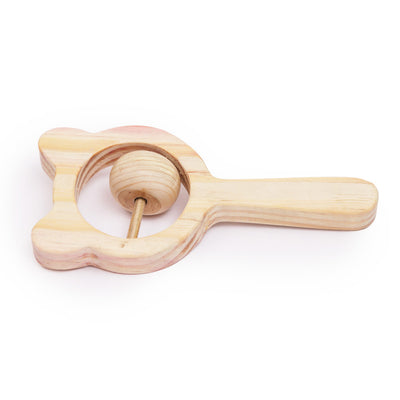
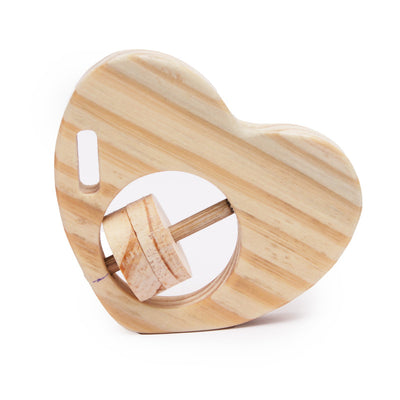
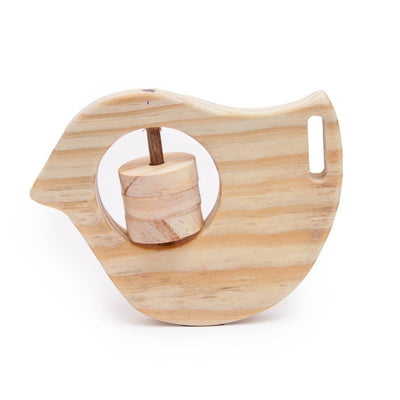
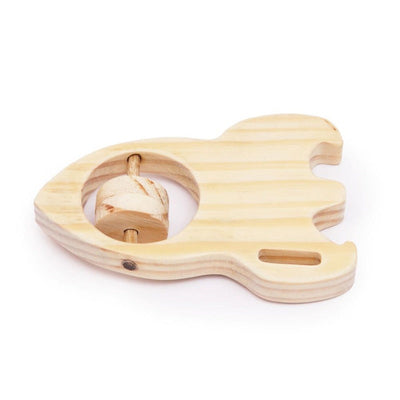
Wooden toys are a staple in many Indian homes, celebrated for their durability, tactile quality, and natural aesthetic. When selecting `wooden Indian toys for kids safety`, ensure the wood is smooth, splinter-free, and finished with non-toxic lacquers or waxes. Solid wood construction is always preferable, as it withstands the rigours of enthusiastic play from toddlers and older children alike.
Studies by child development experts consistently show that open-ended, natural play materials, common in indigenous Indian toys, enhance creativity and problem-solving skills more effectively than prescriptive electronic toys. These durable toys can be passed down through generations in a joint family, making them a sustainable and cherished part of a child’s upbringing.
Traditional Indian Toys for Toddlers Safety: Age-Appropriate Choices
When selecting `traditional Indian toys for toddlers safety`, age-appropriateness is non-negotiable. For infants and toddlers (18-24 months), toys must be large enough to prevent choking hazards, free from small, detachable parts, and easy to grasp. Look for soft, rounded edges and ensure any painted surfaces are lead-free and non-toxic.
Examples include wooden rattles, simple stacking rings, or fabric dolls made from natural cotton. Always supervise your child during playtime, especially with new toys, and regularly inspect toys for any wear and tear that could compromise safety. This vigilance ensures that play remains joyful and secure for the youngest members of the family.
Navigating Brands and Authenticity: Your Guide to Responsible Choices
In a burgeoning market, with many companies vying for a share in India's top toy sector, distinguishing authentic, safe indigenous toy brands is crucial. Look for brands that clearly communicate their commitment to child safety standards, ethical sourcing, and traditional craftsmanship. Many indigenous toy manufacturers now have robust online presences, offering detailed product descriptions and certifications.
Supporting these brands not only ensures your child's safety but also empowers local artisans and preserves invaluable cultural heritage. When shopping for educational and culturally rich toys, prioritize transparency and reputation over price alone. Discover more high-quality Montessori Method Learning Materials and Toys for your child's holistic development at SkilloToys.
- Prioritize natural, non-toxic materials like G.I.-certified Channapatna wood and natural dyes for indigenous Indian toys.
- Always verify BIS (Bureau of Indian Standards) certifications for toy safety in India to ensure compliance with national standards.
- Montessori-inspired indigenous toys foster holistic development through hands-on, culturally relevant, open-ended play.
- Age-appropriate selection is crucial for traditional Indian toys for toddlers safety, preventing choking hazards.
- Reputable brands, exemplified by Aara Play, focus on combining cultural heritage with stringent safety standards and transparency.
- Investing in safe indigenous Indian toys supports local artisans and promotes sustainable, meaningful play experiences.
Why are indigenous Indian toys considered safe for children?
Indigenous Indian toys are often crafted from natural materials like wood, clay, or fabric, using non-toxic, vegetable-based dyes, making them inherently safer than plastic alternatives. Their traditional designs frequently avoid small, detachable parts, reducing choking hazards for younger children.
How can I verify the safety certifications of traditional Indian toys?
Parents should look for BIS (Bureau of Indian Standards) certification marks on packaging or product descriptions, which indicate compliance with Indian safety standards. For specific crafts like Channapatna toys, verifying GI (Geographical Indication) tags ensures authenticity and traditional, often safer, manufacturing processes.
Are Montessori principles incorporated into indigenous Indian toys?
Yes, many traditional Indian toys align perfectly with Montessori principles by being made of natural materials, promoting hands-on exploration, and encouraging self-directed learning. Simple, open-ended designs foster concentration, fine motor skills, and creative problem-solving, mirroring the Montessori philosophy.
What should I consider for traditional Indian toys for toddlers' safety?
For toddlers, prioritize larger toys without small, detachable components that could pose a choking risk. Opt for smooth finishes, rounded edges, and non-toxic paints or natural wood. Always check age recommendations provided by the manufacturer and supervise play, especially with new toys.
How do indigenous toys contribute to a child's educational development?
Indigenous toys foster educational development by connecting children to cultural heritage, enhancing creativity, and improving cognitive and motor skills through active play. They encourage imaginative storytelling, develop problem-solving abilities, and provide a tactile learning experience that supports holistic growth.