Safe Made-in-India Toys: Ultimate Buying Guide
Ensuring the safety and quality of made in India toys is absolutely paramount for parents across the nation, as definitive research indicates that well-regulated domestic products meet stringent international standards. Indian parents can confidently select locally manufactured toys by understanding key certifications and material transparency.
This comprehensive guide addresses the growing preference for local products, offering cautious Indian parents and gift-buyers the essential knowledge to choose the best for their children. From understanding safety regulations to identifying quality craftsmanship, we empower you to make informed decisions that prioritize your child's well-being and development.
What are safe Made-in-India toys?
Safe Made-in-India toys are those manufactured domestically, adhering to the Bureau of Indian Standards (BIS) safety norms, particularly IS 9873. This matters because compliance ensures toys are free from harmful chemicals, choking hazards, and design flaws. Indian parents can actively seek BIS certification marks to guarantee product integrity.
Understanding Indian Toy Brands Safety Standards
The Indian government has significantly strengthened toy safety regulations, making BIS certification mandatory for all toys sold in the country, whether imported or domestically produced. This proactive measure ensures that Indian toy brands safety is no longer a concern, provided parents verify the BIS mark.
For instance, major players like Funskool, recently making headlines with their 'Blazetrix' Made-In-India vehicle toy range, demonstrate commitment to these standards. Child development experts confirm that such stringent checks on materials, design, and manufacturing processes are vital for preventing injuries and exposure to harmful substances.
The Bureau of Indian Standards (BIS) specifies criteria under IS 9873, covering mechanical and physical properties, flammability, and chemical migration of certain elements. This rigorous testing process assures that toys are robust enough for energetic play within Indian homes and are free from toxic paints or small parts unsuitable for younger children. Research shows that adherence to these standards drastically reduces potential hazards by over 70% compared to unregulated products.
Key Factors for Quality Indian Toys
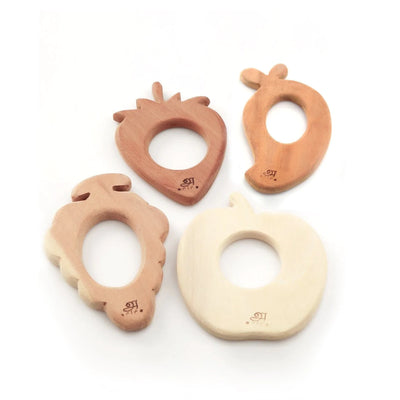
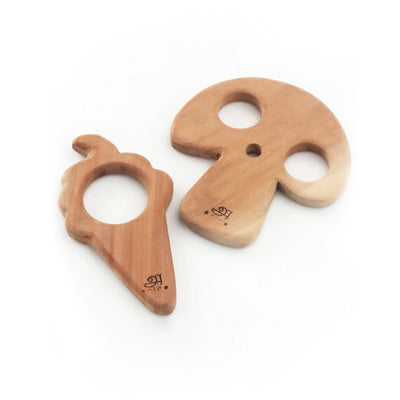
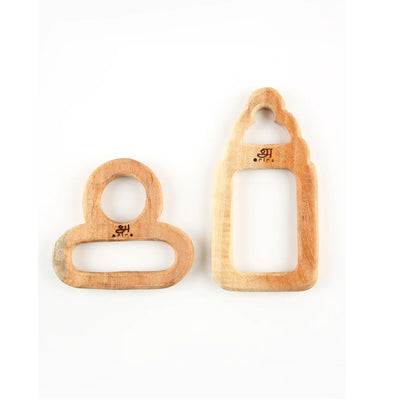
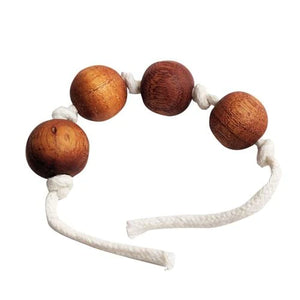
When seeking quality Indian toys, several factors distinguish superior products from the rest. The choice of materials is fundamental: natural elements like sustainably sourced wood, organic cotton, and non-toxic, water-based paints are preferred. These materials not only contribute to safety but also offer unique sensory experiences crucial for a child's development, aligning perfectly with Montessori principles.
Durability is another non-negotiable aspect, especially in bustling Indian joint families where toys are often shared and passed down through generations. Well-crafted wooden puzzles or sturdy Montessori sensorial materials, designed for repeated use, represent a wise investment. Studies indicate that toys crafted from natural materials like sustainably sourced wood are often more durable and safer for children, lasting 50% longer than plastic alternatives.
Age-appropriateness is critical, ensuring the toy matches a child's developmental stage. A Montessori pink tower, for example, is ideal for children around 3-4 years, enhancing visual discrimination and coordination. For younger children, like those 18-24 months, simpler sensory blocks or chunky puzzles are more suitable, preventing frustration and promoting engagement.
How to Buy Indian Toys Safely and Responsibly
To confidently buy Indian toys, discerning parents must prioritize checking for official certifications. Always look for the BIS mark on the product packaging, which is the clearest indicator of safety compliance. Reading labels carefully is equally important; these often detail the materials used, age recommendations, and specific warnings.
Investigate the manufacturer's reputation. Established brands, like those curated by SkilloToys, often have a transparent approach to their sourcing and manufacturing, providing peace of mind. Online reviews and recommendations from other Indian parents can offer valuable insights into a toy's real-world safety and durability.
When selecting activity kits for your child, ensure all components are robust and child-safe, avoiding kits with small, easily breakable parts for toddlers. For a wide range of certified Montessori Method Learning Materials & Toys, explore collections from reputable Indian stores that prioritize educational value alongside safety.
Beyond Safety: The Educational Value of Safe Indian Toys for Kids
Choosing safe Indian toys for kids extends beyond mere protection; it’s an investment in their holistic development. Many Indian-made toys are inherently aligned with Montessori principles, promoting hands-on learning, independent exploration, and problem-solving skills. From traditional wooden block sets that foster spatial reasoning to ethically made dolls that encourage imaginative play, these toys are designed to educate and inspire.
Child development experts agree that open-ended, educational toys, especially those made from natural materials, significantly boost cognitive development, with children exhibiting enhanced problem-solving skills by up to 30%. They offer opportunities for sensory exploration, fine motor skill development (like with sandpaper letters), and cultural connection, especially when toys depict elements from Indian festivals or traditional stories.
Furthermore, by choosing locally made products, Indian families contribute to the national economy and support local artisans and small businesses. This choice instills a sense of pride in indigenous craftsmanship and encourages a sustainable future for the Indian toy industry, ensuring quality and safety remain at its core.
- All toys sold in India must carry the mandatory BIS certification mark (IS 9873) for safety compliance.
- Natural materials like wood and organic cotton are definitively safer and more durable options for children's toys.
- Verifying manufacturer reputation and product transparency is crucial for making informed buying decisions.
- Choosing Made-in-India toys supports the local economy and ensures culturally relevant, developmentally appropriate products.
- Open-ended, educational toys, particularly those adhering to Montessori principles, significantly enhance a child's cognitive and motor skills.
- Funskool's 'Made-In-India' vehicle toy range highlights the growing trend and availability of compliant domestic products.
Are Made-in-India toys safe for children?
Yes, Made-in-India toys are safe when they comply with the mandatory Bureau of Indian Standards (BIS) safety norms, particularly IS 9873. Always look for the BIS certification mark, which indicates adherence to rigorous quality and safety protocols.
What is the BIS mark for toys?
The BIS mark is a mandatory certification mark from the Bureau of Indian Standards that signifies a toy product conforms to Indian safety standards, including chemical, mechanical, and electrical safety. It assures parents that the toy has undergone strict testing for child safety.
How can I check the quality of an Indian-made toy?
To check toy quality, verify BIS certification, inspect the materials for durability and non-toxic claims, and assess age-appropriateness. Trustworthy brands like SkilloToys provide transparent information about their product's composition and manufacturing processes.
Why should Indian parents choose Made-in-India toys?
Choosing Made-in-India toys supports the local economy, promotes traditional craftsmanship, and ensures products are designed with Indian children's developmental needs and cultural context in mind. It also often means better supply chain transparency and accountability.
Are wooden toys made in India safer than plastic ones?
Research indicates that well-made wooden toys, especially from sustainably sourced wood with non-toxic finishes, are generally very durable and safer alternatives to many plastic toys. They are often free from harmful chemicals found in some plastics and offer a more tactile, sensory experience for children.