Safe Toys for Toddlers India: Choking Hazard Guide
Preventing choking hazards with educational toys for toddlers in India involves rigorously checking toy size, material, and age recommendations, while prioritising sturdy, non-toxic options free from small, detachable parts. SkilloToys.com advocates for continuous supervision and informed selection to ensure a truly safe play environment for your little ones.
Every parent in India, whether navigating the bustling markets of Bengaluru or shopping online, shares a universal concern: the safety of their child. When it comes to toddlers (ages 1-3), this concern intensifies, particularly regarding choking hazards in toys. Choosing safe toys for toddlers India is not just about avoiding immediate danger; it's about fostering an environment where curiosity can flourish without compromise.
What are Choking Hazards in Toddler Toys? Choking hazards in toddler toys refer to any small object or detachable part that can obstruct a child's airway. This matters because toddlers (1-3 years old) explore with their mouths and have developing swallow reflexes, making them highly vulnerable. Indian parents can proactively check for the 'choke tube' test and adhere strictly to age-grading.
Understanding Choking Hazards in Toys for Toddlers
Choking is a leading cause of accidental injury and death among young children globally, with toddlers being particularly susceptible. Their natural inclination to explore objects by putting them in their mouths, coupled with a still-developing swallowing reflex and small airways, creates a high-risk scenario. Studies indicate that toys account for a significant percentage of choking incidents in children under three.
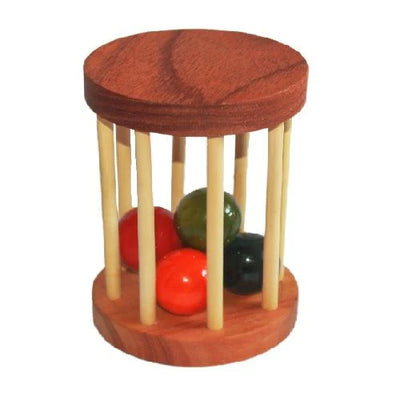
Many toys designed for older children or adults, or even seemingly innocent household items, can pose severe risks. Common culprits include small balls, marbles, beads, button batteries, and even broken pieces from larger toys. It is paramount for parents and grandparents in Indian households to be vigilant about what items are within a toddler's reach.
The SkilloToys Approach: Montessori & Safe Educational Toys for 1-3 Year Olds India
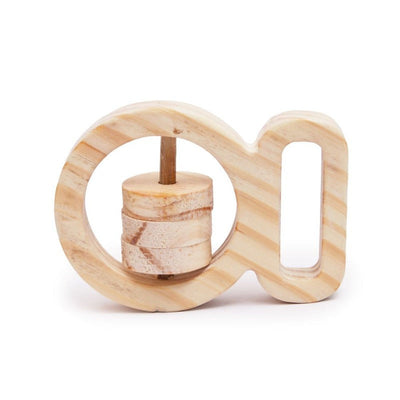
Maria Montessori's philosophy places immense importance on child safety, an ethos deeply embedded in the design of Montessori toys for toddlers safety. These educational tools are crafted from natural, durable materials like wood, free from toxic paints and finishes. They are typically larger, designed for a child's hand, and lack small, detachable components, significantly reducing choking risks.
SkilloToys is committed to offering educational toys for 1-3 year olds India that align with these high safety standards. Our collections feature items like sturdy wooden block sets, large-piece puzzles, and activity kits that promote fine motor skills and cognitive development without compromising safety. We understand that Indian parents seek products that withstand active play, often involving multiple children in a joint family setting.
Essential Safety Checklist: Preventing Small Parts Toy Safety Issues in India
When selecting toys, especially those for toddlers, a rigorous safety checklist is non-negotiable. This prevents small parts toy safety India issues that can have dire consequences. Here’s what you must check:
- The Choke Tube Test: Any item that can fit inside a standard toilet paper roll is a potential choking hazard for a child under three. Child development experts agree this is a simple, effective home safety check.
- Material Quality: Opt for sturdy, non-toxic materials like solid wood, organic cotton, or food-grade silicone. Avoid brittle plastics that can break into sharp, dangerous fragments.
- Construction: Examine toys for loose parts, sharp edges, splinters, or rough finishes. Ensure all components are securely fastened, with no accessible screws, nails, or small magnets.
- Sound & Battery Compartments: If a toy makes noise, check that battery compartments are securely sealed with screws, preventing toddlers from accessing button batteries, which are extremely dangerous if swallowed.
- Strings & Cords: Avoid toys with strings, ribbons, or cords longer than 6 inches (15 cm), as these pose a strangulation risk for toddlers.
Remember, toys that might be safe for an older sibling's play often present a hidden danger for the curious toddler exploring every object with their mouth. Regular inspection of toys for wear and tear is crucial, especially after festive gatherings or intense play sessions.
Age-Appropriate Toys for Toddlers: Why it Matters
The concept of age appropriate toys for toddlers extends far beyond developmental benefits; it is a critical safety measure. Manufacturers provide age recommendations based on potential hazards and the developmental stage of the child. Ignoring these guidelines can expose a child to risks they are not equipped to handle.
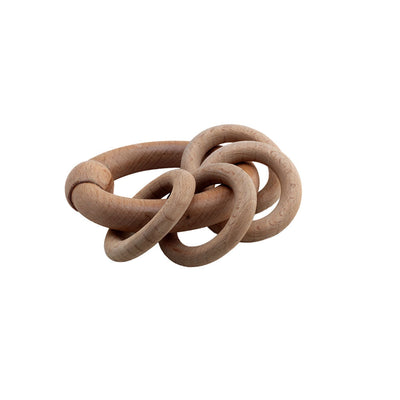
For toddlers aged 12-36 months, toys should encourage sensory exploration, gross motor skills, and early problem-solving. Examples include stacking rings, shape sorters with large pieces, push-pull toys, and soft blocks. As they approach two and three years, they might enjoy simple puzzles (with large knobs), art supplies like chunky crayons, and play-doh (under supervision). Choosing toys that match their developmental stage ensures both engagement and safety.
Beyond the Toy: Creating a Safe Play Environment
Even with the safest toys, parental supervision remains the most vital line of defense against choking hazards. Never leave a toddler unattended during playtime. In addition to toy selection, maintaining a safe play environment involves:
- Regular Housekeeping: Keep floors clear of small objects like coins, buttons, batteries, beads, and tiny food items.
- Designated Play Areas: If possible, designate a specific play area for the toddler, ensuring it is free from hazards. This is particularly helpful in multi-generational Indian homes where various items might be present.
- Educating Caregivers: Ensure all caregivers, including domestic help and visiting relatives, are aware of choking hazards and safety protocols. This shared responsibility is key to consistent safety.
Research shows that informed parents significantly reduce the risk of toy-related injuries. Empowering yourself with knowledge is the best way to protect your precious little one.
- Toddlers (1-3 years) are at highest risk for choking due to oral exploration and developing reflexes.
- Any toy or part smaller than a toilet paper roll's inner diameter is a potential choking hazard.
- Maria Montessori's philosophy prioritizes natural, durable materials that are inherently safer for young children.
- Regular inspection of toys for wear and tear is crucial, especially in Indian homes with multiple users.
- Age-grading on toys is a critical safety guideline, not merely a developmental suggestion.
- Parental supervision remains the most effective prevention strategy against choking.
What size toy is considered a choking hazard for toddlers?
A toy or any detachable part that can fit entirely into a 'choke tube' (approximately 1.75 inches or 4.4 cm in diameter), which is roughly the size of a toilet paper roll's inner diameter, is considered a choking hazard for toddlers. Child safety experts advise parents to use this simple test to evaluate smaller items.
Are wooden toys safer for toddlers than plastic toys?
High-quality wooden toys are often considered safer for toddlers due to their durability and lack of small, detachable parts common in some plastic toys. Ensure wooden toys are made with non-toxic finishes and are free from splinters or sharp edges, as SkilloToys prioritizes these standards for Montessori materials.
How do Montessori principles address toy safety for toddlers?
Montessori principles inherently promote toy safety by advocating for durable, natural materials, a focus on single-purpose, simple designs, and the use of age-appropriate, larger items. Maria Montessori believed in presenting children with real, robust tools and materials that encourage careful handling and prevent hazards.
What should I do if my child chokes on a toy?
In case of a choking emergency, immediately call for medical help and initiate appropriate first-aid procedures like back blows and abdominal thrusts, if trained. Swift action is critical; therefore, parents and caregivers should ideally complete a certified paediatric first-aid course.
How often should I inspect my toddler's toys for safety?
Parents should regularly inspect their toddler's toys, ideally before each play session or at least weekly, for signs of wear and tear, loose parts, cracks, or splinters. This routine check is especially important for frequently used items or those shared within joint families, ensuring continued safety.