Sustainable Educational Toys India: A Parent's Safety Guide
The landscape of childhood play in India is evolving, with a significant rise in demand for sustainable educational toys in India. Research indicates that consumer interest in eco-friendly products, including toys, has seen substantial growth annually, driven by heightened awareness among parents about both child safety and environmental impact. Sustainable educational toys are thoughtfully designed products that are safe for children, durable, and manufactured with minimal environmental footprint and ethical labor practices. This matters because they offer rich developmental experiences without compromising our planet's future, allowing Indian parents to nurture conscious, curious minds.
For cautious parents in Bengaluru and across India, choosing the right toys goes beyond mere entertainment. It's about investing in a child's future, aligning with family values, and ensuring safety. This guide will help you understand the true essence of sustainable toys and how to make smart choices for your little one.
What Makes a Toy Truly Sustainable and Safe for Indian Homes?
When considering safe sustainable toys for your child, it's essential to look beyond marketing buzzwords. True sustainability encompasses several critical factors: the materials used, the ethicality of production, and the toy's overall durability and longevity. For Indian families, where value for money and passing down cherished items are cultural norms, these aspects resonate deeply.
The Promise of Non-Toxic Toys for Kids in India
A primary concern for parents, especially those with infants who mouth everything, is toxicity. Non-toxic toys for kids in India means products free from harmful chemicals like lead, phthalates, BPA, and heavy metals. These substances, often found in conventional plastics and paints, can pose serious health risks to developing children.
Always inspect toy labels for specific assurances of non-toxic finishes and materials. The Bureau of Indian Standards (BIS) mark, particularly IS 9873, provides a crucial layer of assurance that the toy meets rigorous safety requirements. Choosing toys made from natural, untreated materials significantly reduces exposure risks, giving you peace of mind.
Eco-Friendly Materials and Ethical Production
The core of sustainable toys lies in their composition. Look for materials that are renewable, recyclable, or biodegradable. Think FSC-certified wood, organic cotton, natural rubber, and even recycled plastics. These choices minimize environmental strain and support responsible resource management.
Beyond materials, the hands that craft these toys matter. Ethical toy brands in India prioritize fair wages, safe working conditions, and often support local artisan communities. This commitment to social responsibility ensures that your purchase not only benefits your child but also empowers the people who make these beautiful items, reflecting the collective values of our society.
Montessori Principles Meet Eco-Conscious Play
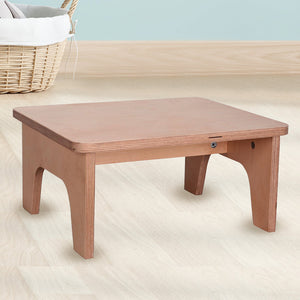
Maria Montessori, a pioneer in child development, advocated for simple, natural, and purposeful materials that foster a child's innate curiosity and independence. This philosophy perfectly aligns with the principles of sustainability. Montessori sustainable toys are often made from wood, metal, or natural fabrics, chosen for their sensory qualities and durability.
These materials offer a rich tactile experience – the smooth grain of a wooden block, the cool feel of metal, the soft texture of organic cotton – engaging a child's senses naturally. Research from organizations like the Early Childhood Education Journal highlights the profound impact of open-ended, natural materials on cognitive development, demonstrating enhanced creativity and problem-solving in children aged 3-6 years.
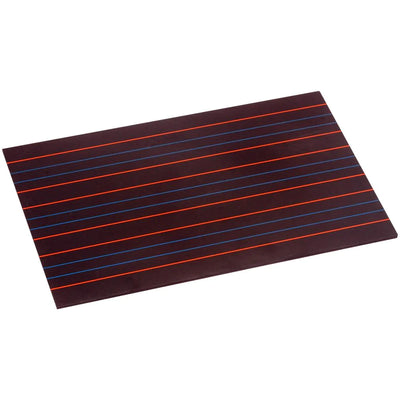
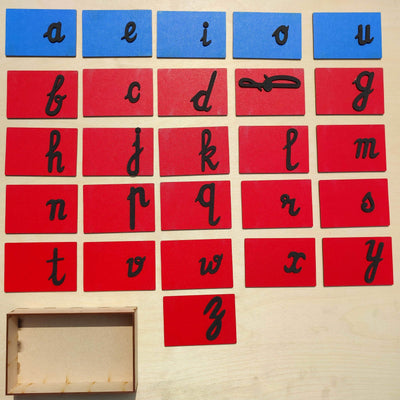
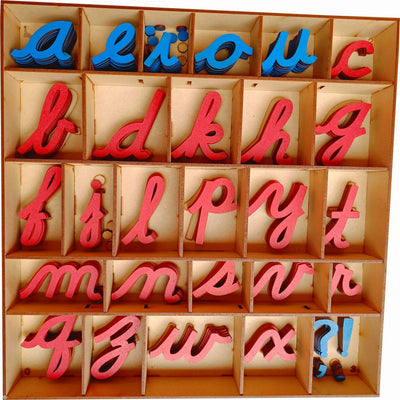
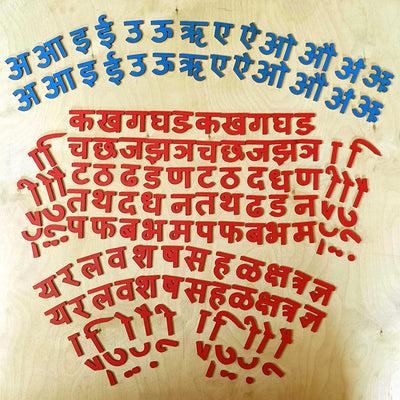
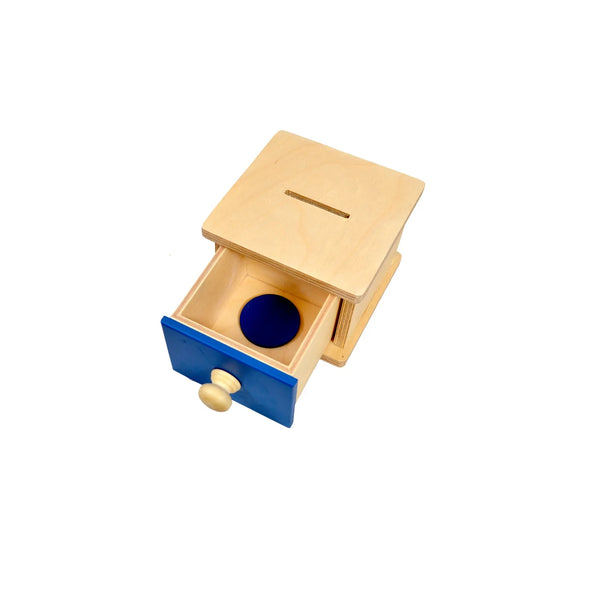
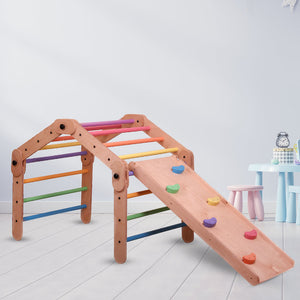
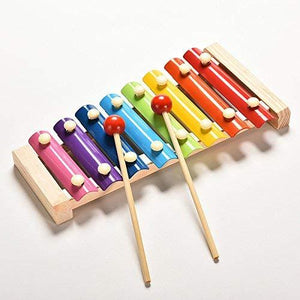
For instance, simple wooden Montessori learning materials or an engaging activity kit made from natural materials encourages child-led discovery, concentration, and fine motor skill development. These are not toys that dictate play but invite children to explore and imagine endlessly.
Your Guide to Choosing Ethical Toy Brands in India
As the market for eco-friendly toys in India expands, so does the challenge of discerning genuine sustainable options from mere 'greenwashing.' Here's how to navigate your choices:
- Look for Transparency: Reputable brands will openly share information about their material sourcing, manufacturing processes, and labor practices. If details are scarce, proceed with caution.
- Check Certifications: Beyond BIS for safety, look for certifications like FSC for wood products or GOTS (Global Organic Textile Standard) for fabrics. These third-party validations offer assurance of sustainable and ethical practices.
- Prioritize Durability: A truly sustainable toy is one that lasts. It should withstand years of play, capable of being passed down to younger siblings, cousins, or even future generations, a common practice in many Indian joint families. The satisfying clunk of a well-made wooden block is a testament to its quality and longevity.
- Focus on Purpose, Not Just Material: While materials are key, consider if the toy encourages open-ended, imaginative play. A simple set of blocks, for example, offers endless possibilities compared to a single-function electronic toy, reducing the need for constant new purchases.
Beyond the Label: Practical Tips for Cautious Indian Parents
Choosing sustainable toys is a journey, not a destination. Here are some actionable tips for parents:
Inspect for Quality: Before purchasing, physically examine the toy. Check for smooth edges on wooden toys, secure fastenings, and consistent finishes. High-quality craftsmanship is a hallmark of durable, safe, and truly sustainable products.
Consider the Toy's Entire Lifecycle: Think about what happens to the toy after your child outgrows it. Can it be repurposed? Recycled? Or is it destined for a landfill? Investing in items that biodegrade or can be safely passed on reduces waste, aligning with mindful consumption practices.
Observe Your Child's Play: The grandparent's old wooden puzzles, passed down through the family, exemplify true sustainability—not just in material, but in the stories they carry and the imaginations they spark across generations. These 'boring' toys often foster more profound problem-solving than their electronic counterparts because they demand the child be the inventor, using their mind to bring the toy to life.
Next time you're selecting a toy for your little one, consider its story, its materials, and the endless possibilities it offers for open-ended play. Explore SkilloToys' range of activity kits and Montessori materials to discover toys that meet these high standards of safety, sustainability, and developmental value, nurturing conscious, curious minds right here in India.