Sustainable Educational Toys India: A Safe Buying Guide
Choosing sustainable educational toys India is a pivotal decision for parents aiming to foster both their child's holistic development and a healthier planet. Research indicates that opting for eco-friendly, non-toxic materials significantly reduces exposure to harmful chemicals, ensuring a safer play environment. Indian parents can confidently select toys that align with Montessori principles and environmental responsibility.
Sustainable educational toys are thoughtfully designed playthings made from renewable, recycled, or responsibly sourced materials, minimizing environmental impact. They are typically non-toxic, durable, and promote a child's natural learning through open-ended play, aligning perfectly with Montessori philosophy. This approach benefits both the child's development and our shared environment, offering a mindful choice for young learners.
Why Sustainable Educational Toys Matter for Indian Families
For Indian families, the choice of educational toys extends beyond mere play; it's about nurturing well-being and upholding traditional values of care. Non-toxic toys for kids India are crucial given the rising awareness about environmental pollutants and their impact on child health. Studies indicate that early exposure to certain chemicals found in conventional plastics can affect development, making material safety a paramount concern for discerning parents and grandparents alike.
Child development experts agree that children learn best in a safe, stimulating environment. Sustainable toys, often made from natural materials like wood or organic cotton, offer tactile experiences that plastic alternatives cannot replicate, fostering sensory development and concentration, hallmarks of the Montessori method. Moreover, embracing sustainability resonates deeply with the Indian ethos of living harmoniously with nature, teaching children responsibility from a young age.
The long-term value of durable, well-made sustainable toys also appeals to the pragmatic nature of Indian households. Unlike flimsy plastic toys that often break and become waste, high-quality wooden puzzles or activity kits can be passed down through siblings or even generations, reducing waste and offering continued educational benefits. This mindful consumption supports a cleaner environment for future generations, a growing concern highlighted by organizations promoting conscious living in India.
Key Qualities of Truly Eco-Friendly Toys India
Identifying truly eco-friendly toys India requires a close look at their fundamental characteristics, from material sourcing to manufacturing processes. The cornerstone of sustainability in toys lies in using natural, renewable, or recycled materials that pose minimal harm to the environment during production and disposal. Think beyond surface appearance and delve into the composition.
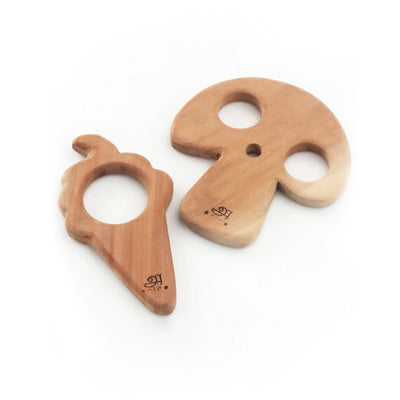
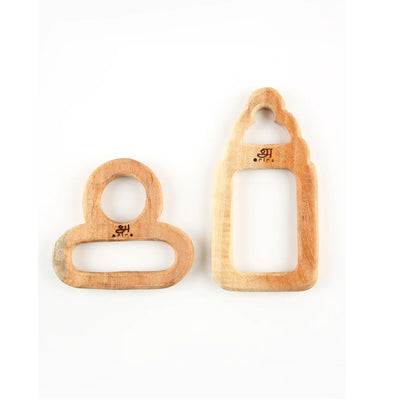
Foremost among these are natural material toys India, predominantly those crafted from sustainably sourced wood, bamboo, or organic fabrics. For instance, safe wooden toys India are often made from rubberwood or neem, known for their durability and natural anti-bacterial properties. These materials, when finished with non-toxic, water-based paints, vegetable dyes, or natural oils, ensure children are not exposed to harmful VOCs or heavy metals during play. Child development principles, as advocated by Maria Montessori, emphasize natural materials for their sensory richness and connection to the real world, enhancing learning experiences with materials like the iconic Pink Tower or Sandpaper Letters.
Beyond materials, the manufacturing process itself plays a vital role. Ethical production, fair labour practices, and minimal energy consumption are hallmarks of truly sustainable brands. Look for transparency in a brand's supply chain, indicating their commitment to environmental stewardship and social responsibility, ensuring that your child's toy contributes positively at every stage.
Identifying Made in India Sustainable Toys: A Guide for Parents
The landscape of made in India sustainable toys is flourishing, offering parents excellent choices that support local craftsmanship and reduce their carbon footprint. By choosing Indian brands, parents not only invest in high-quality, culturally relevant products but also empower local artisans and businesses, aligning with initiatives promoting indigenous industries. This trend was notably highlighted in reports like 'Christmas Gifts for Kids: 10 Indian Brands Making Thoughtful, Sustainable Toys' by The Better India, showcasing the robust growth of this sector.
Supporting 'Made in India' sustainable toys often means access to products designed with specific Indian contexts in mind, from materials readily available domestically to themes that resonate with our culture and festivals. These toys often reflect a commitment to traditional toy-making techniques combined with modern safety standards, offering unique, handcrafted pieces. Furthermore, reduced shipping distances for locally made products directly translate to lower greenhouse gas emissions, a tangible benefit for our planet.
When exploring these brands, prioritize those that clearly state their material sources and manufacturing locations. Many Indian brands are now proudly displaying certifications or transparently sharing their sustainability journey on their websites. This commitment ensures that your purchase contributes to a thriving local economy and promotes responsible environmental practices right here at home.
Practical Steps to Buying Non-Toxic Toys for Kids India
Making an informed purchase of non-toxic toys for kids India requires a systematic approach, ensuring every playtime is safe and enriching. With so many options available, knowing what to look for can significantly ease a parent's mind. The first step involves scrutinizing product labels and descriptions for specific safety certifications.
Look for certifications such as the Bureau of Indian Standards (BIS) mark, which indicates adherence to national safety norms, or international standards like ASTM F963 (USA) and EN71 (Europe) for toy safety. These marks confirm that the toy has undergone rigorous testing for hazards like choking risks, chemical content, and flammability. Always prioritize toys that clearly state they are free from BPA, phthalates, lead, and other heavy metals, particularly important for toys intended for children under 36 months, who often explore with their mouths.
Beyond certifications, consider the tactile and olfactory aspects of a toy. Natural materials generally have a subtle, earthy scent, unlike strong chemical odours that can indicate harmful additives. Opt for durable construction; solid, well-finished toys from trusted collections like our Montessori learning materials are less likely to break into small, sharp pieces, reducing choking hazards. SkilloToys meticulously curates its offerings, ensuring every item meets stringent safety and sustainability benchmarks, empowering parents to confidently choose the best for their children, from engaging activity kits to developmental wooden puzzles.
Embracing sustainable educational toys is a powerful way for Indian parents to invest in their child's future, ensuring both their immediate safety and the health of the planet. By making informed choices, prioritizing natural materials, seeking ethical production, and supporting local brands, families contribute to a cycle of responsible consumption. SkilloToys is dedicated to being your trusted partner in this journey, offering a curated selection of safe, sustainable, and developmentally appropriate toys that align with Montessori principles.
- Choosing sustainable educational toys in India significantly reduces a child's exposure to harmful chemicals, promoting healthier development.
- Eco-friendly toys, often made from natural materials like wood or organic cotton, provide richer sensory experiences crucial for early learning, as advocated by Maria Montessori.
- The "Made in India" movement for sustainable toys supports local economies, reduces carbon footprint, and often incorporates culturally relevant designs.
- Parents should look for certifications like BIS, ASTM F963, or EN71, and explicit declarations of being free from BPA, phthalates, and lead.
- Durable sustainable toys offer long-term value, can be passed down, and minimize waste, aligning with mindful consumption practices in Indian households.
- The growth of the Indian sustainable toy market makes eco-conscious choices more accessible and impactful for families across the country.
Are wooden toys always safe and sustainable?
Wooden toys are generally very safe and sustainable, especially when made from responsibly sourced wood like rubberwood or neem. However, it's crucial to check that they are finished with non-toxic, water-based paints or natural oils to prevent chemical exposure. Always look for certifications and transparent material information.
How can I check for non-toxic paint on toys?
To check for non-toxic paint, look for specific declarations on the product label stating "non-toxic," "food-grade," or "water-based paints." Avoid toys with strong chemical odours or uneven, chipped paint that might indicate lower quality or unsafe finishes. Certifications like EN71 or ASTM F963 often cover paint safety.
What certifications should Indian parents look for in sustainable toys?
Indian parents should primarily look for the BIS (Bureau of Indian Standards) mark, which is mandatory for toys sold in India. Additionally, international certifications like ASTM F963 (USA) and EN71 (Europe) further ensure rigorous safety and material standards. Brands transparently sharing their sustainability practices are also a good indicator.
Is it more expensive to buy sustainable educational toys in India?
Initially, sustainable educational toys might have a slightly higher upfront cost compared to mass-produced plastic alternatives. However, their durability, long-term educational value, and potential for reuse often make them more cost-effective over time. Investing in quality reduces the need for frequent replacements and offers better developmental returns.
How do sustainable toys benefit a child's development, especially for toddlers (18-24 months)?
Sustainable toys, often crafted from natural materials, engage a toddler's senses more effectively, enhancing tactile exploration and cognitive development. For toddlers aged 18-24 months, materials like smooth wood for stacking blocks or soft organic fabrics for dolls promote sensory integration and fine motor skills. These open-ended toys encourage creativity and problem-solving, foundational skills in Montessori education.
Where can I find reliable sustainable toy brands in India?
Reliable sustainable toy brands in India can be found through specialized online stores like SkilloToys.com, which curates eco-friendly and Montessori-aligned products. Look for brands that clearly communicate their material sourcing, manufacturing ethics, and safety standards. Reputable platforms and conscientious retailers are excellent resources for discovering trusted Indian brands.