Sustainable Educational Toys: Safety & Buying Guide
Choosing sustainable educational toys is a definitive step towards ensuring a safer, healthier, and more enriching play environment for Indian children. Research consistently shows that toys made from natural, non-toxic materials support better cognitive and physical development, offering long-term value that resonates deeply with Indian parents seeking the best for their little ones.
As the Indian toy market experiences significant growth, with new brands and innovations emerging, discerning parents are increasingly looking beyond mere entertainment. They seek products that align with their values of health, environmental responsibility, and educational efficacy. This comprehensive guide from SkilloToys.com provides the clarity you need to make informed choices for your family.
What are Sustainable Educational Toys?
Sustainable educational toys are playthings designed, produced, and used with minimal environmental impact, promoting child development through safe, natural materials and ethical practices. This matters immensely because these toys reduce exposure to harmful chemicals, foster ecological awareness, and offer lasting value. Indian parents can confidently invest in these toys, knowing they are making a responsible choice for both their child's future and the planet.
Why Indian Parents Are Choosing Sustainable Educational Toys
The shift towards eco-friendly toys India is driven by a blend of health consciousness, environmental awareness, and a growing appreciation for purposeful play. Indian families, often rooted in traditions of natural living and holistic well-being, are increasingly prioritising products that are safe and free from harmful toxins.
With stories highlighting thoughtful, sustainable toy brands, and a general consumer trend towards 'Made-in-India' products, parents are more aware than ever. They recognise that investing in quality, natural toys means less plastic waste accumulating in their homes and a reduced ecological footprint for future generations, aligning with the principles of Vasudhaiva Kutumbakam.
Decoding Safety: What Makes Toys Truly Non-Toxic?
Ensuring that toys are truly non-toxic sustainable toys is paramount for child safety, especially with young children who explore by mouthing objects. This involves a careful examination of materials and finishes. Safe natural toys are typically made from untreated solid wood, organic cotton, natural rubber, wool, or food-grade silicone.
Child development experts agree that avoiding plastics containing BPA, phthalates, and PVC is crucial, as these chemicals can leach and pose health risks. Always look for certifications like BIS (Bureau of Indian Standards) or international standards such as CE, ASTM, or EN71, which indicate a toy has met stringent safety requirements. SkilloToys.com is committed to offering only products that meet or exceed these safety benchmarks.
The Lifespan Advantage: Investing in Durable Educational Toys
In Indian households, where the concept of 'hand-me-downs' is deeply ingrained, the durability of toys holds significant economic and sentimental value. Durable educational toys are not just an investment in a child's learning; they are an investment in longevity, often passed from elder siblings to younger cousins, or even across generations. This practice reflects both a frugal mindset and an appreciation for quality.
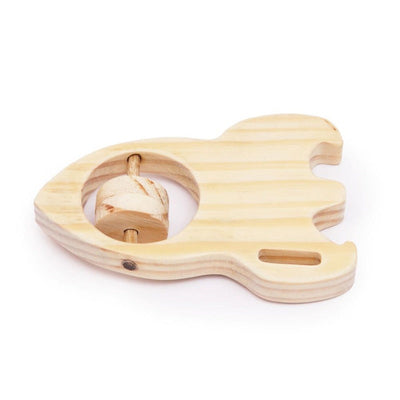
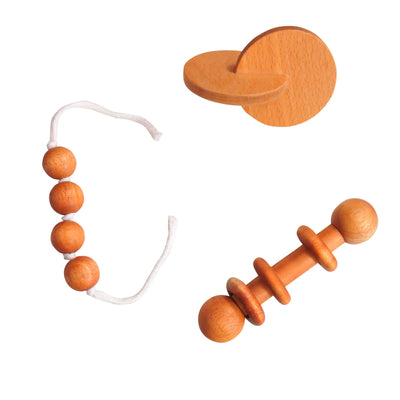
Montessori education itself champions materials that are robust and designed to last, allowing children to repeatedly engage with them for deep learning. Opting for sturdy wooden educational toys, for instance, reduces the need for frequent replacements, saving money in the long run and lessening environmental waste. Explore our wide range of Montessori educational materials crafted for lasting use.
Beyond Materials: Understanding Ethical Production
Choosing sustainable toys goes beyond just the materials; it extends to how and where they are made. Supporting ethical toy brands India means looking for companies that practice fair labour, ensure safe working conditions, and engage in responsible sourcing. This includes minimising waste in their manufacturing processes and contributing positively to local communities.
The growing focus on 'Made-in-India' toys, as highlighted by initiatives and new product launches from companies like Funskool with their 'Blazetrix' range, presents a fantastic opportunity. It allows parents to support local craftsmanship and ensure that their purchases uphold ethical standards, reflecting a holistic approach to sustainability that considers people and planet.
Your SkilloToys Buying Checklist for Sustainable Educational Toys
Navigating the options for safe and enriching play is easier with a clear checklist. Here’s what cautious Indian parents should consider when buying sustainable educational toys:
- Material Purity: Prioritise natural, untreated materials like solid wood, organic cotton, natural rubber, and food-grade silicone. Confirm the absence of harmful chemicals like BPA, phthalates, and lead.
- Certifications Matter: Always look for safety certifications such as BIS, CE, ASTM, or EN71 on product packaging. These provide assurance of a toy's safety standards.
- Durability and Design: Choose toys built to last, with sturdy construction and thoughtful design that withstands vigorous play. Open-ended toys, like those found in Montessori activity kits, encourage imagination and extended use.
- Ethical Sourcing: Support brands that are transparent about their production processes, ensuring fair wages, safe working conditions, and responsible environmental practices. Look for 'Made in India' labels that uphold these values.
- Age Appropriateness: Ensure the toy is suitable for your child's developmental stage. Maria Montessori emphasised presenting materials that match a child's current capabilities to foster independence and confidence.
- Packaging: Opt for minimal and recyclable packaging to reduce waste, reflecting a commitment to the environment from start to finish.
By following this guide, you empower yourself to make choices that benefit your child's development, support ethical practices, and contribute to a healthier planet. SkilloToys.com is dedicated to providing only the safest, most engaging, and sustainable educational toys for your family.
- Sustainable educational toys are crucial for a child's health and environmental well-being in India.
- Non-toxic toys use natural materials like wood and organic cotton, free from harmful chemicals.
- Durable toys offer long-term value, aligning with Indian traditions of passing down items.
- Ethical production considers fair labour and responsible sourcing, supporting local economies.
- Safety certifications (BIS, CE, ASTM) are essential indicators of a toy's compliance.
- Montessori principles naturally promote sustainability through quality, natural materials.
What are the benefits of sustainable educational toys for Indian children?
Sustainable educational toys offer numerous benefits, including reduced exposure to harmful chemicals, fostering environmental awareness, and promoting durable, open-ended play. They align with Montessori principles, encouraging natural exploration and hands-on learning, which is vital for holistic child development in an Indian context.
How can I identify non-toxic sustainable toys?
To identify non-toxic sustainable toys, look for certifications like BIS (Bureau of Indian Standards), CE, ASTM, or EN71, which ensure safety standards. Prioritise materials such as solid wood finished with water-based paints, organic cotton, natural rubber, or food-grade silicone, and always check for a transparent list of ingredients or materials used.
Are durable educational toys a better investment for Indian families?
Yes, durable educational toys are a significantly better investment for Indian families, especially in joint family setups where toys are often passed down. High-quality, robust toys withstand extensive play, reducing waste and offering long-term value. This longevity aligns with the traditional Indian value of cherishing items and making wise, lasting purchases.
Where can I find ethical toy brands in India?
Ethical toy brands in India often highlight their commitment to fair labour practices, local sourcing, and environmentally responsible manufacturing. Look for brands that are transparent about their supply chain, use natural or recycled materials, and contribute positively to local communities, much like SkilloToys.com champions 'Made in India' initiatives.
What specific Montessori materials are considered sustainable?
Many classic Montessori materials are inherently sustainable due to their natural composition and durability. Examples include wooden blocks, pink towers, sandpaper letters, and knobbed cylinders, all crafted from high-quality, often sustainably sourced wood. These materials are designed for repeated use, promote focus, and support specific developmental milestones.