Sustainable Toys India: The Ultimate Buying Guide
Indian parents can choose truly thoughtful and sustainable toys India by prioritizing natural, non-toxic materials, understanding a brand's ethical sourcing and manufacturing practices, and selecting open-ended toys that foster genuine child development, often aligning with Montessori principles. This comprehensive guide will help you navigate the vibrant Indian toy market to make informed decisions for your child and the planet.
Sustainable Indian toys are crafted from ethically sourced, renewable, or recycled materials, ensuring minimal environmental impact and child safety through non-toxic finishes. This matters because they protect children from harmful chemicals and support responsible consumption. Indian parents can invest in toys that are both safe and contribute to a healthier planet, aligning perfectly with our traditional values of respect for nature.
The Rise of Thoughtful Indian Toy Brands
The Indian toy industry is experiencing a remarkable transformation, with a significant shift towards homegrown brands focusing on quality, safety, and sustainability. Research from the Indian Retailer indicates a robust growth trajectory, driven by parents' increasing preference for products that are both culturally relevant and environmentally conscious. This movement mirrors a global trend, as highlighted by The Better India's focus on innovative Indian brands creating thoughtful, sustainable toys.
This evolving landscape offers Indian parents unparalleled opportunities to choose toys that reflect their values. Unlike mass-produced plastic items, many local artisans and modern brands are reviving traditional Indian toy-making techniques, using materials like Sheesham wood, channapatna lacquerware, and natural dyes. These choices support local economies and ensure unique, culturally rich play experiences for children.
Beyond Aesthetics: The Importance of Ethical Sourcing
When choosing Indian toy brands sustainable practices extend beyond just the materials themselves; they encompass the entire supply chain. Ethical sourcing ensures that raw materials are procured responsibly, without exploitation of natural resources or labour. This commitment guarantees fair wages for artisans and workers, contributing positively to local communities and fostering sustainable livelihoods across India.
For cautious Indian parents, understanding a brand's commitment to ethical sourcing provides peace of mind. It signifies that the toy in your child's hand is not only safe for them but also kind to the planet and the people who made it. This holistic approach ensures every purchase makes a positive impact, aligning with the ethos of mindful living that many Indian families uphold.
Decoding Eco-Friendly Materials and Non-Toxic Finishes
Making truly informed choices requires understanding what constitutes an eco-friendly material and a non-toxic finish in toys. Studies indicate that children's constant interaction with toys makes material safety paramount. Traditional plastics often contain phthalates and BPA, which are endocrine disruptors, posing risks to developing bodies.
Instead, prioritise toys made from natural wood (especially FSC-certified), organic cotton, natural rubber, or bamboo. These materials are biodegradable, renewable, and inherently safer. When considering eco-friendly toys India, always check for finishes like water-based paints, vegetable dyes, or natural waxes and oils, which guarantee no harmful chemicals leach into your child's playtime.
The Dangers of Hidden Toxins in Toys
Many seemingly innocent toys can harbour hidden toxins that are detrimental to a child's health. Lead in paints, formaldehyde in glues, and PVC plastics are common culprits. These substances can cause allergic reactions, respiratory issues, and long-term developmental problems, especially for young children who often put toys in their mouths. Child development experts agree that protecting children from such exposures is critical for their early growth and overall well-being.
For parents in India, ensuring non-toxic toys India are chosen is a crucial step towards creating a safe play environment. Look for toys that proudly display certifications like the BIS (Bureau of Indian Standards) mark, CE, or ASTM International standards. These certifications are a reliable indicator that the products have undergone rigorous testing for chemical safety and physical hazards.
Montessori Principles and Sustainable Play
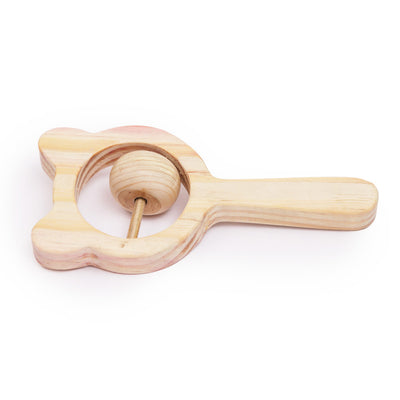
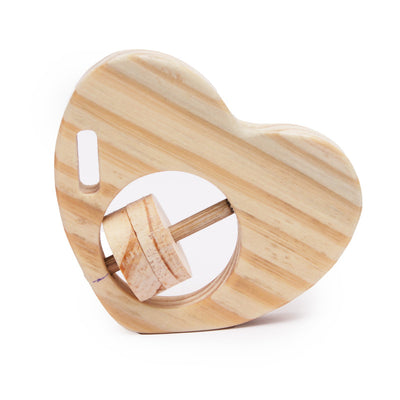
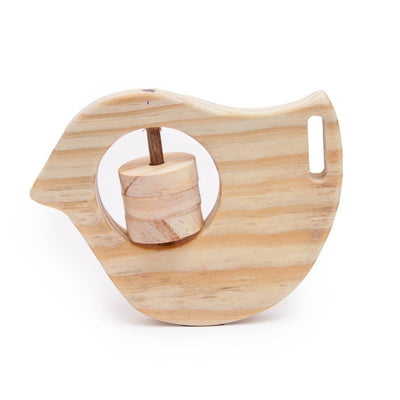
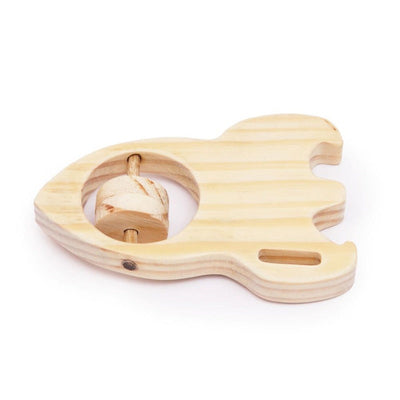
The Montessori philosophy, founded by Dr. Maria Montessori, inherently champions many principles of sustainability: durability, simplicity, and connection to nature. Montessori materials are designed to be long-lasting, often crafted from wood and other natural materials, encouraging focused, purposeful play. This aligns perfectly with the goal of selecting Montessori wooden toys India.
Such toys, including classic items like the pink tower, sandpaper letters, or a simple wooden stacking toy, are not meant to be discarded quickly. Their open-ended nature allows for years of exploration across various developmental stages, reducing the need for constant toy replacement. This inherent durability makes them a truly sustainable choice, fostering both learning and responsible consumption. Explore our range of Montessori learning materials that embody these timeless values.
Making Thoughtful Gifts for Kids in India
Choosing a gift for a child in India, whether for a birthday, Diwali, or just to celebrate a milestone, often involves input from a joint family and careful consideration. Making thoughtful gifts for kids India means selecting items that resonate culturally, are developmentally appropriate, and hold lasting value beyond immediate amusement. It's about investing in their growth, not just momentary joy.
Consider gifts that encourage creativity, problem-solving, and a love for learning. Activity kits, for instance, are excellent choices for children aged 3-8, promoting fine motor skills and imaginative play through engaging projects. Instead of fleeting trends, opt for durable, versatile items that can be passed down or enjoyed for years, reflecting the enduring values cherished in Indian homes. Discover our curated activity kits that inspire thoughtful play and learning.
- Sustainable toys in India prioritise natural, non-toxic, and ethically sourced materials.
- Choosing local Indian toy brands supports traditional craftsmanship and ethical production.
- Certifications like BIS, CE, or ASTM ensure toys meet stringent safety and non-toxic standards.
- Montessori wooden toys are inherently sustainable due to their durability and open-ended design.
- Thoughtful gifts for kids foster development, cultural connection, and responsible consumption.
- The Indian toy industry is increasingly focusing on eco-friendly options due to parental awareness.
What makes a toy truly sustainable in India?
A toy is truly sustainable in India when it is crafted from ethically sourced, renewable, or recycled materials like neem wood or organic cotton, uses non-toxic, child-safe finishes, and supports local artisans and fair labour practices. It must also be durable enough to withstand years of play, reducing waste.
Are Montessori wooden toys always sustainable?
Montessori wooden toys are inherently designed for durability and open-ended play, which aligns with sustainability principles. However, their sustainability also depends on the type of wood used (FSC-certified is preferred), the finishes applied (water-based, non-toxic), and the ethical manufacturing practices of the brand. SkilloToys prioritises these aspects.
How do I ensure Indian toys are non-toxic?
To ensure Indian toys are non-toxic, parents should look for certifications like BIS (Bureau of Indian Standards), CE, or ASTM, which indicate safety compliance. Prioritise toys made with natural materials like untreated wood, natural rubber, and organic fabrics, finished with plant-based dyes or water-based paints, and avoid those with strong chemical odours.
Why are Indian brands increasingly focusing on sustainable toys?
Indian brands are increasingly focusing on sustainable toys due to growing parental awareness about health and environmental impacts, a resurgence of traditional craftsmanship, and government initiatives promoting 'Vocal for Local'. This shift meets the demand for safer, eco-conscious products while supporting local economies and preserving cultural heritage.
What are the benefits of choosing thoughtful gifts for kids?
Choosing thoughtful gifts for kids offers profound developmental benefits, encouraging creativity, problem-solving, and independence through open-ended play. Such gifts, often sustainable, last longer and reduce waste, teaching children the value of conscious consumption and appreciation for quality over quantity from a young age.