Toy Safety for Indian Parents: The Ultimate Home Guide
Ensuring toy safety for Indian parents is paramount, as children's play environments directly impact their well-being and development. This comprehensive guide offers a crucial checklist, empowering families to make informed choices about safe, educational toys for every Indian home.
Understanding what constitutes a safe toy and how to maintain that safety is foundational for fostering healthy growth in children. It provides peace of mind for parents, grandparents, and caregivers alike.
What is Toy Safety? A Definitive Guide for Indian Families
Toy safety encompasses the design, materials, and usage of playthings to prevent injury or harm to children. This matters because unsafe toys can lead to choking, cuts, chemical exposure, or developmental setbacks, directly impacting a child's health and learning journey. Indian parents can actively ensure safety by selecting certified, age-appropriate, and well-maintained toys, creating a secure play space.
The growing Indian toy market, as evidenced by recent acquisitions like KV Toys' stake in Play Panda, highlights a vibrant industry, making informed safety choices even more crucial for parents. Many Indian brands are now focusing on thoughtful, sustainable toys, reflecting a positive shift towards safer, eco-friendly play options, which aligns perfectly with SkilloToys' commitment to quality and safety.
Understanding Materials: Non-Toxic Toys India Needs
The materials used in children's toys are a primary concern for cautious Indian parents. Research shows that exposure to certain chemicals found in plastics, paints, and adhesives can have long-term health implications for developing children. Prioritising non-toxic toys India trusts is a non-negotiable step.
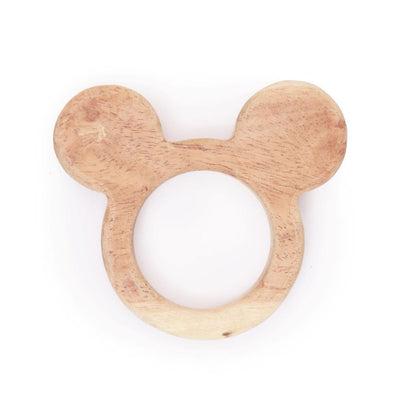
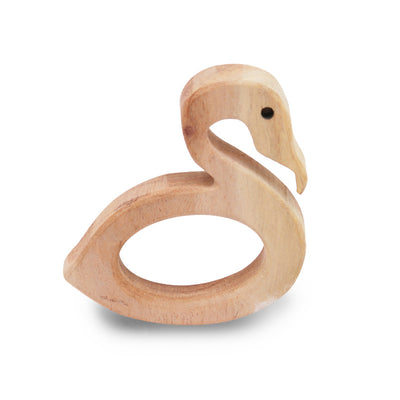
Look for natural materials like untreated wood, organic cotton, and food-grade silicone. When purchasing plastic toys, ensure they are labelled BPA-free, Phthalate-free, and lead-free. Child development experts agree that materials like natural rubber are excellent, durable, and safe alternatives.
Design and Construction: Beyond Choking Hazards
While choking hazards are a well-known risk, a comprehensive toy safety checklist India requires parents to look beyond just small parts. Sharp edges, pinch points, cords, and loose batteries can also pose significant dangers. Sturdy construction, free from easily detachable components, is essential.
For children under three, avoid toys with parts smaller than a toilet paper roll, or those that could easily break into small pieces. Consider the durability of a toy – can it withstand vigorous play without breaking and creating new hazards? This is particularly relevant in Indian homes where toys are often shared across siblings and generations.
Age-Appropriateness: A Critical Factor in Safe Play
Selecting toys that align with a child's developmental stage is fundamental to preventing accidents and ensuring engaging play. A toy designed for a 6-year-old might contain small, intricate parts that are dangerous for an 18-month-old exploring everything with their mouth. Conversely, an overly simple toy may bore an older child, leading to misuse.
Maria Montessori's philosophy heavily emphasizes age-appropriate materials, designed to match a child's specific developmental needs and capabilities, ensuring both safety and effective learning. Always refer to the manufacturer's recommended age guidelines, considering your child's individual abilities and temperament.
Regular Maintenance and Storage: Inspecting Toys at Home
Even the safest toy can become hazardous if not properly maintained or stored. Regularly inspecting toys at home is crucial for identifying wear and tear, loose screws, splinters in wooden toys, or frayed fabric. Promptly repair or discard damaged toys to prevent accidents.
Proper storage is equally important; toys should be kept in designated bins or shelves to prevent tripping hazards. Ensure toy chests have safety hinges to prevent lids from slamming shut on small fingers. In Indian homes, where space can be a premium, organised storage helps maintain order and safety, especially after boisterous play during festivals.
Certifications and Standards: What to Look For
When purchasing safe toys for kids India, look for clear safety certifications. In India, the Bureau of Indian Standards (BIS) certification (ISI mark) is a crucial indicator that a toy meets national safety norms. This certification covers aspects like mechanical properties, flammability, and chemical content.
Globally recognised standards such as ASTM F963 (USA) or EN 71 (Europe) are also good indicators of quality and safety, particularly for imported toys. Reputable manufacturers, like those featured by The Better India for their sustainable practices, often highlight these certifications, providing an extra layer of assurance for parents.
Montessori Toy Safety Guide: Principles of Thoughtful Play
The Montessori toy safety guide integrates safety with educational value, promoting purposeful and independent play. Montessori materials, like the Pink Tower or Sandpaper Letters, are typically made from natural, durable materials, meticulously crafted for safety and longevity. They are designed to be self-correcting, allowing children to learn from their mistakes without frustration or hazard.
This approach naturally minimises toy hazards India faces by focusing on quality over quantity, encouraging responsible play, and selecting items that stimulate senses safely. Maria Montessori believed that a prepared environment, including safe and thoughtfully chosen toys, is fundamental for a child's development.
- Comprehensive toy safety involves assessing materials, design, age-appropriateness, maintenance, and certifications.
- Prioritise non-toxic materials like untreated wood and organic cotton, and check for BPA-free labels on plastics.
- Always inspect toys for small parts, sharp edges, and sturdy construction, especially for children under three.
- Adhere strictly to age recommendations on toys to prevent developmental mismatches and potential hazards.
- Regularly inspect toys for wear and tear, and ensure they are stored safely to prevent accidents at home.
- Look for BIS (ISI mark) certification in India and other international standards like ASTM F963 or EN 71.