Toy Safety Standards India: A Parent's Guide to BIS & More
Ensuring child safety is a top priority for Indian parents, and understanding toy safety standards India mandates is crucial for making informed choices. These standards, primarily regulated by the Bureau of Indian Standards (BIS), safeguard children from potential hazards like choking, chemical exposure, and physical injuries present in toys. Parents can confidently select toys by recognizing these certifications, protecting their children while fostering healthy development.
BIS certification, mandatory for toys sold in India, is a quality mark from the Bureau of Indian Standards. It ensures products comply with rigorous safety, health, and environmental requirements outlined in IS 9873. This matters because it guarantees toys are free from harmful chemicals, dangerous edges, and choking hazards. Indian parents can look for this mark to ensure their child's safety.
Understanding BIS: India's Mandatory Toy Safety Standard
The Bureau of Indian Standards (BIS) implemented mandatory certification for toys in January 2021, a pivotal step to ensure the safety of playthings available to Indian children. This move mandates that all toys, whether domestically manufactured or imported, must bear the ISI mark, signifying compliance with Indian Standard (IS) 9873. This standard comprehensively covers mechanical and physical properties, flammability, and migration of certain elements, including heavy metals, safeguarding against common risks like chemical ingestion or injury from sharp edges.
For parents, this means greater assurance, particularly with the rise of 'Made-in-India' initiatives. Companies like Funskool, with their 'Blazetrix' range, now adhere to these stringent local benchmarks, ensuring indigenous products are not only culturally relevant but also globally safe. Research indicates that over 20% of children's product recalls globally are due to chemical hazards, making diligent BIS compliance an essential safeguard against such risks in the Indian market.
Beyond BIS: Other Key Toy Safety Labels for Indian Parents
While BIS is paramount in India, cautious parents might encounter other international toy safety labels which signify adherence to global benchmarks. The 'CE' mark indicates compliance with European Union safety, health, and environmental protection directives, often seen on imported toys or those from brands that target international markets. Similarly, the 'ASTM F963' standard from the USA sets comprehensive requirements for toy safety, including aspects like material quality, mechanical performance, and toxicity.
Recognizing these additional labels provides an extra layer of confidence, especially for brands that manufacture for global markets. However, for toys sold within India, the ISI mark remains the definitive legal requirement, signifying they are truly safe toys India parents can trust. Prioritizing toys with the ISI mark ensures they have met the specific national safety mandates designed for our children.
Identifying and Avoiding Choking Hazards: A Critical Check for Young Children
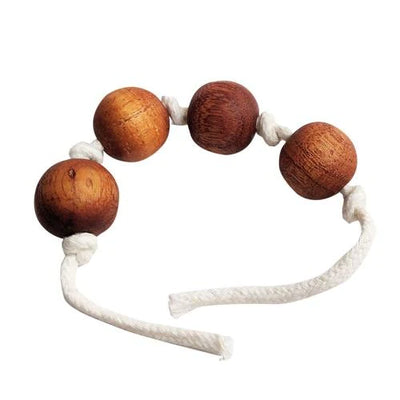
One of the most immediate concerns for parents, especially those with infants and toddlers, is the risk of choking hazards toys can present. Child development experts agree that children under three years of age are particularly vulnerable due to their tendency to explore objects orally and the small diameter of their airways. Toys with small, detachable parts, buttons, beads, or objects that can fit into a child's mouth (specifically, passing through a small parts cylinder) pose a significant danger.
Maria Montessori’s philosophy emphasizes carefully designed, age-appropriate materials to foster independence and safety. For instance, Montessori materials like the pink tower or brown stairs are solid, large, and inherently safe, but even simple wooden blocks or some activityKits can pose risks if not designed or used for the correct age group. Always check age recommendations on packaging and, when in doubt, perform a 'choke tube test' with any questionable small parts. Approximately 70% of toy-related choking incidents involve children under three years old, underscoring the importance of constant vigilance.
Making Smart Choices: A Buying Guide for Safe Toys in India
Navigating the vast selection of playthings requires a proactive approach from parents. To ensure you bring home safe toys India children deserve, always prioritize checking for the ISI mark. This crucial step confirms adherence to national safety regulations, whether you're selecting a vibrant wooden puzzle or exploring educational activityKits for your child's developing mind.
Beyond certifications, consider the toy's material, durability, and construction. Opt for non-toxic finishes and robust designs that can withstand vigorous play from active children in Indian homes. Many Indian brands are now focusing on thoughtful, sustainable toys, often made from natural materials, which can also contribute to a safer play environment while supporting local industries. For a comprehensive range of Montessori learning materials that adhere to stringent safety and developmental principles, choose trusted providers.
- BIS certification (ISI mark) is mandatory for all toys sold in India, ensuring compliance with IS 9873.
- The BIS standard comprehensively covers mechanical safety, flammability, and the presence of harmful chemical elements in toys.
- Children under three are highly susceptible to choking hazards; always check for small parts and age recommendations on packaging.
- While BIS is crucial, international labels like CE and ASTM F963 provide additional quality assurance for global brands.
- Maria Montessori’s principles emphasize age-appropriate and safe material design to protect children during their developmental play.
- Indian parents should prioritize durable, non-toxic toys, supporting certified 'Made-in-India' brands for enhanced safety and peace of mind.
What does BIS certification for toys mean for Indian parents?
BIS certification means a toy has been rigorously tested and complies with Indian safety standards (IS 9873), guaranteeing it's free from harmful chemicals, dangerous edges, and choking hazards. This offers parents peace of mind that the toy is safe for their child.
How can I identify a BIS certified toy?
You can identify a BIS certified toy by looking for the distinctive ISI mark prominently displayed on the toy's packaging or on the toy itself. This mark confirms its adherence to mandatory Indian safety regulations.
Are 'Made-in-India' toys automatically safe?
'Made-in-India' toys must also comply with BIS standards and carry the ISI mark to be considered safe for sale in India. While supporting local manufacturing is commendable, always verify the BIS certification regardless of the toy's origin.
What are the main choking hazards to look for in toys?
Main choking hazards include small parts that can detach, loose buttons, beads, magnets, and toys that fit entirely into a child's mouth. These are especially dangerous for children under three years old, whose airways are smaller.
Besides BIS, what other safety labels should I know about?
Besides BIS, you might encounter international labels like CE (Europe) and ASTM F963 (USA). While not mandatory for sales in India, these indicate compliance with robust global safety benchmarks and offer an additional layer of assurance.