Wooden Educational Toys: The Ultimate Safety & Buying Guide
Making informed choices for children's playtime is a top priority for Indian parents, and selecting high-quality wooden educational toys offers a definitive pathway to safe and stimulating development. These natural, durable playthings are instrumental in fostering cognitive growth, sensory exploration, and fine motor skills, providing a wholesome alternative to mass-produced plastic options.
Wooden educational toys are specifically designed tools that utilize natural wood materials to engage a child's senses and facilitate learning through play. This matters immensely because they encourage open-ended exploration, creativity, and problem-solving, aligning perfectly with developmental psychology. Indian parents can confidently choose these toys to provide a safe, sustainable, and enriching foundation for their children's early years.
Why Choose Wooden Educational Toys for Your Child?
Choosing wooden educational toys goes beyond aesthetics; it's an investment in a child's holistic development and a commitment to sustainability. Child development experts agree that the tactile experience of wood—its varying textures, weights, and natural warmth—stimulates sensory pathways more effectively than synthetic materials. This engagement is crucial for early brain development, encouraging children to explore and understand their physical world.
Moreover, wooden toys are renowned for their exceptional durability, making them a wise choice for bustling Indian households and joint families. Research consistently shows that wooden toys, when well-maintained, can last for generations, becoming cherished heirlooms passed down from elder siblings or cousins. This longevity not only provides excellent value but also reduces waste, aligning with growing environmental consciousness.
Key Safety Considerations for Wooden Educational Toys
Ensuring the safety of wooden educational toys is paramount for every parent. While wood is a natural material, the manufacturing process, finishes, and design elements all play a critical role in preventing potential hazards. Diligent scrutiny is essential to guarantee that a toy is truly safe for a child.
Non-Toxic Finishes and Materials: What Indian Parents Must Know
The finishes on wooden toys are crucial for safety, especially since young children often explore objects with their mouths. Studies indicate that choosing toys finished with non-toxic, food-grade materials like beeswax, linseed oil, or water-based paints free from lead and heavy metals is imperative. For Indian parents, actively looking for certifications such as BIS (Bureau of Indian Standards) is a definitive step towards ensuring that products meet strict safety guidelines regarding chemical composition. Natural wood itself, such as rubberwood or neem wood, is inherently safe, but the coatings must be equally harmless.
Avoiding Choking Hazards and Ensuring Age-Appropriateness
Choking hazards are a primary concern, particularly for infants and toddlers. Parents must meticulously check that all parts of a wooden toy are larger than a child's windpipe to prevent accidental ingestion. Reputable manufacturers ensure smooth edges, secure fastenings, and appropriate sizing for specific age groups. Always adhere to the manufacturer's age recommendations, as a toy suitable for a five-year-old might pose a significant risk to a curious 18-month-old.
Construction Quality: Durable Wooden Toys for Kids
The structural integrity of a wooden toy directly impacts its safety and longevity. Durable wooden toys for kids feature solid construction, with pieces securely joined using non-toxic adhesives or sturdy mechanical fasteners. Examine toys for any signs of splinters, rough patches, or weak points that could break off during play. A well-constructed wooden toy should feel substantial and withstand the rigours of enthusiastic play from active children, ensuring it remains safe for repeated use over time.
Montessori Principles in Wooden Toys: Fostering Independent Learning
The educational philosophy of Maria Montessori strongly advocates for simple, natural materials that engage a child's intellect and senses. Montessori wooden toys embody this principle, offering purposeful, hands-on learning experiences that encourage self-correction and independence. These toys are not just playthings; they are tools designed to facilitate specific developmental milestones.
For instance, materials like the Pink Tower or Sandpaper Letters are iconic Montessori wooden toys that develop fine motor skills, spatial reasoning, and pre-writing readiness. They are designed to be self-correcting, allowing children to learn from their mistakes without adult intervention, fostering a sense of accomplishment. This aligns perfectly with the goal of raising independent and confident learners in an Indian context where self-reliance is highly valued. Explore our full range of Montessori learning materials and toys for purposeful play.
The Ultimate Buying Guide for Wooden Educational Toys in India
Navigating the market for buying guide wooden toys requires attention to detail and an understanding of quality indicators. With the Indian toy market seeing significant growth and investment, parents have an expanding range of quality options, making informed choices even more crucial. Here’s how to make the best selections:
Material Matters: Understanding Wood Types
The type of wood used significantly influences a toy's durability and safety. Common choices include sustainably sourced rubberwood, beechwood, and even traditional Indian neem wood, known for its natural antimicrobial properties. These woods are dense, splinter-resistant, and can withstand extensive play. Always inquire about the wood source to ensure it comes from responsibly managed forests, promoting environmental stewardship.
Certifications to Look For in India
Certifications are a parent's best friend when it comes to toy safety. In India, the BIS (Bureau of Indian Standards) mark is a crucial indicator of compliance with national safety standards. Globally recognized certifications like EN71 (European safety standards) and ASTM (American Society for Testing and Materials) also assure quality and safety. Always check product packaging or descriptions for these labels, which guarantee rigorous testing for chemical content, physical hazards, and flammability.
Checking for Quality and Finish: A Hands-On Approach
When purchasing, inspect the toy thoroughly. Run your hand over the surface to ensure it is perfectly smooth, with no rough edges or potential splinters. Check for any strong, chemical odour, which indicates potentially harmful finishes. The paint or stain should be even, durable, and not prone to chipping, especially on toys for younger children who might mouth them. Well-crafted toys will show attention to detail in their construction.
Age-Appropriate Choices for Every Developmental Stage
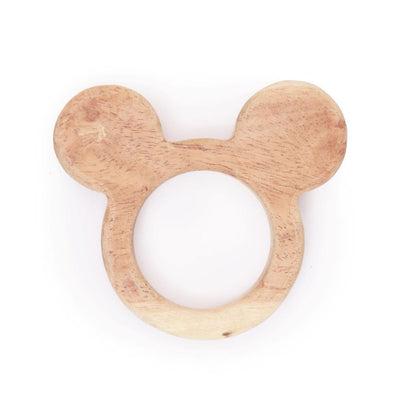
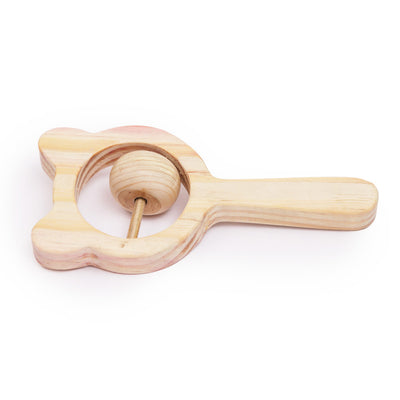
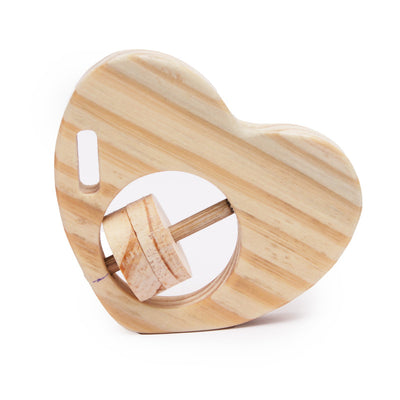
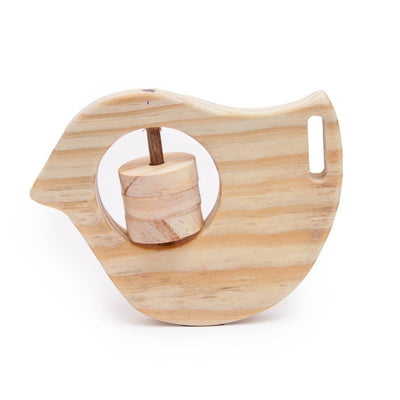
Matching the toy to your child's developmental stage is key for both safety and engagement. For infants (0-12 months), simple grasping toys and rattles are ideal. Toddlers (1-3 years) benefit from stacking rings, shape sorters, and push-pull toys. Preschoolers (3-5 years) can engage with puzzles, building blocks, and imaginative play sets. For older children, intricate construction sets or activity kits enhance problem-solving and fine motor skills.
Considering Play Value and Longevity
The best wooden educational toys offer open-ended play, allowing children to use their imagination in multiple ways. A set of simple wooden blocks, for instance, can become a fort, a road, or an animal enclosure. Toys that grow with the child or offer various ways to play provide greater long-term value and sustained interest. Prioritise toys that encourage creativity and critical thinking over those with a single, limited function.
Supporting Local and Sustainable Brands
Supporting local Indian brands that craft wooden toys not only boosts the economy but often means gaining access to products that understand local play patterns and aesthetics. Many Indian manufacturers are increasingly focusing on sustainable practices, using local artisans and responsibly sourced wood. This choice contributes to a greener planet and often ensures higher quality control and ethical production standards.
Maintaining Your Wooden Toys for Lasting Joy
Proper maintenance ensures the longevity and hygiene of your wooden educational toys. Clean them regularly with a damp cloth and mild soap, avoiding harsh chemicals or excessive water that can damage the wood. Allow them to air dry completely. Store wooden toys in a cool, dry place away from direct sunlight or extreme temperature fluctuations to prevent warping or cracking. This simple care routine ensures your child can enjoy their beloved toys safely for many years.
- Choosing wooden educational toys definitively supports superior sensory and cognitive development in children.
- Parents must verify that all wooden toys carry safety certifications like BIS, EN71, or ASTM to ensure non-toxic finishes.
- Age-appropriate selection is critical; all small parts must be larger than a child's windpipe for safety.
- Montessori wooden toys consistently foster independence, concentration, and fine motor skills through purposeful design.
- Durable wooden toys offer excellent value and environmental sustainability, often lasting generations within Indian families.
- A hands-on inspection for smoothness, strong construction, and absence of chemical odours guarantees quality and safety.
Are wooden toys truly safer than plastic toys for Indian children?
Yes, wooden toys are generally considered safer due to their natural materials and reduced exposure to harmful chemicals often found in some plastics. When sourced responsibly from reputable brands, they offer a durable, non-toxic alternative for your child's play and learning environment.
How can I identify non-toxic wooden toys in India?
To identify non-toxic wooden toys, look for certifications like BIS (Bureau of Indian Standards), EN71, or ASTM. Ensure the product descriptions specify natural, food-grade finishes like beeswax, linseed oil, or water-based, non-toxic paints. Always check for any strong chemical smells before purchase.
What age is best to introduce wooden educational toys?
Wooden educational toys can be introduced from infancy, with age-appropriate selections. For infants (0-12 months), soft rattles or grasping toys are ideal, while toddlers (12-36 months) benefit from stacking, sorting, and pushing toys. Older children thrive with intricate puzzles, building blocks, and role-play sets.
How do Montessori wooden toys benefit my child's development?
Montessori wooden toys are designed to support a child's natural learning process through hands-on exploration and self-discovery. They foster concentration, fine motor skills, problem-solving, and independence by offering purposeful, aesthetically pleasing materials that encourage active engagement and self-correction.
Where can I find durable and authentic wooden educational toys in Bengaluru?
SkilloToys.com, based in Bengaluru, is India's leading Montessori educational toys store, offering a curated selection of durable and authentic wooden educational toys. We ensure all our products meet stringent safety standards, providing peace of mind for Indian parents and gift-buyers seeking quality and longevity.