Early Childhood Education Unicef India: Montessori School Readiness
Unicef's recent emphasis on comprehensive early childhood education Unicef India directly champions the holistic development principles long foundational to the Montessori method, providing a robust framework for Indian parents to foster school readiness. This alignment offers invaluable guidance for families navigating the crucial early years, ensuring children are not just academically but emotionally and socially prepared for their educational journey.
Understanding Unicef's recommendations, paired with the timeless wisdom of Maria Montessori, can transform how we approach our children's initial schooling steps. For Indian families, where early learning experiences often begin within the loving embrace of joint families and local communities, this dual perspective provides both reassurance and a clear pathway to nurturing capable, confident learners.
What is Early Childhood Education (ECE)?
Early Childhood Education (ECE) encompasses the critical learning and developmental experiences children undertake from birth through age eight. This matters because robust ECE builds foundational cognitive, social, and emotional skills crucial for lifelong success and well-being. Indian parents can proactively support ECE by creating stimulating home environments and engaging with quality educational resources, aligning with national goals.
Unicef's Vision for Early Learning in India: A Foundational Approach
Unicef's comprehensive vision for Unicef recommendations early learning India underscores the critical importance of a strong start for every child. Research indicates that children who participate in quality ECE programs are significantly more likely to succeed academically and socially. A 2020 study in India revealed that only 35% of children aged 3-6 years attended pre-primary education, highlighting a critical area for focus as outlined by Unicef and NEP 2020.
This vision advocates for a multi-faceted approach, emphasizing play-based learning, nurturing environments, and the active involvement of parents and communities. It stresses the development of essential skills like critical thinking, problem-solving, and communication, moving beyond rote memorization. For many Indian children, particularly in rural areas, these foundational experiences are often rooted in daily life and community interactions, which Unicef seeks to enhance and formalize through structured programs.
Child development experts agree that the first eight years are pivotal for brain development, making quality ECE an investment in a child's entire future. Unicef's framework supports initiatives that provide accessible, equitable, and quality early learning, recognizing its profound impact on a child's ability to thrive in school and beyond.
Montessori: A Proven Path to Holistic Child Development
The Montessori method, pioneered by Dr. Maria Montessori, inherently champions Montessori ECE India and the principles of holistic child development India that Unicef advocates. It is not merely a curriculum but a philosophy centered on respecting the child as an individual, fostering intrinsic motivation, and enabling self-directed learning. This approach naturally cultivates the very skills Unicef identifies as crucial for early childhood success.
Montessori education focuses on developing the whole child – cognitive, social, emotional, and physical. Children in Montessori environments (typically from 18-24 months onwards) engage with specially designed materials that allow for hands-on exploration and discovery. Activities like pouring water, buttoning clothes, or sorting shapes build concentration, fine motor skills, and independence, preparing children for academic rigor in a natural, joyful way.
Studies consistently indicate that Montessori-educated children demonstrate higher levels of social skills, creativity, and executive function compared to peers in traditional settings. The prepared environment, filled with practical life materials and sensorial tools, allows children to learn at their own pace, making choices and correcting their own errors, which are fundamental to genuine understanding and confidence. This emphasis on intrinsic motivation resonates deeply with the self-reliance valued in Indian culture.
Building School Readiness the Montessori Way in Indian Homes
Achieving effective school readiness India within the Indian home environment is entirely achievable with Montessori principles, even without a formal classroom. The essence lies in observing your child and creating opportunities for purposeful activity. In many Indian homes, grandparents play a crucial role, and their engagement in simple, everyday tasks becomes a powerful Montessori lesson.
Encouraging children to help with daily chores, like sorting lentils for dinner, setting the table, or watering plants, cultivates practical life skills, responsibility, and a sense of contribution. These activities, often seen as mere chores, are invaluable for developing fine motor control, concentration, and sequencing – all vital for future classroom tasks like writing and problem-solving. Simple, repetitive actions, like using a scoop or tongs, refine coordination and focus.
Key Montessori Areas for Home-Based School Readiness
- Practical Life: Involve children in everyday tasks like dusting, folding clothes (especially small handkerchiefs), or peeling vegetables. These foster independence and concentration.
- Sensorial Exploration: Engage with everyday objects. Explore different textures (rough, smooth), weights (heavy, light), and sizes. Using sensorial materials like the Pink Tower or Brown Stair (even with household equivalents) sharpens observation and discrimination skills.
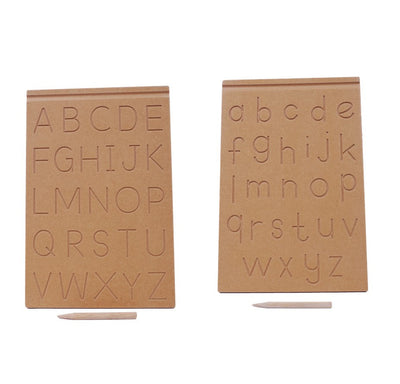
- Language Development: Read aloud regularly, encourage storytelling (especially during festivals or family gatherings), and engage in rich conversations. Introduce early language materials like sandpaper letters or alphabet puzzles to link sounds with symbols, building foundational literacy.
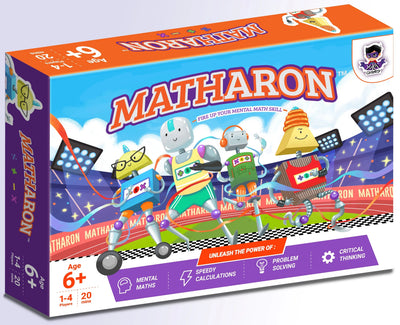
- Mathematics Awareness: Introduce numbers through counting objects around the house, sorting toys, or identifying patterns in rangoli designs. Concrete, hands-on experiences lay the groundwork for abstract mathematical concepts.
By integrating these principles, Indian parents can transform their homes into dynamic learning environments, fostering a love for learning that extends beyond structured classrooms. It’s about building a child’s inner discipline and joy in discovery.
- Unicef's ECE vision for India strongly aligns with Montessori's holistic child development approach.
- Quality early childhood education from birth to age eight is crucial for a child's lifelong success.
- The Montessori method naturally cultivates independence, concentration, and practical life skills essential for school readiness.
- Indian homes can effectively implement Montessori principles through daily chores and purposeful play.
- Involving family members, especially grandparents, enhances the learning experience for children.
- Montessori materials support the development of fine motor skills, cognitive abilities, and social-emotional growth.
Preparing your child for school in India does not have to be a source of anxiety. By embracing Unicef's forward-thinking vision and the time-tested wisdom of Montessori education, Indian parents can confidently equip their children with the skills, resilience, and curiosity needed to thrive. SkilloToys.com is dedicated to providing high-quality, authentic Montessori learning materials that empower both children and parents on this incredible journey of growth and discovery.
What is Unicef's primary goal for Early Childhood Education (ECE) in India?
Unicef's primary goal for ECE in India is to ensure all children have access to quality early learning experiences that promote holistic development, fostering cognitive, social, emotional, and physical well-being. This vision aligns with national efforts like the NEP 2020 to build strong foundations for future learning and success.
How does Montessori education support Unicef's ECE vision?
Montessori education inherently supports Unicef's ECE vision by prioritizing child-centered learning, fostering independence, and developing practical life skills from an early age. Its emphasis on a prepared environment and self-directed activity nurtures the holistic growth Unicef advocates for.
At what age should I start preparing my child for school in India?
Parents should begin fostering foundational skills from birth, integrating playful learning into daily routines. Formal school readiness activities, focusing on independence and concentration, typically become more intentional around 2.5 to 3 years, preparing children for preschool, LKG, or UKG entry.
What are the key skills for school readiness in India, beyond academics?
Beyond academics, key skills for school readiness in India include self-help skills (dressing, eating), emotional regulation (managing frustration, sharing), social skills (interacting with peers, following rules), and developing concentration and independence. These foundational abilities are crucial for a smooth transition into a formal learning environment.
Can Montessori materials be used effectively at home for school readiness?
Yes, Montessori materials are highly effective for home-based school readiness, especially when integrated thoughtfully into a child's environment. Materials like practical life tools, sensorial activities, and early literacy sets help children develop concentration, fine motor skills, and foundational concepts, preparing them for classroom settings.