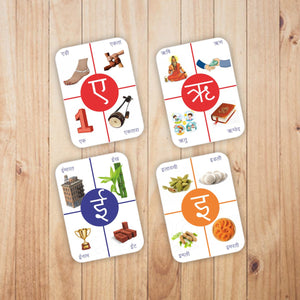
Hindi Alphabets: Daily Play for School Readiness
Integrating native language alphabets like hindi alphabets and Malayalam into a child's daily play routine significantly enhances their school readiness by fostering early literacy skills and cultural connection. This approach provides a natural, stress-free environment for children to become familiar with letter shapes and sounds long before formal schooling begins. Parents in India can weave alphabet learning into everyday activities, transforming playtime into a powerful educational tool.
Preparing young children for the bustling world of preschool, LKG, or UKG often brings a mix of excitement and anxiety for Indian parents. While English literacy is a common focus, the foundational importance of our beautiful native languages, such as Hindi and Malayalam, cannot be overstated. Embracing them through daily play offers a powerful, culturally relevant pathway to comprehensive `school readiness India`.
What Does Integrating Native Language Alphabets into Daily Play Mean?
Integrating native language alphabets into daily play means weaving letter recognition and phonics for Hindi and Malayalam seamlessly into a child's regular activities. This matters because it capitalizes on a child's natural curiosity, building strong `early literacy India` foundations. Indian parents can empower their children by making alphabet learning a joyful, organic part of family life.
This method moves beyond flashcards and rote memorization, embracing the Montessori principle that children learn best through hands-on exploration and meaningful engagement within their environment. It’s about creating a language-rich home that celebrates our heritage.
The Power of Play-Based Native Language Learning
Research shows that children who are strong in their mother tongue often acquire other languages more easily. This principle is fundamental to `native language learning` and its impact on cognitive development. By introducing `hindi alphabets` and other regional scripts through play, we honor a child's natural learning pace and cultural roots.
Child development experts agree that early exposure to language in a playful context builds vital neural pathways, enhancing memory, problem-solving, and critical thinking. UNICEF highlights the crucial role of mother-tongue instruction in early childhood education, affirming its direct link to better academic outcomes and overall well-being. This foundation also helps bridge the gap for children in diverse learning environments, from rural villages to urban homes, as noted by 'Ideas for India' discussions on early years.
School Readiness India: Why Native Alphabets Matter
For `school readiness India`, a holistic approach is essential, encompassing not just academic skills but also social, emotional, and cultural competencies. Introducing native language alphabets early equips children with a sense of identity and belonging, crucial for confidence in school. The National Education Policy (NEP) 2020 strongly advocates for early literacy and multilingualism, recognizing the immense value of mother-tongue instruction in foundational learning.
This policy shift, celebrated by 'orfonline.org' as shaping India's early learning revolution, emphasizes that learning in a familiar language helps children grasp complex concepts more easily. A child who can confidently identify letters in Hindi or Malayalam feels empowered, ready to tackle new challenges, and has a head start in understanding their local community and culture.
Practical Play-Based Alphabet Activities for Home
Transforming everyday moments into learning opportunities for `play-based alphabet activities` is simpler than you think. The goal is consistent, joyful exposure, not intense lessons. Remember, learning should be an adventure, not a chore.
Sandpaper Letters and Sensory Play
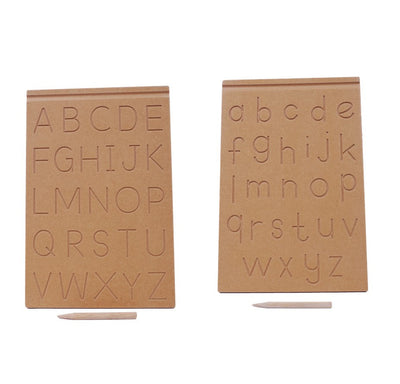
Maria Montessori's genius lay in understanding sensory learning. Introduce `sandpaper letters` for Hindi or Malayalam, allowing your child to trace the letter shapes with their fingers. This tactile experience imprints the form of the letter into their muscle memory. You can also create your own by cutting letters from sandpaper and gluing them onto cardstock.
Engage in activities like forming letters with playdough, tracing them in sand or rice, or painting them with water on a slate. These hands-on methods make learning `hindi alphabets` a delightful exploration. SkilloToys offers a range of Montessori method learning materials designed to facilitate this sensory journey.
Story Time and Rhymes
Reading aloud in Hindi or Malayalam is a cornerstone of `early literacy India`. Point to the words as you read, especially when encountering familiar alphabets. Sing traditional Indian nursery rhymes and folk songs, many of which subtly introduce letter sounds and vocabulary. Grandparents often have a treasure trove of such songs and stories, making family time a rich language-learning experience.
Create your own alphabet books featuring family members, pets, or objects found around the house. For example, "A for Amma," "B for Billi," or "M for Mango." This personalizes the learning and makes it deeply relatable.
Everyday Explorations
The world around us is a classroom. While shopping at the local market, point out `hindi alphabets` or `malayalam alphabets` on shop signs, vegetable names, or product labels. In a joint family setting, encourage older siblings or grandparents to engage the child in simple alphabet games during meals or leisure time.
Turn mealtime into a game by asking, "What letter does 'roti' start with?" or "Can you find a word on this packaging that starts with 'क' (ka)?" These small, consistent interactions build familiarity and reinforce learning without explicit instruction.
Fostering Malayalam Alphabets and Other Regional Scripts
While `hindi alphabets` are a primary focus for many, nurturing `malayalam alphabets` or other regional scripts is equally vital, particularly in multilingual households or regions. The principles remain the same: sensory, play-based, and integrated into daily life. Parents can use regional language storybooks, create simple flashcards, or label household items in Malayalam.
Exposure to multiple scripts from an early age fosters cognitive flexibility and a deeper appreciation for India's linguistic diversity. It aligns perfectly with the NEP 2020 vision for a truly multilingual and culturally aware generation, ensuring that every child's linguistic heritage is valued and developed.
Overcoming Challenges and Building Confidence
Parents often worry about pressure or confusion when introducing multiple languages or alphabets. The key is to keep it light, joyful, and child-led. If a child shows disinterest, don't push; simply shift to another activity and try again later. Consistency in a gentle, playful manner yields far better results than forced lessons.
Celebrate every small milestone – recognizing a single letter, making a sound, or even just showing curiosity. Your reassurance and enthusiasm are powerful motivators, building a child's confidence and intrinsic motivation for `early literacy India`. Remember, the goal is not perfection, but a positive, enriching start to their educational journey.
- Integrating native language alphabets like Hindi and Malayalam into daily play significantly boosts a child's school readiness.
- Early exposure to mother tongue literacy, as supported by UNICEF, enhances cognitive development and overall academic success.
- The NEP 2020 emphasizes the critical role of multilingualism and early literacy in India's foundational learning framework.
- Play-based methods, including Montessori `sandpaper letters`, make learning `hindi alphabets` tactile, engaging, and stress-free.
- Everyday interactions, from market visits to story time with grandparents, provide rich, natural opportunities for `native language learning`.
- Consistent, joyful exposure to alphabets in a child's natural environment builds confidence and a strong foundation for future learning.
At what age should I introduce native language alphabets to my child?
Child development experts agree that children can begin exploring letter shapes and sounds as early as 18-24 months through sensory play. The key is to make it a natural, pressure-free experience, building foundational `early literacy India` skills playfully.
How can I make learning Hindi and Malayalam alphabets fun?
Make it fun by integrating alphabets into daily activities like cooking, storytelling, or creating art. Using Montessori `sandpaper letters`, engaging in `play-based alphabet activities`, and singing rhymes can transform learning into joyful discovery, rather than rote memorization.
What if my child resists learning native language alphabets?
If your child resists, gently re-evaluate the approach and reduce any perceived pressure. Focus on playful exposure, celebrate small achievements, and remember that consistent, enjoyable interactions are more effective than forced lessons, nurturing a positive association with `native language learning`.
Are there specific Montessori materials for native language learning?
While traditional Montessori materials like the Movable Alphabet and `sandpaper letters` are versatile, SkilloToys offers culturally relevant versions for `hindi alphabets` and other Indian languages. These materials are designed to be tactile and self-correcting, promoting independent discovery and understanding.
How does native language literacy aid overall school readiness in India?
Native language literacy significantly aids overall `school readiness India` by strengthening cognitive skills, cultural identity, and communication abilities. Research indicates that a strong foundation in the mother tongue often facilitates easier acquisition of other languages and concepts later on, aligning with NEP 2020's focus on multilingual education.