Native Language Education India: Preschool Readiness Guide
Native language education India is fundamentally crucial for a child's successful transition into preschool and beyond. Research definitively shows that a strong foundation in a child's mother tongue significantly enhances cognitive development, critical thinking skills, and overall academic readiness. Indian parents can empower their children by nurturing their native language at home, setting them up for a confident and joyful learning journey.
As parents in India, the journey to prepare our little ones for preschool (LKG or UKG) often brings a mix of excitement and anxiety. We want the best for them, ensuring they are not only academically ready but also emotionally secure. Amidst discussions about curriculum and school choice, one vital aspect often overlooked is the profound impact of nurturing their native language or mother tongue.
What is Native Language Education?
Native language education is the process of teaching and learning in a child's first language, the language spoken predominantly at home or in their immediate community. This matters because it leverages a child's existing linguistic framework, which is deeply connected to their identity and understanding of the world. Indian parents can actively engage in this by consciously using and valuing their family's native language in daily interactions.
Mother Tongue Education Preschool Readiness: Building Strong Foundations
Child development experts agree that a strong grasp of one's native language is the bedrock for all future learning. For Indian children, whose homes are often vibrant with regional languages spoken by grandparents, parents, and during festivals, this connection is even more vital.
Studies indicate that children who develop robust skills in their mother tongue exhibit better cognitive flexibility, problem-solving abilities, and a deeper understanding of abstract concepts. This linguistic mastery provides emotional security, making the transition to preschool less daunting as they can express themselves and comprehend instructions more easily, even if the primary school language is different.
Furthermore, native language fluency supports the development of critical thinking. When a child understands the nuances of their first language, they learn to articulate thoughts, ask questions, and form opinions, which are indispensable skills for preschool readiness and beyond. It creates a bridge between their home environment, filled with familiar sounds and stories, and the new world of school.
NEP 2020 Mother Tongue Emphasis: A National Imperative
The National Education Policy (NEP) 2020 strongly advocates for education in the mother tongue or local language, especially in the foundational years (up to Grade 5). This isn't just a recommendation; it's a recognition of scientific evidence that children learn best when taught in a language they already understand and relate to emotionally.
This policy aims to reduce the cognitive load on young learners, allowing them to focus on understanding concepts rather than struggling with a new language while learning new ideas. For Indian parents, NEP 2020 offers reassurance that valuing and promoting their child's mother tongue is not just culturally enriching but also academically beneficial. It's about empowering children to think clearly and creatively from a young age, aligning with global discussions on native language education's impact on early learning.
Early Language Development India: A Montessori Perspective
Maria Montessori, the pioneer of the Montessori method, understood the crucial role of language in a child's development. She observed that children have an 'absorbent mind,' particularly for language, between birth and age six. During this period, they effortlessly soak up the language spoken around them.
Montessori environments are rich in language experiences, encouraging children to express themselves freely and build vocabulary. Parents can replicate this at home by providing a language-rich environment. This means talking to your child in your native language, narrating daily activities, singing traditional songs, and engaging in conversations.
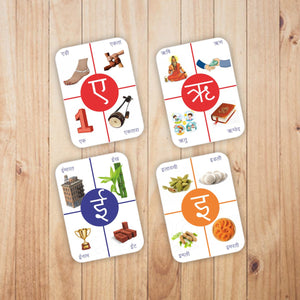
Utilizing specific Montessori language materials can also significantly aid this process. For instance, Sandpaper Letters, movable alphabets, and classified cards can be adapted to any Indian language, helping children connect sounds to symbols and build words. These materials make learning engaging and hands-on, supporting natural language acquisition.
Practical Steps to Nurture Native Language at Home
You, as parents, are your child's first and most influential teachers. Here’s how you can actively foster native language development:
- Read Aloud: Dedicate time daily to read books, stories, and poems in your native language. This introduces new vocabulary and narrative structures.
- Tell Stories: Share family anecdotes, traditional folktales, or stories about festivals like Diwali, Holi, or Eid. This connects language to cultural identity.
- Engage in Conversation: Talk about everything – what you see, what you do, what you feel. Encourage your child to ask questions and express their thoughts in their mother tongue.
- Sing Songs and Rhymes: Traditional nursery rhymes and songs are excellent for developing phonological awareness and rhythm in language.
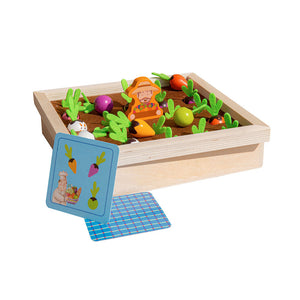
- Montessori Activities: Explore Montessori educational toys that encourage language, such as object boxes for vocabulary or matching cards in your native language.
Dispelling Myths About Native Language Education
Many Indian parents worry that focusing on native language might put their child at a disadvantage in an English-dominated world. However, research shows that a strong first language foundation actually facilitates the learning of second and third languages. Children with a solid mother tongue base often learn English more effectively and develop greater cognitive flexibility.
It’s not about choosing one language over another, but about creating a multilingual advantage. Your child’s ability to communicate effectively in their native language is a superpower that enhances their overall learning capacity and cultural rootedness.
- Native language education significantly boosts cognitive development and academic readiness.
- A strong mother tongue foundation provides emotional security for preschool-bound children.
- NEP 2020 emphasizes mother tongue education as crucial for early learning outcomes.
- Montessori principles support natural language acquisition through rich, interactive environments.
- Children proficient in their native language often acquire additional languages, like English, more easily.
- Consistent exposure to native language at home, through stories and conversations, is vital.
Is native language education only for rural children?
No, native language education benefits all children, regardless of their background or location. It establishes a strong cognitive and emotional foundation crucial for all early learners across India.
Will learning in a native language hinder my child's English proficiency?
Research indicates the opposite is true. A strong foundation in one's native language actually supports the acquisition of additional languages, including English, fostering greater cognitive flexibility.
How can I support my child's mother tongue at home?
You can support it by reading native language books, telling stories, engaging in conversations, singing traditional songs, and involving them in cultural festivals. Consistent exposure is key.
At what age should I start focusing on native language development?
Language development begins from birth. Experts recommend nurturing a child's native language from infancy through consistent verbal interaction and exposure to rich vocabulary within their home environment.
Does Montessori education support native language learning?
Yes, the Montessori method strongly emphasizes language development from a young age, recognizing its fundamental role in a child's overall growth. Montessori materials are adaptable to any language.
Embracing and nurturing your child's native language is one of the most powerful gifts you can give them for preschool readiness in India. It’s a gift of identity, cognitive strength, and a joyful start to their educational journey. By prioritizing their mother tongue, you’re not just preparing them for school; you’re equipping them for a lifetime of confident learning and a deep connection to their heritage.