NEP 2020 Foundations First: Home Guide for School Readiness
Under NEP 2020 Foundations First, Indian parents can proactively foster essential foundational skills for school readiness by integrating simple, engaging activities into their daily home routines. This approach, championed by the National Education Policy, focuses on robust early childhood care and education (ECCE), ensuring children develop critical foundational literacy and numeracy before formal schooling begins. It empowers families to become key partners in a child's early learning journey.
The shift towards a 'Foundations First' approach aims to address learning gaps early, ensuring every child in India has a strong start. Parents often feel anxious about school admissions and their child's preparedness for LKG or UKG. This guide provides a structured, reassuring roadmap for building those crucial skills right at home, transforming everyday moments into powerful learning opportunities aligned with the NEP 2020 vision.
What is NEP 2020 Foundations First?
NEP 2020 Foundations First refers to the National Education Policy's emphasis on building strong foundational literacy and numeracy skills (FLN) in children aged 3-8 years. This matters because it ensures every child possesses the essential cognitive and socio-emotional tools for successful learning, laying a solid base for future academic success. Indian parents can actively support this by creating stimulating home environments that nurture curiosity and early learning.
Understanding Foundational Literacy and Numeracy at Home
Foundational literacy and numeracy (FLN) are not just about rote learning ABCs and 123s; they encompass a broader set of skills. Foundational literacy involves oral language development, print awareness, phonological awareness, and early reading and writing. Foundational numeracy includes number sense, spatial understanding, measurement, and data handling, all at an age-appropriate level.
Research indicates that children with strong foundational literacy skills by age eight are four times more likely to graduate from high school, highlighting the long-term impact of early intervention. For Indian families, this means transforming daily conversations into language-rich experiences, telling stories in regional languages, and engaging children in counting objects during family chores or festive preparations. These early learning activities at home are powerful.
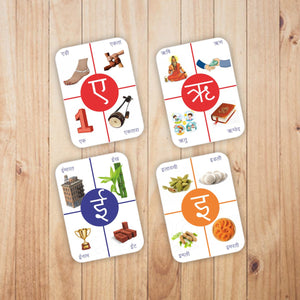
To build these skills, focus on playful interactions. For literacy, encourage your child to retell stories, identify letters on signboards during a market visit, or sing traditional rhymes. For numeracy, involve them in sorting clothes by colour, counting mangoes, or identifying shapes in rangoli patterns. Such school readiness home activities India parents can easily integrate.
Montessori Principles for NEP 2020 Foundations First
Maria Montessori's philosophy, deeply aligned with the NEP 2020 Foundations First approach, emphasizes hands-on, self-directed learning within a prepared environment. Her methods focus on developing concentration, independence, and a love for learning – precisely the traits crucial for a child's success in the foundational stage. Many Indian parents are discovering how these principles can be applied at home.
Incorporating Montessori foundational skills at home doesn't require a dedicated classroom. It means offering child-sized tools, allowing them to participate in practical life activities like pouring water, sweeping, or dressing themselves. Child development experts agree that the period between 18-24 months is crucial for developing fine motor skills and independence, directly supported by Montessori's Practical Life materials.
For literacy, expose children to language development tools like Sandpaper Letters for tactile learning of letter sounds. For numeracy, materials such as the Pink Tower or Number Rods help children understand quantity and sequence concretely. These tools allow children to explore concepts at their own pace, making learning a joyful discovery rather than a stressful task.
Practical Home Activities for School Readiness in India
Preparing your child for school readiness involves more than just academics; it’s about nurturing a curious mind and an independent spirit. Here are some actionable school readiness home activities India parents can implement, tailored to the NEP 2020's 'Foundations First' vision:
- Language Rich Environment: Engage in daily conversations about everything. Ask open-ended questions like, 'What did you see at the mandir today?' Read stories aloud from Panchatantra tales or regional children's books. Encourage them to articulate their thoughts and feelings, building their vocabulary and comprehension.
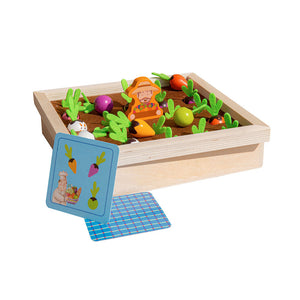
- Early Math through Play: Use everyday items for counting. Count family members, fruits in the basket, or steps while climbing stairs. Involve them in simple cooking tasks like measuring ingredients. Puzzles, shape sorters, and Montessori Math materials like Number Rods are excellent for developing number sense and problem-solving skills.
- Fine and Gross Motor Skills: Encourage activities that strengthen hand muscles and coordination. Drawing with crayons, playing with playdough, stringing beads, or helping to set the dinner table are great for fine motor skills. Outdoor play, running, jumping, and climbing are essential for gross motor development.
- Social-Emotional Development: Foster sharing, empathy, and cooperation within the joint family structure. Involve children in family discussions, assign small responsibilities, and encourage them to help grandparents. Learning to take turns during games or managing small frustrations are vital life lessons.
Integrating Play and Purpose: A Parent's Role
Your role as a parent in implementing NEP 2020 for parents is not to be a strict teacher, but a facilitator. Create a stimulating environment, observe your child's interests, and provide opportunities for exploration and discovery. The policy advocates for play-based, activity-based, and inquiry-based learning, which means integrating learning into everyday moments rather than formal lessons.
Remember, play is a child's work. Unstructured free play is crucial for developing creativity, problem-solving skills, and social competencies. A child learning to balance on a low wall or building a fort with blankets is developing critical thinking and spatial awareness. Your presence, encouragement, and a safe, prepared environment are the most valuable tools you can offer.
- NEP 2020's 'Foundations First' approach prioritizes foundational literacy and numeracy (FLN) for children aged 3-8 years.
- Indian parents are crucial partners in implementing the NEP 2020 vision through home-based early learning activities.
- Foundational literacy includes oral language development, print awareness, and early reading skills.
- Foundational numeracy involves number sense, spatial understanding, and early problem-solving.
- Montessori principles, like hands-on learning and a prepared environment, align well with the NEP 2020 goals.
- Integrating daily routines, traditional games, and practical life skills effectively builds school readiness in an Indian context.
What is the age group for NEP 2020's Foundational Stage?
The Foundational Stage under NEP 2020 covers children from age 3 to 8 years, encompassing three years of preschool or Anganwadi education and two years of primary education (Grades 1 and 2). This crucial period prioritizes developing foundational literacy and numeracy.
How can I teach my child numbers at home in an Indian context?
You can teach numbers by incorporating them into daily Indian routines, such as counting rotis for dinner, identifying numbers on auto-rickshaws, or sorting beads from a puja thali. Using tangible Montessori Math materials like number rods also provides a concrete understanding of quantity.
Are Montessori toys really necessary for foundational skills?
While not strictly 'necessary' for foundational skills, Montessori materials are specifically designed to aid in their development through hands-on, self-correcting activities. They effectively support concentration, fine motor skills, and abstract concept understanding, complementing the NEP 2020 'Foundations First' approach.
How much time should I dedicate to structured learning at home?
Child development experts recommend short, engaging bursts of structured learning, often just 15-20 minutes daily for preschoolers, integrated with ample free play. The key is quality engagement and following your child's interest, rather than rigid, lengthy sessions that can lead to burnout.
What if my child is not interested in academic activities?
If your child shows disinterest, reframe 'academic' activities as fun and play-based, connecting them to their world. Focus on fostering curiosity through storytelling, outdoor exploration, and practical life skills rather than drills. Children learn best when they are intrinsically motivated and enjoy the process.