Tapping into Talent: The Magic of a Classic Wooden Xylophone
Every parent dreams of nurturing their child's potential, and sometimes, the simplest toys hold the key. Introducing your little one to the world of music can be a magical journey, and a classic instrument like the xylophone is the perfect starting point. It's more than just a toy; it's a gateway to sensory exploration, creativity, and foundational skill development.
Tapping into Talent: Why Musical Toys Matter
From the rhythmic beats of traditional Indian music to the catchy tunes on children's shows, music is an integral part of growing up. Musical toys offer a unique way for children to engage with sounds, explore different pitches, and even understand basic rhythm. They provide a hands-on experience that can spark a lifelong love for music.
This engagement isn't just about fun; it's about active learning. When a child taps a bar and hears a distinct note, they're not just playing; they're connecting cause and effect, developing auditory discrimination, and beginning to understand the building blocks of melody. It's a foundational step in early childhood development.
What Skills Does a Wooden Xylophone Develop?
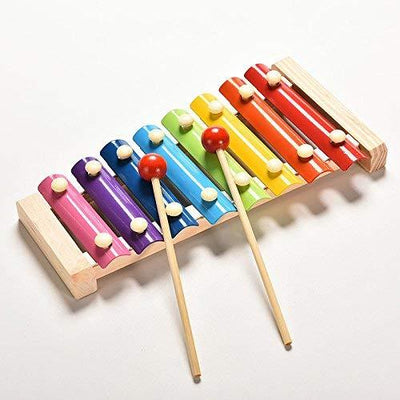
The Wooden Classic Multicolor Xylophone Musical Toy is a powerhouse for developmental benefits, making it one of the best toys for toddlers and preschoolers. Its design encourages a holistic approach to learning and play.
- Fine Motor Skills & Hand-Eye Coordination: Holding the mallet and accurately striking the small metal bars requires precision. This repetitive action strengthens tiny hand muscles and refines the coordination between what a child sees and what their hands do.
- Cognitive Development & Sensory Exploration: Children learn about different pitches and tones as they tap the color-coded bars. This introduces them to basic musical concepts and enhances their auditory sensory processing, teaching them to distinguish between sounds.
- Gross Motor Skills: Unlike stationary instruments, this xylophone features pull-along wheels. This unique design encourages movement, allowing children to walk around while making music, thereby promoting gross motor development and active play.
- Creativity & Expression: There's no "right" way to play a xylophone for a young child. They can experiment with different sequences, create their own melodies, or simply enjoy the sounds they produce, fostering imaginative play and self-expression.
Why Choose a Wooden Xylophone for Your Child?
In a market flooded with plastic toys, the charm and durability of a wooden toy stand out. A wooden xylophone offers a warm, resonant tone that is often more pleasant to the ear compared to the sharper sounds of plastic instruments. This quality sound experience can be crucial for developing a child's ear for music.
This particular xylophone also comes with an attached mallet, a small but significant detail that prevents it from getting lost under furniture. Parents in India often look for durable, educational wooden toys that can withstand energetic play and be passed down, and this product fits that description perfectly, being "Made in India" by Kidken.
How Can Parents Encourage Musical Play at Home?
Making music a part of daily life is easy and fun! Here are a few tips to get the most out of your child's xylophone:
- Play Together: Sit with your child and explore the sounds. Tap simple rhythms or hum familiar tunes while they try to replicate them.
- Experiment with Sounds: Encourage them to tap softly, then loudly, or to try different patterns. Ask questions like, "What sound does the blue bar make?"
- Storytelling with Music: Create short stories and use the xylophone to add sound effects or express different emotions. This blends music with language development.
At SkilloToys, we believe in providing children with toys that inspire growth and joy. Our curated selection, like this wonderful musical toy, focuses on quality, safety, and developmental benefits. Explore more educational wooden toys and creative play options at SkilloToys.com to find the perfect spark for your child's imagination.