Educational Toys for India's Future: A Smart Buying Guide
Choosing the right educational toys for children in India is an investment in their future, demanding foresight from smart parents. This forward-thinking guide offers critical insights into making informed decisions, ensuring children receive lasting educational value that adapts to evolving learning landscapes. Research shows that early childhood experiences, significantly shaped by play, are foundational for cognitive and social development.
Educational toys are specifically designed materials that stimulate a child's learning and development through play. This matters because such toys foster critical skills, from problem-solving to creativity, often surpassing passive entertainment. Indian parents can proactively select toys that support holistic growth, preparing children for academic success and life skills.
The Evolving Landscape of Educational Toys in India
India's educational toys sector is experiencing rapid transformation, reflecting broader societal shifts towards advanced learning and conscious consumerism. Recent reports, like the one from Google News on 'India's educational toys sector: Trends, challenges and prospects,' highlight a surge in demand for innovative learning tools. This growth is driven by increasing awareness among urban and even joint families in India about the importance of early childhood development.
Parents are increasingly seeking more than just entertainment; they want future educational toys India that align with global pedagogical advancements while retaining cultural relevance. The market is seeing a blend of traditional Indian play values with modern, tech-integrated learning concepts. This shift emphasizes toys that build foundational skills crucial for a competitive future, moving beyond rote learning.
Pillars of Future-Proof Learning: What Smart Parents Should Look For
To ensure toys provide long-term educational value toys, parents must consider several key attributes. Focus on materials that are durable, versatile, and encourage open-ended play, allowing for continuous engagement as a child grows. These qualities prevent toys from being quickly outgrown, offering sustained developmental benefits.
Prioritising Innovative and Sustainable Play
The next generation of learning tools emphasizes both innovation and ecological responsibility. Innovative learning toys often incorporate elements that encourage problem-solving, coding fundamentals, or collaborative play. Simultaneously, the demand for sustainable toys India is rising, with parents actively seeking products made from natural, non-toxic, and ethically sourced materials. Studies indicate that wooden toys and recycled plastic alternatives are gaining significant traction among conscious Indian buyers.
Choosing toys that promote critical thinking and creativity, rather than prescriptive outcomes, is paramount. For example, activity kits that allow for experimentation and discovery, such as those found in SkilloToys' activity kits collection, offer endless possibilities for exploration and skill development. Such engagement fosters a love for learning that extends far beyond the playroom.
The Enduring Wisdom of Montessori in a Modern Context
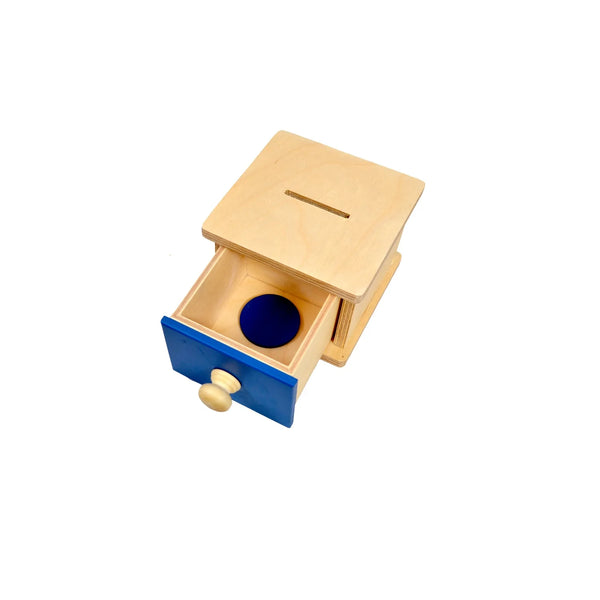
The principles laid down by Maria Montessori over a century ago remain incredibly relevant for Montessori toys evolution and next-gen learning toys. Montessori education focuses on self-directed activity, hands-on learning, and collaborative play, making it inherently future-proof. Materials like the Pink Tower or Sandpaper Letters are not just toys; they are tools that systematically build cognitive abilities, sensory perception, and fine motor skills in children aged 18-24 months and beyond.
Child development experts agree that Montessori-inspired materials cultivate independence, concentration, and a deep understanding of concepts through practical experience. These foundational skills are essential for navigating complex challenges in the digital age. By choosing high-quality Montessori method learning materials, parents equip their children with robust cognitive frameworks.
Making Informed Choices: A Practical Buying Guide for Indian Homes
Navigating the diverse market of educational toys requires a strategic approach, especially for cautious Indian parents. Consider the child's developmental stage, interests, and the potential for family involvement. Grandparents, often key figures in Indian homes, appreciate toys that are safe, durable, and offer tangible learning outcomes.
Always check for safety certifications, ensuring toys meet Indian and international standards for non-toxic materials and construction. Opt for versatility; a set of building blocks, for instance, can be used by a toddler for stacking and by an older child for complex architectural designs. This adaptability is key to maximizing value in multi-generational households.
- Future educational toys in India blend digital and physical learning for holistic development.
- Sustainable, eco-friendly materials are becoming crucial for long-term value in toy selection.
- Montessori principles remain foundational for fostering independence and intrinsic motivation.
- Toys promoting critical thinking and problem-solving are essential for next-gen learning.
- Culturally relevant toys enhance engagement and understanding for Indian children.
- Choosing open-ended toys ensures adaptability and extended educational value across age groups.
What are the key trends shaping educational toys in India?
The Indian educational toy sector is witnessing a shift towards sustainability, digital integration, and toys that foster critical thinking. There is also a growing demand for culturally relevant and skill-building materials that prepare children for future challenges.
How can parents ensure educational toys offer long-term value?
Parents ensure long-term value by choosing open-ended, durable toys that grow with the child and support multiple stages of development. Prioritize toys that encourage creativity, problem-solving, and independent exploration, rather than single-use or quickly outgrown items.
Why is sustainability important when choosing toys for Indian children?
Sustainability is crucial because it promotes environmental responsibility and often signifies safer, non-toxic materials for children. Durable, eco-friendly toys also reduce waste and provide better value over time, aligning with the conscious choices many Indian families seek.
Are digital educational toys effective for early childhood in India?
Digital educational toys can be effective when used in moderation and integrated thoughtfully with physical play. Child development experts agree that a balanced approach, prioritizing hands-on experiences, is essential for holistic early childhood development in India.
How do Montessori principles align with future learning needs?
Montessori principles, such as self-directed learning, hands-on exploration, and individualized pace, align perfectly with future learning needs that emphasize adaptability and critical thinking. They cultivate intrinsic motivation and problem-solving skills, preparing children for a rapidly changing world.