Educational Toys: Countering Phone Harm in Indian Kids
Recent studies, like those highlighted by The Times of India, confirm what many Indian parents intuitively feel: excessive phone use can significantly harm a child's development. This urgent concern makes finding effective solutions crucial for modern families. Educational toys offer a powerful, scientifically-backed antidote to this digital challenge, engaging children in purposeful play that fosters cognitive development, fine motor skills, and sustained attention.
They provide a vital alternative to passive screen consumption, promoting active learning and crucial social-emotional growth from a young age. SkilloToys.com believes in empowering Indian parents with tools for their children's holistic development, away from the digital glare.
What are Montessori Educational Toys for Healthy Development?
Montessori educational toys are carefully designed learning materials that encourage self-directed, hands-on exploration based on a child's natural developmental stages. This approach supports independence, concentration, and a lifelong love of learning, offering a structured environment for children to thrive away from digital distractions. Indian parents can incorporate these toys into daily routines to cultivate focus and practical life skills, fostering holistic growth, much like the traditional emphasis on self-reliance in Indian households.
The Alarming Truth: How Phones Hurt Indian Children
Research shows a direct correlation between increased screen time and negative impacts on a child's brain development, attention span, and social skills. A new study, as reported in The Times of India, specifically warns parents about the detrimental effects their own phone use can have on their children. This concern is amplified in bustling Indian homes where phones are omnipresent, often replacing meaningful interaction.
Children exposed to excessive screen time may experience delays in language acquisition, reduced problem-solving abilities, and even challenges in emotional regulation. Child development experts agree that the fast-paced, passive nature of screens offers little room for the active processing and sensory engagement essential for healthy growth.
Toys to Reduce Screen Time: The Montessori Advantage
Montessori principles advocate for a prepared environment rich with purposeful, open-ended materials that invite children to explore and learn at their own pace. This stands in stark contrast to the overstimulating, passive experience of digital screens. By choosing the right educational toys, parents can naturally guide their children towards screen-free play for kids.
For instance, simple wooden toys like stacking rings or shape sorters for toddlers (1-3 years) demand active participation, developing hand-eye coordination and spatial reasoning. For older children (3+ years), complex puzzles, building blocks, and practical life materials like pouring sets or dressing frames engage their concentration and problem-solving skills in a tangible way.
Age-Appropriate Alternatives to Phone for Kids
Providing age-appropriate alternatives is key to successfully transitioning children away from screens. Understanding what captivates a child at different stages allows parents to introduce toys that truly resonate with their developmental needs.
For Infants (0-1 Year): Sensory Exploration and Grasping
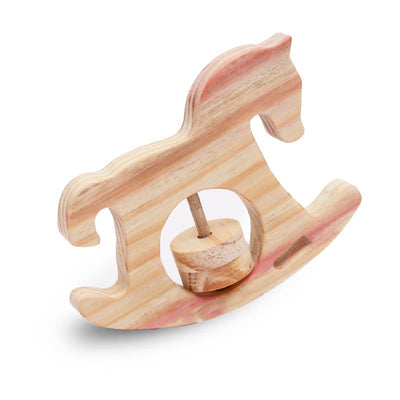
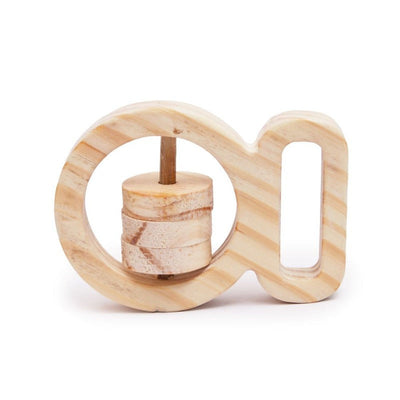
At this tender age, infants are absorbing the world through their senses. Instead of flashing lights from a phone, offer soft rattles, textured balls, and safe grasping toys. These simple items stimulate touch, sight, and hearing, laying crucial foundations for sensory integration and motor skills. SkilloToys.com offers a range of age 0-1 year toys designed for safe and engaging exploration.
For Toddlers (1-3 Years): Practical Life and Fine Motor Skills
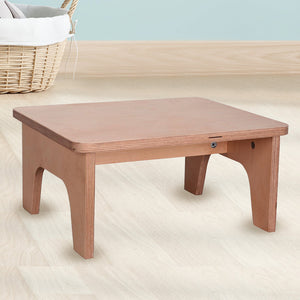
Toddlers are naturally curious and eager to assert independence. Practical life activities like pouring, scooping, and buttoning, often found in Montessori kits, allow them to mimic adult tasks, building confidence and fine motor control. Stacking blocks, simple puzzles, and bead threading provide engaging challenges that develop concentration and dexterity, proving to be excellent alternatives to screen time for 1-3 year olds.
For Preschoolers (3+ Years): Imagination and Cognitive Growth
Preschoolers thrive on imaginative play and more complex problem-solving. Construction sets, elaborate role-play kits (like a miniature kitchen or doctor’s set), and early literacy materials such as sandpaper letters or sound boxes engage their burgeoning cognitive abilities. These toys encourage storytelling, social interaction, and abstract thinking, far surpassing the benefits of any screen. Explore our toys for 3+ years for enriching play.
Creating a Screen-Free Haven in Your Indian Home
Cultivating an environment where screen-free play flourishes requires intention, especially in a joint family setting where screens might be common. Dedicate specific 'play zones' or 'learning corners' within the home, perhaps in the living room or a child's bedroom, stocked with engaging educational toys. Grandparents often enjoy participating in traditional games or storytelling, naturally drawing children away from devices.
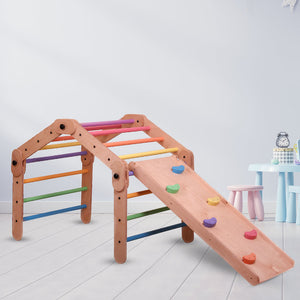
Establish clear 'screen-free times,' such as during meals or before bedtime, and involve the whole family in respecting these boundaries. SkilloToys.com's activity kits offer ready-made solutions for focused engagement, providing a wealth of opportunities for hands-on discovery that will enrich your child's early years.
- Research confirms excessive phone use significantly harms children's brain development and attention span.
- Montessori educational toys offer a direct solution by engaging children in purposeful, hands-on learning.
- Screen-free play fosters crucial cognitive, fine motor, and social-emotional skills that screens often hinder.
- Age-appropriate educational toys are essential for effective screen time reduction across all developmental stages.
- Creating dedicated play zones and family screen-free times reinforces a healthy play environment.
- Montessori materials promote independence, concentration, and a lifelong love for active learning.
How do educational toys effectively reduce screen time for children?
Educational toys reduce screen time by offering engaging, hands-on activities that capture a child's attention and curiosity, fostering active participation over passive viewing. They provide intrinsic motivation for exploration, building skills like concentration and problem-solving, which screens often cannot replicate.
What age are Montessori toys most suitable for to support healthy development?
Montessori toys are suitable from infancy, typically starting around 0-6 months with sensory mobiles and grasping toys, and continue through preschool and elementary years. They are designed to meet a child's developmental needs at each stage, promoting independence and cognitive growth.
Are Montessori toys an expensive investment for Indian families?
While some Montessori materials may seem like an initial investment, their durability, open-ended nature, and long-term developmental benefits often make them cost-effective. Many families also choose to start with a few key pieces and expand over time, considering them an investment in their child's future.
How can grandparents in Indian joint families encourage screen-free play?
Grandparents can encourage screen-free play by actively engaging with children through storytelling, traditional games, craft activities, and outdoor play. Their wisdom and presence provide invaluable human connection and introduce children to rich cultural activities that naturally divert attention from screens.
What are the best alternatives to phones for toddlers for healthy engagement?
For toddlers, the best alternatives to phones include open-ended wooden toys, sensory bins, stacking and sorting activities, and simple puzzles. These options encourage tactile exploration, fine motor skill development, and imaginative play, crucial for healthy brain development in young children.