Telugu Letters with Pictures: Montessori Learning Guide
For Indian parents nurturing their children in the rich linguistic tapestry of our nation, the quest to find engaging resources for 'telugu letters with pictures' is common. Research indicates that early exposure to mother-tongue languages like Telugu significantly enhances a child's cognitive development and cultural identity. Integrating Montessori principles provides a powerful and natural pathway for children to master the Telugu alphabet.
Montessori language learning is a holistic approach focusing on hands-on, multi-sensory experiences. This method helps children spontaneously absorb language by engaging their senses, leading to deeper understanding and retention. Indian parents can effectively introduce their child to Telugu letters through carefully designed materials and a supportive learning environment.
Why Early Telugu Letter Recognition Matters for Indian Children
Nurturing a child's connection to their mother tongue, especially Telugu, is more than just an academic exercise; it's about preserving cultural heritage and fostering a strong sense of identity. Studies indicate that children fluent in their mother tongue alongside other languages often demonstrate enhanced problem-solving skills and a broader worldview. For Aarya, a 3-year-old growing up in a joint family in Hyderabad, hearing her grandparents speak Telugu and seeing the beautiful script around her home creates a natural desire to understand.
The joy of recognising a familiar letter in a newspaper or a signpost can be immensely empowering for a young child. This early exposure helps them feel rooted in their family traditions and community, reducing the academic pressure often associated with learning new languages in school. It’s about creating a joyful foundation, rather than the guilt-tripping methods some parents felt they endured in their own childhoods.
Essential Educational Toys for Learning Telugu Letters
To effectively teach the 'telugu alphabet for kids', the right educational tools are invaluable. Montessori pedagogy emphasises tactile learning, and this holds true for language. Imagine your child's fingers tracing the curves of a "ka" (క) or a "gha" (ఘ) letter – this sensory input helps build a muscular memory for writing even before they hold a pencil.
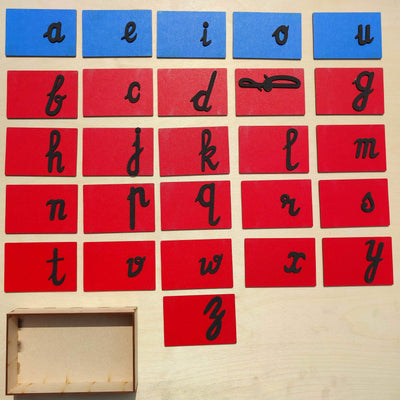
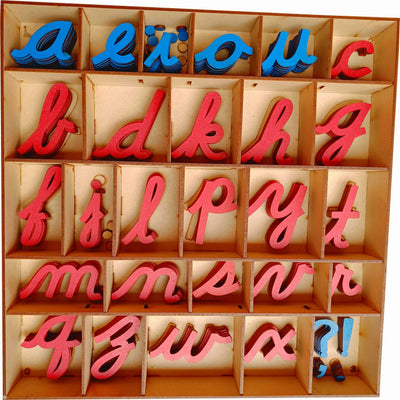
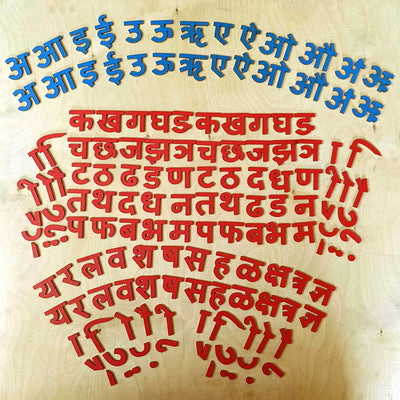
Tactile Telugu Sandpaper Letters, while not always readily available in every market, can be replicated or found in specialized Montessori learning materials. These provide a concrete experience for each letter's shape and sound. Pairing these with vibrant “telugu letters with pictures” flashcards, where each letter is associated with a common object like “amma” (అమ్మ) for “A” (అ), strengthens recognition. Wooden puzzles featuring Telugu letters are also excellent wooden toys that promote fine motor skills alongside letter identification.
Integrating Telugu Learning into Daily Life: Beyond Just Toys
The most impactful “telugu educational toys” are often those that seamlessly blend into a child's everyday experiences. This isn't about rigid "school time" but about enriching their world with language. Reading Telugu storybooks together, singing traditional lullabies, or even simply labelling objects around the home in Telugu transforms mundane moments into learning opportunities. Maria Montessori herself advocated for a prepared environment where children can absorb knowledge naturally.
In many Indian homes, grandparents play an unparalleled role. "Ammamma" or "Thatha" speaking Telugu consistently provides immersive exposure that even the best toys cannot replicate. This natural immersion helps children internalise the language's rhythm and structure effortlessly. It's a gentle, nurturing approach to language acquisition, far removed from the "screwed up" feelings of forced learning that parents sometimes regret from their own childhoods.
Age-Appropriate Approaches to Telugu Alphabet for Kids
Understanding developmental stages is key when introducing the Telugu alphabet. For toddlers (1-3 years), the focus should be on sensory exploration and exposure. Large, colourful “telugu letters with pictures” on blocks or soft books allow them to touch, mouth, and observe. Exploring age 1-3 years toys that feature simple letter forms or phonetic sounds can be highly beneficial.
As children move into their preschool years (3-6 years), they are ready for more structured, yet still playful, engagement. This is when tracing boards, matching games, and simple “activity kits” focused on Telugu letters become effective. They can begin to associate sounds with symbols and even form basic words. Explore age 3+ years toys that encourage early literacy skills in a fun, non-pressured way.
Ultimately, teaching your child Telugu letters is a journey of discovery for both of you. By choosing educational toys and resources that align with Montessori principles, and by integrating the language naturally into their daily life, you empower your child to embrace their heritage with confidence and joy. This holistic approach ensures they not only learn the Telugu alphabet but also develop a lifelong appreciation for their rich linguistic background. Tonight, try pointing out the first letter of their name in Telugu – a simple, powerful start.