Educational Toys for Holistic Child Development in India
Educational toys are fundamental for holistic child development in India, providing invaluable opportunities for children to thrive across cognitive, social, emotional, and physical domains. They foster curiosity, problem-solving, and independence, preparing children for a well-rounded life beyond academic pressures. Research consistently demonstrates that early childhood experiences significantly impact brain development, making the right play tools critical from a young age.
For Indian parents navigating the rich tapestry of traditions and modern aspirations, choosing toys that genuinely contribute to a child's growth is a thoughtful process. This guide will delve into why learning toys are not just an option, but a necessity, for nurturing the next generation.
What Defines an Educational Toy?
Educational toys are purposeful play tools designed to stimulate a child's cognitive, motor, social, and emotional development. This matters because they cultivate critical thinking and problem-solving through engaging experiences, moving beyond rote learning. Indian parents can integrate these toys for a holistic upbringing, preparing children for real-world challenges with confidence.
Unlike mere entertainment, educational toys are crafted to encourage exploration, experimentation, and discovery. They provide structured yet flexible avenues for children to grasp complex concepts through hands-on engagement, such as the wooden toys and activity kits found on SkilloToys.com. This active learning approach builds a stronger foundation for future academic and life skills.
Montessori Educational Toys Benefits for Child Development India
The Montessori philosophy, pioneered by Dr. Maria Montessori, champions self-directed activity and hands-on learning, offering profound Montessori educational toys benefits for child development in India. Montessori materials are meticulously designed to foster concentration, problem-solving, and practical life skills, aligning perfectly with the desire for independent, capable children.
For instance, materials like the Pink Tower or Sandpaper Letters are not just toys; they are tools for sensory exploration and language development. They allow children to learn at their own pace, making discoveries through repeated interaction. Child development experts agree that this method builds a deep love for learning, a critical asset in India's competitive educational landscape.
Beyond Academics: Fostering Cognitive Growth and Critical Thinking
While academic success is highly valued in Indian families, holistic development extends far beyond textbooks and examinations. Educational toys play a crucial role in fostering cognitive growth and critical thinking from an early age. They introduce concepts like cause and effect, spatial reasoning, and logical sequencing long before formal schooling begins.
Playing with puzzles, building blocks, or even simple sorting games helps children develop crucial analytical skills. Studies indicate that children engaged in play-based learning exhibit higher levels of creativity and problem-solving abilities, attributes increasingly vital in a rapidly evolving world. This kind of learning empowers children to think independently, a trait that R Madhavan emphasizes in teaching his son Vedaant respect for all professions.
Building Social-Emotional Skills: Empathy, Collaboration, and Resilience
The importance of play-based learning extends profoundly to a child's social and emotional development. Through imaginative play and group activities facilitated by educational toys, children learn to share, cooperate, negotiate, and understand different perspectives. These interactions are fundamental for developing empathy and strong interpersonal skills.
In joint families, where children often interact with multiple generations, toys that encourage collaborative play can strengthen family bonds and teach valuable social etiquette. Navigating challenges within play also builds resilience and emotional regulation, equipping children to handle frustrations and develop a positive self-image. These are skills that no amount of rote learning can provide.
Balancing Screen Time with Meaningful Play for Holistic Development Kids
In today's digital age, parents in India, like those globally, grapple with managing screen time. Recent initiatives like the Google and YouTube digital wellbeing guide for Indian parents highlight the need for balanced digital consumption. Educational toys offer a vital alternative, providing engaging, hands-on experiences crucial for the holistic development kids need.
Encouraging children to engage with physical toys and toys for 1-3 year olds helps reduce screen dependency and promotes active exploration. This direct interaction with their environment stimulates their senses and motor skills in ways screens cannot, fostering real-world understanding and creativity. As an NRI in Norway reflected, balancing academic pressure with a playful childhood is paramount to avoid children losing their childhood.
Choosing the Right Educational Toys for Your Indian Child
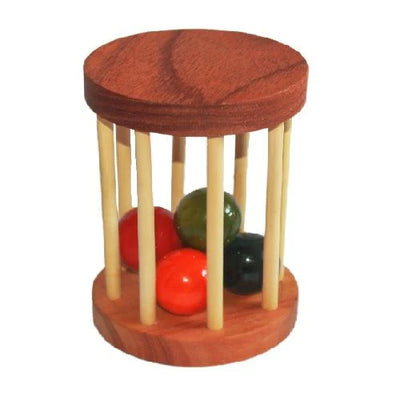
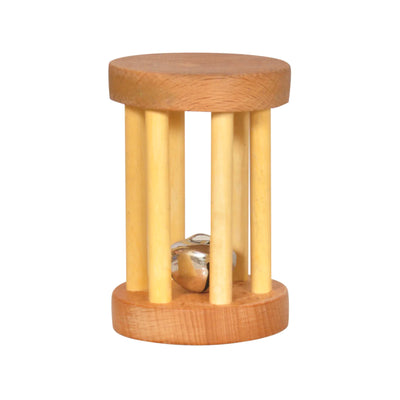
Selecting the right educational toys requires understanding your child's developmental stage and individual interests. For infants (0-12 months), sensory toys that stimulate touch, sight, and sound are ideal, such as soft rattles or activity mats. As children grow into toddlers (1-3 years), options like shape sorters, stacking blocks, and simple wooden toys support fine motor skills and problem-solving.
For children aged 3 and above, more complex puzzles, construction sets, and role-playing kits foster creativity and social skills. Always prioritize open-ended toys that allow for multiple uses and encourage imagination. Look for durable, non-toxic materials, ensuring safety and longevity for repeated play, a wise investment for any Indian household.
- Educational toys are crucial for cognitive, social, emotional, and physical development.
- Montessori materials foster independence and a deep love for learning.
- Play-based learning develops critical thinking and problem-solving skills beyond academics.
- Educational play significantly builds empathy, collaboration, and resilience in children.
- Engaging with educational toys offers a healthy alternative to excessive screen time.
- Choosing age-appropriate, open-ended, and durable toys ensures long-term developmental benefits.
What is the best age to introduce educational toys?
Educational toys can be introduced from birth, with age-appropriate options available for every developmental stage. Even infants benefit from simple rattles and sensory toys that stimulate their senses and motor skills.
How do educational toys help with problem-solving skills?
Educational toys, especially puzzles, building blocks, and activity kits, challenge children to think critically and find solutions independently. This hands-on engagement fosters logical reasoning, spatial awareness, and resilience when faced with obstacles.
Are Montessori toys considered educational toys?
Yes, Montessori toys are exemplary educational toys, specifically designed to support self-directed learning and skill development in a structured environment. They promote concentration, independence, and a deep understanding of concepts through practical, hands-on engagement.
Can educational toys replace traditional schooling?
Educational toys are a powerful complement to traditional schooling, enhancing learning through experiential play rather than replacing it. They build foundational skills, foster curiosity, and make learning enjoyable, reinforcing classroom lessons in a practical context.
How can parents choose the right educational toys in India?
Indian parents should choose educational toys based on their child's age, developmental stage, and interests, ensuring they are open-ended and durable. Prioritize toys that encourage exploration, interaction, and critical thinking, rather than passive entertainment.