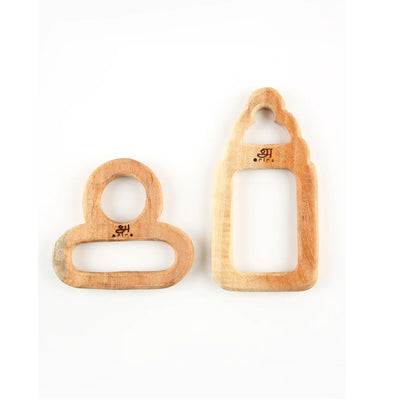
Kids Learning Toys: Engaging Weekend Activities at Home
To ensure engaging weekend activities at home in India, parents can strategically incorporate high-quality kids learning toys that foster independent play and cognitive development. These educational resources provide children with stimulating, purposeful engagement, transforming regular weekends into enriching periods of growth and discovery. This approach directly addresses the growing sentiment among Indian parents regarding the lack of diverse and engaging outing options in many cities.
The weekend often presents a unique challenge for Indian parents: how to keep children productively engaged when outdoor activities are limited or city outings feel repetitive. Recent discussions in Indian media highlight this dilemma, with many acknowledging a struggle to find truly enriching experiences beyond the usual mall visits or screen time. The solution lies within our homes, turning living spaces into vibrant hubs of discovery with the right tools.
Why At-Home Activities Are Essential for Indian Families
For Indian families, particularly those navigating urban living, at-home activities for kids are not just convenient; they are essential. With school pressures high and opportunities for free play diminishing, the home becomes a sanctuary for development. Research consistently shows that unstructured play at home improves a child's executive function and creativity, critical skills for their future.
Educational toys for home are purpose-designed tools that support a child's holistic development through self-directed play. This matters because they provide consistent, accessible opportunities for skill-building and creativity, independent of external distractions. Indian parents can leverage these toys to cultivate a rich, stimulating learning space for their children at home.
Montessori Weekend Ideas: Nurturing Growth with Purposeful Play
Montessori weekend ideas centre on fostering a child's natural curiosity and independence through purposeful play. Child development experts like Maria Montessori emphasized that children learn best by doing, in an environment prepared to meet their developmental needs. Integrating Montessori method learning materials at home transforms idle hours into significant learning opportunities.
For instance, activities like building with wooden toys such as blocks, or working with sensorial materials like the Pink Tower or Brown Stair, directly enhance concentration and problem-solving skills. These are not just toys; they are tools that allow children to explore concepts like dimension, order, and sequence at their own pace. This self-directed engagement is crucial for cognitive development, as studies indicate children who engage with hands-on materials develop stronger problem-solving abilities than those passively consuming information.
Choosing the Best Kids Learning Toys for Different Ages
Selecting the right kids learning toys requires understanding a child's developmental stage. For infants aged 0-12 months, simple grasping toys, soft rattles, and textured balls stimulate early sensory development. As children grow into the 1-3 years age bracket, stackers, shape sorters, and early puzzles encourage fine motor skills and cognitive recognition.
For children aged 3 years and above, more complex activity kits, construction sets, and role-play items foster imagination, social skills, and advanced problem-solving. It's important to choose toys that offer open-ended play, allowing for multiple uses and sustained interest. This ensures that the toy remains engaging as the child grows, providing long-term value.
Creating a Screen-Free Weekend for Kids in India
The quest for screen-free weekend kids India is a common goal for many parents concerned about digital overload. Educational toys provide a powerful antidote to excessive screen time by offering tangible, interactive alternatives. When children are deeply immersed in building a tower, solving a puzzle, or creating art, their minds are actively engaged in a way screens cannot replicate.
Establish dedicated play zones within your home, perhaps in a quiet corner of the living room or a child's bedroom, stocked with appealing educational toys. Encourage family involvement; even grandparents can join in, sharing stories or helping with a craft project. This creates a rich, interactive environment that naturally draws children away from screens and into meaningful play.
Maximising Learning: Tips for Engaging Play at Home
To truly maximise the benefits of educational toys, parents should focus on creating an inviting play environment and allowing for child-led exploration. Firstly, rotate toys periodically to maintain novelty and interest, rather than overwhelming children with too many options at once. A curated selection often leads to deeper engagement and sustained focus.
Secondly, observe your child's interests and provide toys that align with their current fascinations. If they love animals, introduce animal-themed puzzles or matching games. Lastly, remember that your presence and encouragement, without direct instruction unless requested, significantly enhance the learning experience. This supportive approach fosters a love for learning that extends far beyond the weekend.
- Kids learning toys provide essential engaging weekend activities at home in India.
- Montessori principles encourage independent, purposeful play for holistic child development.
- Choosing age-appropriate educational toys is crucial for sustained engagement and skill-building.
- Implementing screen-free weekends is highly achievable with appealing, interactive learning materials.
- Unstructured play at home significantly boosts a child's creativity and executive function.
- Indian families can create rich learning environments at home, easing pressure on external outings.
How can educational toys combat screen time during weekends?
Educational toys effectively combat screen time by providing a more engaging and interactive alternative to digital devices. They stimulate a child's natural curiosity and encourage hands-on exploration, leading to deeper, more satisfying play experiences that naturally reduce reliance on screens.
Are Montessori toys suitable for all age groups at home?
Yes, Montessori toys are specifically designed with developmental stages in mind, making them suitable for children from infancy through early adolescence. Each toy is crafted to meet specific learning needs, promoting concentration, fine motor skills, and independent problem-solving across various age groups at home.
What are some budget-friendly learning toys for Indian homes?
Budget-friendly learning toys for Indian homes include simple wooden puzzles, stacking rings, activity kits, and art supplies. These items offer immense developmental value without a high cost, proving that effective learning doesn't always require expensive materials. SkilloToys offers a range of options suitable for various budgets.
How do I introduce new learning toys to my child effectively?
To introduce new learning toys effectively, present them one at a time in a clean, organised space, allowing the child to explore without interruption. Demonstrate its basic use once, then step back and observe, letting the child discover and master the toy independently. This fosters self-reliance and deep engagement.
Can grandparents use these toys to engage grandchildren?
Absolutely, grandparents can effectively use kids learning toys to engage grandchildren, fostering intergenerational bonding and shared learning experiences. These toys provide concrete tools for interaction, storytelling, and skill-building, creating meaningful connections and cherished memories within the Indian joint family setting.