Open-Ended Toys for Kids India: European Play Guide
Many Indian parents are seeking ways to foster creativity and independence, much like their European counterparts. This guide introduces open-ended toys for kids India, a transformative approach to play that aligns perfectly with these aspirations, encouraging imagination and problem-solving from an early age. These versatile toys empower children to direct their own play, making them the architects of their learning experiences.
Open-ended toys are playthings designed without a specific outcome or single way to play. This matters because they foster crucial developmental skills such as creativity, critical thinking, and independent problem-solving. Indian parents can leverage these toys to cultivate a rich environment for self-directed learning, complementing traditional education and preparing children for a dynamic future.
Why Indian Parents Are Embracing European Play Styles with Montessori Open-Ended Toys
The recent conversations across media, from The Times of India to NDTV, highlight a growing interest among Indian parents in adopting European parenting habits. These habits often prioritise independent play, less structured activities, and fostering intrinsic motivation over constant instruction. This shift resonates deeply with the principles of Montessori education and the inherent benefits of Montessori open-ended toys.
Research consistently shows that open-ended play develops executive function skills, including planning, problem-solving, and self-regulation. For Indian children, often under immense academic pressure, these toys provide a crucial outlet for imaginative exploration, reducing stress and building resilience. They offer a refreshing alternative to screen-based entertainment, directly addressing concerns about excessive digital exposure that India Today recently discussed.
The Core Principles of Montessori Open-Ended Toys for Indian Homes
Maria Montessori, the pioneer of the Montessori method, believed in following the child and providing a 'prepared environment' that encourages self-directed activity. Open-ended toys embody this philosophy by offering materials that children can manipulate and interpret in countless ways. This fosters concentration, independence, and a deep sense of accomplishment.
Child development experts agree that children learn best through active engagement and discovery. Unlike prescriptive toys that dictate how to play, open-ended materials invite children to lead, to experiment, and to innovate. This process builds confidence and allows their unique personalities and thought processes to flourish.
Key Characteristics of Effective Open-Ended Toys for Creative Play in India
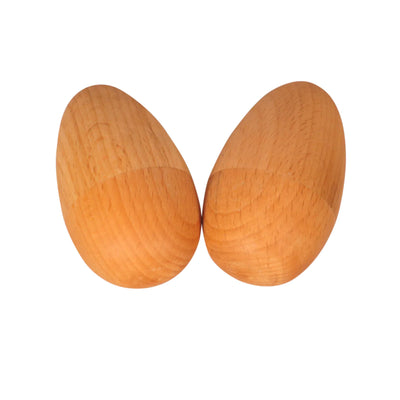
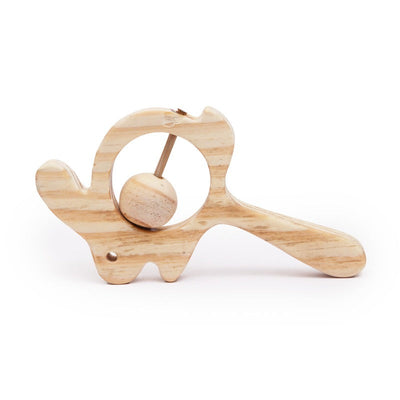
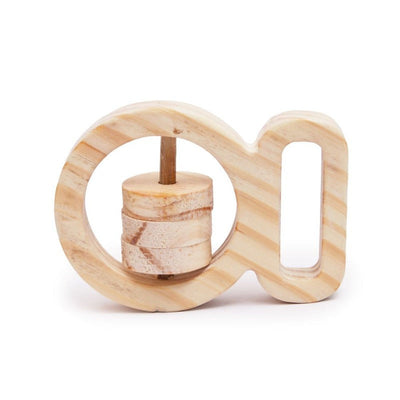
When selecting wooden open-ended toys for your child, look for characteristics that promote versatility and durability. Natural materials like wood, fabric, and stone are preferred for their sensory qualities and robustness. These toys should be simple in design, allowing the child's imagination to fill in the details.
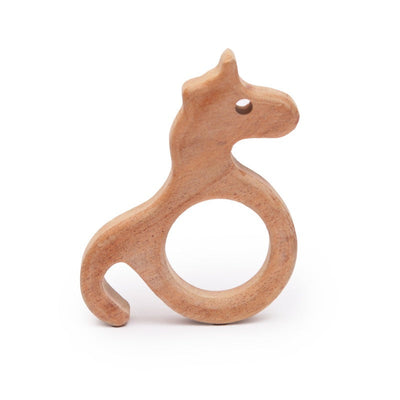
Examples of excellent creative play toys India includes building blocks, stacking rings, loose parts, play silks, and simple animal figures. These items can transform from a castle to a farm, a market to a space station, limited only by the child's burgeoning imagination. The less a toy does, the more a child does, making it truly powerful for development.
Age-Wise Guide to Open-Ended Montessori Toys: Igniting Imagination Toys for Kids
Selecting age-appropriate open-ended toys ensures maximum engagement and developmental benefit. For toddlers (1-3 years), chunky wooden blocks, stacking cups, and shape sorters are ideal, promoting fine motor skills and spatial reasoning. At this stage, simple, tactile experiences are key.
As children grow older (3+ years), their play becomes more complex. Loose parts like stones, shells, and pinecones, along with more intricate building sets, encourage storytelling and collaborative play. These imagination toys for kids support the development of complex narratives and social skills, often seen in European play settings where children engage in extended, self-directed play scenarios.
Integrating European Play into Indian Homes and Joint Families
Adopting European play style toys into a vibrant Indian home, especially within a joint family, is entirely achievable. Designate a specific 'play corner' where these toys are easily accessible and neatly stored. This encourages children to initiate play independently and also teaches them responsibility for their play space.
In a joint family, open-ended toys become fantastic tools for intergenerational bonding. Grandparents can join in by telling stories with loose parts or helping build elaborate structures with blocks, fostering shared experiences. This collective engagement enriches the child's play and strengthens family ties, celebrating India's rich tradition of collective living while embracing modern developmental approaches.
- Open-ended toys foster creativity, independence, and problem-solving in children.
- Indian parents are increasingly seeking European play styles that align with Montessori principles.
- These toys provide a valuable alternative to screen time, promoting deeper engagement.
- Natural materials like wood are preferred for their durability and sensory benefits.
- Open-ended play supports executive function skills crucial for academic success and life.
- Integrating these toys in joint families encourages intergenerational bonding and shared play.
What is an open-ended toy?
An open-ended toy is a plaything with no predetermined outcome or single way to play. It encourages children to use their imagination, creativity, and problem-solving skills to dictate the play experience, fostering self-directed learning.
How do open-ended toys benefit Indian children?
Open-ended toys offer significant benefits for Indian children by promoting critical thinking, creativity, and independent problem-solving – essential skills for academic and life success. They also help reduce screen time by engaging children deeply in imaginative play.
Are Montessori toys always open-ended?
While many Montessori materials are designed for specific learning outcomes, the Montessori philosophy strongly promotes self-directed, independent play, which aligns perfectly with open-ended toys. Many classic Montessori-inspired toys, especially those made from natural materials, are inherently open-ended.
What age group is best for open-ended toys?
Open-ended toys are suitable for children of all ages, from toddlers to school-going kids. The complexity and types of materials may vary, but the fundamental benefit of encouraging imaginative and creative play remains universal across developmental stages.
How can I integrate open-ended play into a joint family setting?
Integrating open-ended play in a joint family is easy by designating a play corner and providing versatile toys that can be shared or used individually. Grandparents can also participate by encouraging imaginative stories or observing the child's self-directed play.