Strict Parenting Rules: Montessori for Discipline & Focus
Indian parents increasingly seek effective strategies for implementing strict parenting rules to cultivate discipline and reduce screen time, often drawing inspiration from public figures like Cristiano Ronaldo. Research shows that Montessori educational toys are a powerful tool for achieving these goals, providing a structured yet nurturing environment for a child's development. These thoughtfully designed materials foster independence, concentration, and a love for learning, naturally guiding children away from passive digital consumption towards purposeful engagement.
This guide empowers Indian parents with practical toy recommendations and actionable advice to integrate Montessori principles, transforming everyday play into character-building opportunities. It addresses the growing concern over screen addiction and provides tangible alternatives for fostering focus and self-reliance in children across various age groups, from toddlers to school-going kids.
What is Montessori for Discipline?
Montessori for discipline is an approach where children learn self-regulation and focus through engaging with carefully designed educational materials in a prepared environment. This matters because it fosters intrinsic motivation and internal control, rather than relying solely on external rewards or punishments. Indian parents can implement this by offering purposeful toys that encourage concentration and problem-solving, aligning with traditional values of self-control and respect.
Why Strict Parenting Rules & Montessori Align for Indian Homes
Implementing strict parenting rules within an Indian context often involves fostering respect, routine, and self-control, values deeply rooted in our culture. Maria Montessori's philosophy, surprisingly, aligns seamlessly with this, not through rigid enforcement but through cultivating internal discipline. Child development experts agree that a structured environment, where children understand boundaries and consequences, builds a strong foundation for character.
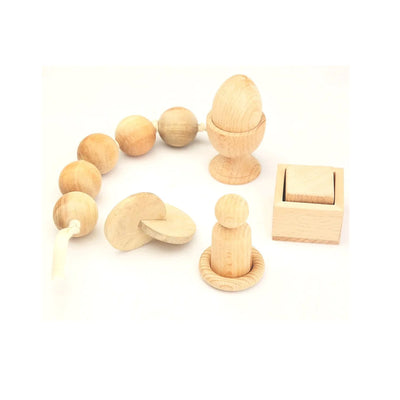
Consider Ronaldo's widely discussed parenting tips: strict bedtimes, limited screen exposure, and emphasis on healthy eating and physical activity. These rules, while strict, aim to create highly disciplined individuals. Montessori toys support this by providing engaging alternatives that naturally build concentration, problem-solving skills, and a sense of order. For instance, a child engaged with wooden toys like puzzles or stacking blocks learns perseverance and attention to detail, crucial elements of discipline.
In Indian joint families, where multiple generations contribute to upbringing, Montessori provides a common language for discipline that encourages independence without disrespecting elders. It shifts the focus from 'obeying' to 'understanding consequences' and 'making responsible choices', empowering children to become active participants in their own development.
Montessori Toys to Reduce Screen Time in Kids in India
One of the most pressing concerns for Indian parents today is how to effectively reduce screen time kids India are exposed to. Studies indicate that excessive screen use negatively impacts concentration, social skills, and sleep patterns. Montessori toys offer a compelling solution by providing hands-on, multi-sensory experiences that captivate a child's attention and fulfill their innate need for purposeful activity.
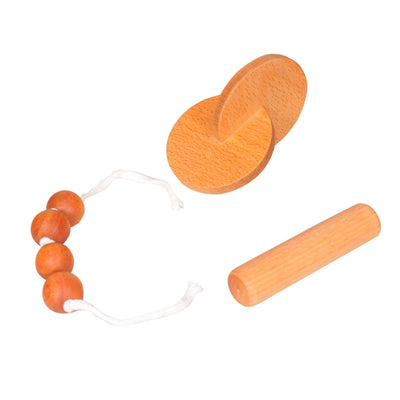
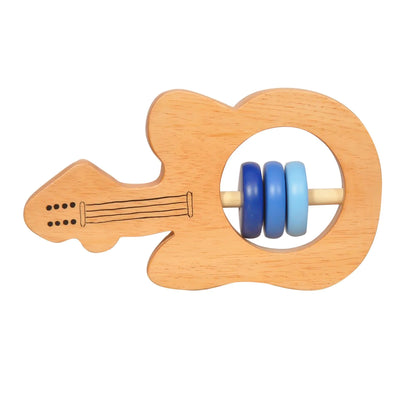
For younger children (0-3 years), simple materials like rattles, grasping toys, and shape sorters found in our 0-1 year age toys and 1-3 years age toys collections can significantly reduce dependence on digital distractions. These toys engage senses and develop fine motor skills, drawing children into the real world. As children grow, activity kits focusing on practical life skills like pouring, scooping, or dressing frames provide extended periods of focused engagement.
Creating a 'prepared environment' at home, much like a Montessori classroom, involves making these engaging materials easily accessible and screen-free zones mandatory. This simple shift can dramatically reduce a child's inclination towards phones and tablets, replacing passive consumption with active, self-directed learning.
Fostering Focus and Independence with Educational Toys
Montessori education is fundamentally about cultivating a child's innate desire for independence and developing their ability to focus, making educational toys for focus paramount. Dr. Maria Montessori observed that children, when given the freedom within limits and access to appropriate materials, naturally concentrate for extended periods, building their internal discipline.
Specific Montessori materials are designed to isolate concepts and promote deep concentration. For instance, the Pink Tower, a series of ten pink cubes varying in size, teaches visual discrimination of dimension and order, demanding intense focus from children as young as 18-24 months. Similarly, Sandpaper Letters introduce phonetic sounds through touch, engaging multiple senses and sustaining attention far longer than traditional flashcards.
For older children (3+ years), materials found in our 3 years age toys collection, such as maps, puzzle globes, or elaborate building sets, continue to build on these foundational skills. These toys allow children to explore complex ideas at their own pace, fostering a deep sense of accomplishment and further developing their capacity for independent work and sustained attention, invaluable skills for navigating school pressure in India.
Practical Tips for Indian Parents: Implementing Ronaldo-Inspired Discipline
Adopting Ronaldo parenting tips regarding discipline and focus can be effectively integrated with Montessori principles in Indian households. Start by establishing clear, consistent routines for playtime, meals, and bedtime, mirroring Ronaldo's emphasis on structure. Communicate these 'house rules' clearly to everyone in the household, including grandparents, ensuring a unified approach.
Next, create a 'Montessori Corner' in your home, making age-appropriate Montessori materials and wooden toys easily accessible on low shelves. This encourages children to choose activities independently, fostering self-direction and responsibility. Limit the number of toys available at one time to prevent overstimulation and promote deeper engagement with each item.
Finally, involve children in household chores suited to their age, such as setting the table or putting away their toys. This teaches responsibility and practical life skills, reinforcing the disciplined environment you aim to create. Remember, consistent modelling of desired behaviour by parents and family members is the most potent form of teaching. For return gifts that inspire such discipline, consider options from our return gifts collection that promote active play.
- Montessori toys are highly effective in supporting strict parenting rules by fostering internal discipline and self-regulation.
- These educational materials naturally reduce screen time by offering engaging, hands-on alternatives that capture children's focus.
- The Montessori philosophy aligns with values of routine, respect, and independence, common in Indian parenting.
- Specific materials like the Pink Tower and practical life activities are proven to enhance concentration and attention spans in children.
- Creating a 'prepared environment' at home with accessible Montessori toys is crucial for implementing these principles successfully.
- Consistent routines and family involvement are key to reinforcing a disciplined, screen-free lifestyle inspired by figures like Ronaldo.
How do Montessori toys specifically help reduce screen time for kids in India?
Montessori toys engage children deeply through hands-on, purposeful activities that satisfy their innate curiosity and need for exploration. This rich, self-directed engagement naturally makes screens less appealing, fostering a preference for real-world interaction and sustained focus from a young age.
Are Montessori toys suitable for implementing strict parenting rules?
Yes, Montessori toys are highly effective for implementing strict parenting rules because they promote self-discipline, concentration, and independence. The structured yet child-led nature of these materials teaches children to follow sequences, respect order, and develop internal motivation, aligning perfectly with a disciplined approach.
What are some Ronaldo parenting tips that align with Montessori principles?
Ronaldo's emphasis on routine, hard work, discipline, and limiting screen time aligns strongly with Montessori. Montessori encourages a prepared environment, consistent routines, purposeful work (play), and fosters concentration, all of which build a child's internal discipline without external coercion.
Which Montessori toys are best for developing focus and concentration?
For developing focus, materials like the Pink Tower, Brown Stair, and Cylinder Blocks are excellent for young children, enhancing visual discrimination and concentration. Practical life activities, such as pouring, scooping, and buttoning, also cultivate extended periods of focused engagement essential for developing attention spans.
How can I introduce Montessori to my child if they are already used to screen time?
Start by creating a dedicated, screen-free 'work area' at home with a few engaging Montessori wooden toys or activity kits. Introduce one toy at a time, modelling its use, and then allow your child to explore independently. Consistency and offering enticing alternatives are key to gradually shifting their focus away from screens.