Best Gifts for 1-Year-Olds in India: Early Montessori Toys
Choosing the best gifts for 1-year-olds in India means selecting items that truly support their incredible developmental leaps. As infants transition into toddlers, they are driven by an innate curiosity to explore their world through movement, touch, and sound, making thoughtful educational toys crucial for nurturing their early development and discovery. Recent interest, highlighted by publications like Good Housekeeping's feature on expert-approved toys for 1-year-olds, underscores the global recognition of this pivotal age for foundational learning.
What is Montessori Play for a 1-Year-Old?
Montessori play for a 1-year-old focuses on hands-on exploration with simple, real-world materials that foster independence and concentration. This matters because it allows children to learn at their own pace, developing practical life skills and sensory awareness. Indian parents can integrate this by offering accessible, safe toys that encourage movement, problem-solving, and self-directed activity within their home environment.
Understanding Your 1-Year-Old's World: Developmental Milestones
Around their first birthday, children are rapidly developing. They are often taking their first independent steps, babbling their first words, and showing a strong desire to mimic adults. The Indian Academy of Pediatrics (IAP) developmental guidelines highlight this period as crucial for establishing both gross motor skills like walking and fine motor skills such as grasping and manipulating small objects.
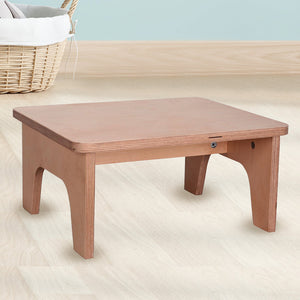
This surge in physical and cognitive abilities means 1-year-olds thrive on toys that challenge them gently and allow for repetition. Think of a tiny toddler in a joint family home in Bengaluru, constantly trying to open cupboards or push a small stool – this is their way of understanding cause and effect, space, and their own capabilities. Providing toys that align with these innate drives can channel their energy constructively.
The Joy of Discovery: Why Simple is Best
While many commercial toys flash, sing, and talk, Montessori philosophy and modern child development research, including studies from the American Academy of Pediatrics, consistently show that simpler, open-ended toys are superior for this age group. A 1-year-old's apparent 'disinterest' in a simple wooden block might actually be intense focus as they test its weight, texture, and how it feels when dropped.
The seemingly chaotic act of dismantling a block tower isn't just mischief; it's a profound exploration of gravity, spatial relationships, and cause-and-effect. Simple toys encourage the child to be the active scientist, driving the play, rather than being a passive recipient of pre-programmed actions. This fosters creativity, problem-solving, and deeper engagement, preparing them for the rigours of future learning in Indian schools.
Essential Montessori & Educational Gifts for 1-Year-Olds
When selecting a gift for a 1-year-old, whether it's for a first birthday celebration, Diwali, or just because, consider toys that align with their developmental stage and offer opportunities for self-directed learning. Look for materials that are safe, durable, and invite exploration.
Fine Motor & Problem-Solving: Stackers & Puzzles
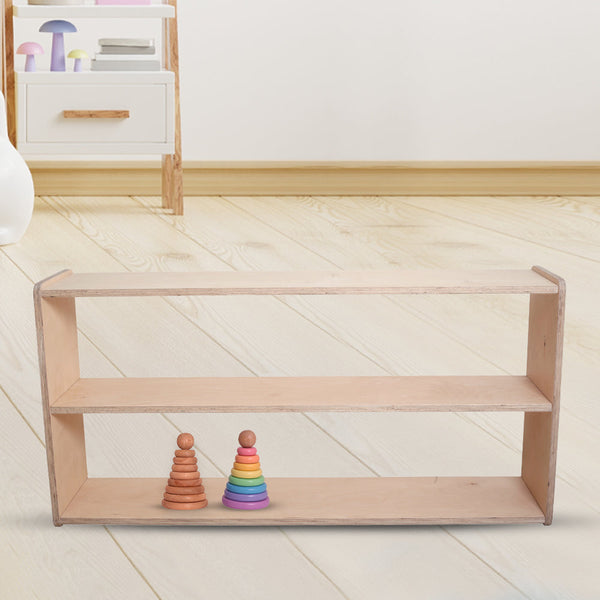
At one year, toddlers are refining their pincer grasp and hand-eye coordination. Stackers, such as simple ring stackers or nesting cups, are excellent for this. They teach size differentiation, sequencing, and persistence as children learn to place pieces in order. Similarly, chunky puzzles with large knobs help develop fine motor skills and spatial reasoning. Imagine a child in a small Mumbai flat, intently focusing on fitting a single wooden shape into its corresponding slot – a small victory for a growing mind.
Gross Motor & Exploration: Push-Pull Toys & Activity Kits
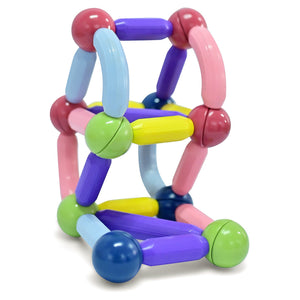
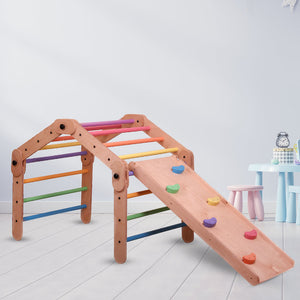
As children begin to walk, push-pull toys become invaluable. They encourage balance, coordination, and independent movement, transforming the simple act of walking into an engaging game. For those just starting to explore, simple activity kits that involve large blocks or soft play tunnels can provide safe environments for crawling, climbing, and sensory exploration. These are perfect for energetic toddlers who need to burn off energy, even in limited spaces.
Sensory & Practical Life: Treasure Baskets & Everyday Objects
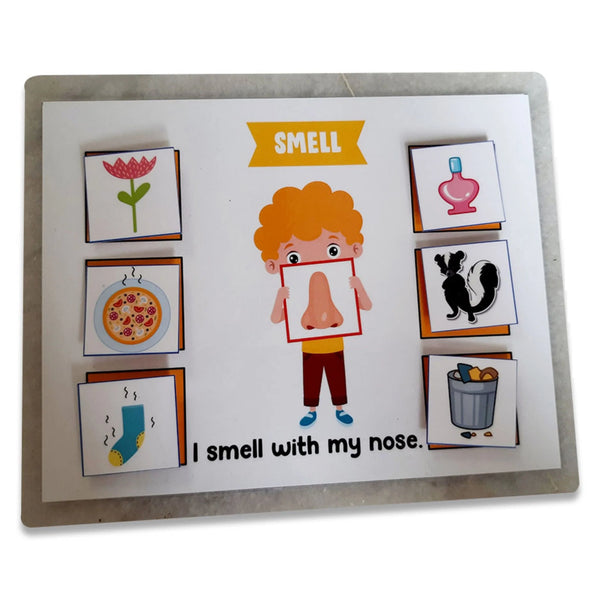
Maria Montessori emphasised the importance of sensorial experiences and practical life activities. A treasure basket, filled with safe, natural, and everyday items like wooden spoons, silk scarves, large seashells, or smooth stones, provides a rich sensory experience. This aligns beautifully with traditional Indian practices where babies often explore safe kitchen utensils or fabric scraps under the watchful eyes of their grandparents, fostering curiosity and connection to their immediate environment.
Gifting Beyond Birthdays: Festivals and Family Moments
In India, gifting is intertwined with numerous occasions, from naming ceremonies (Namkaran) to festivals like Holi and Eid. While the focus might often be on clothes or sweets, gifting an educational toy is a long-lasting present that supports a child's growth. Consider presenting a carefully chosen Montessori toy during a family gathering, explaining its developmental benefits to relatives who might traditionally opt for more flashy, battery-operated alternatives. This helps educate the wider family about purposeful play.
The SkilloToys Difference: Quality & Purpose in Every Play
At SkilloToys.com, we understand the nuances of early childhood development and the unique context of Indian parenting. Our curated selection of Montessori and educational toys for 1-year-olds is designed to be durable, safe, and truly enriching. We believe in providing tools that empower children to learn through joyful exploration, supporting parents in nurturing independent, curious, and capable little individuals right from their very first year.
Remember, the most impactful gift you can give a 1-year-old isn't just a toy, but the opportunity for purposeful play and your engaged presence. Observe how they interact with their toys, what fascinates them, and allow them the freedom to explore at their own pace. This observation is key to understanding their unique learning journey and supporting it effectively.