Educational Toys: Benefits, Types & Choosing the Right Ones
Educational toys are purpose-designed playthings that engage a child's developing mind and body, stimulating cognitive, physical, social, and emotional growth. These aren't just mere distractions; they are essential tools that facilitate learning through joyful exploration. For Indian parents, understanding the profound impact of these toys can transform how they approach their child's development and playtime, laying a strong foundation for future success.
As the recent news of public figures gifting toys highlights, toys hold a special place in a child's world. However, not all toys are created equal. Choosing the right educational toys means empowering your child to become a confident, curious, and capable learner, much like a 3-year-old in a Bengaluru joint family discovering the joy of constructing a tall tower with wooden blocks.
What Exactly Are Educational Toys?
Educational toys are objects designed to stimulate learning and skill development through play. They are thoughtfully crafted to challenge a child's intellect, creativity, and physical abilities, often encouraging independent discovery. This matters because children learn best through hands-on experience and self-directed activity, rather than passive instruction. Indian parents can identify such toys by their capacity to inspire curiosity and active participation in their child.
Child development experts agree that play is the primary vehicle for learning in early childhood. Unlike toys that offer fleeting entertainment, educational toys provide sustained engagement that nurtures specific developmental areas. For instance, a simple puzzle doesn't just pass time; it refines problem-solving skills and hand-eye coordination.
The Enduring Benefits of Educational Toys for Children
The advantages of integrating educational toys into a child's routine extend far beyond academic readiness. Research consistently shows that children who engage with stimulating play materials develop a wide array of vital life skills. These benefits are particularly pertinent in the Indian context, where holistic development is increasingly valued alongside academic excellence.
Boosting Cognitive Development and Problem-Solving Skills
Educational toys are powerhouses for cognitive growth. They challenge children to think critically, strategize, and find solutions. Whether it's a toddler figuring out how to fit shapes into a sorter or an older child solving a complex puzzle, these experiences build neural pathways. This continuous mental workout improves memory, attention span, and logical reasoning, crucial skills for navigating school pressure and real-world scenarios.
The act of manipulating objects and seeing immediate results helps children grasp abstract concepts. A child playing with a counting abacus, for example, isn't just learning numbers; they're visually and tactilely understanding quantity and basic arithmetic. This hands-on approach, championed by pedagogues like Maria Montessori, fosters a deeper, more intuitive understanding.
Enhancing Fine and Gross Motor Skills
Many educational toys are designed to develop both fine and gross motor skills. Fine motor skills, involving the small muscles in hands and fingers, are crucial for tasks like writing, buttoning clothes, and using cutlery. Toys such as building blocks, beads for stringing, and clay encourage precision and dexterity.
Gross motor skills, which involve larger muscle groups, are developed through activities like pushing, pulling, stacking, and balancing. A child playing with a push-pull toy or engaging in construction with larger blocks is building strength, coordination, and balance. These physical competencies are fundamental for overall healthy development and active participation in sports and play.
Fostering Creativity, Imagination, and Social-Emotional Growth
Open-ended educational toys are catalysts for creativity and imagination. When a child is given a set of simple wooden blocks, they might build a house, a train, or even an imaginary mountain for their small figurines. This kind of play allows children to create their own narratives and explore different roles, expanding their imaginative horizons.
Furthermore, many educational toys facilitate social and emotional development. Collaborative play with building sets, board games, or activity kits teaches children crucial skills like sharing, turn-taking, negotiation, and empathy. For children growing up in joint families, these interactions are naturally amplified, strengthening bonds and social intelligence.
Exploring the Different Types of Educational Toys
The world of educational toys is vast and varied, catering to every developmental stage and learning style. Understanding the common categories helps parents identify which toys will best serve their child's current needs and future growth.
Montessori Educational Toys: Learning by Doing
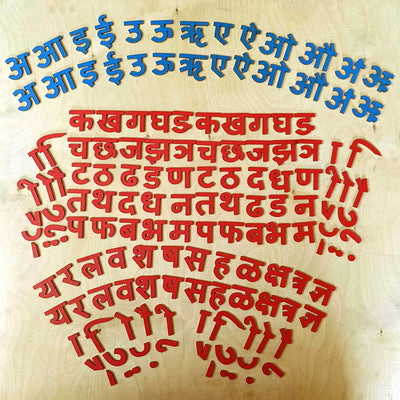
Montessori educational toys, specifically, are renowned for their focus on self-directed, hands-on learning. Rooted in Dr. Maria Montessori's philosophy, these toys are typically made from natural materials and are designed to isolate a single concept or skill. For instance, the Pink Tower teaches visual discrimination of dimension, while Sandpaper Letters introduce phonetic sounds tactilely.
These toys encourage independence, concentration, and a deep sense of accomplishment. They are often self-correcting, meaning the child can discover their own errors and learn from them without adult intervention. This approach aligns perfectly with fostering the child's 'inner teacher', a cornerstone of effective early education.
Puzzles and Problem-Solving Toys
From simple knob puzzles for toddlers to intricate jigsaw puzzles for older children, these toys are fundamental for developing spatial reasoning, logic, and persistence. They teach children to break down a larger problem into smaller, manageable steps. This category also includes shape sorters, nesting dolls, and brain teasers that challenge children to think creatively.
Construction and Building Toys
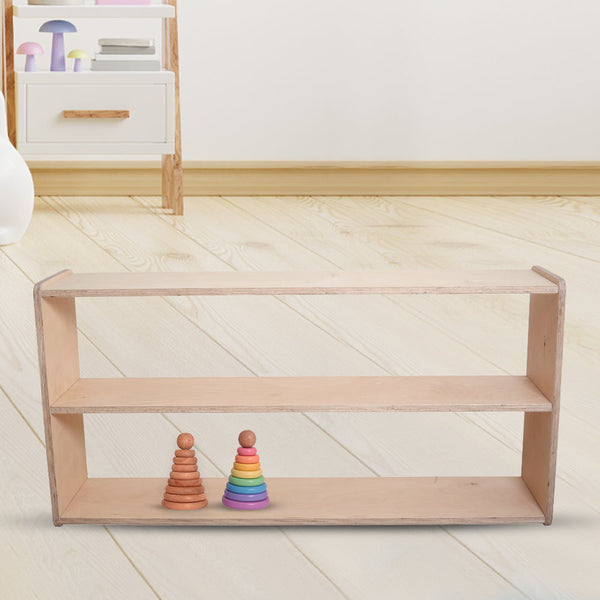
Building blocks, magnetic tiles, and construction sets are timeless educational toys. They promote spatial awareness, fine motor skills, and an understanding of balance and structure. As children build, they learn about gravity, stability, and design, transforming abstract ideas into concrete creations. The satisfying 'clunk' of wooden blocks stacking perfectly offers immediate sensory feedback, driving further exploration.
Art and Creative Expression Toys
Crayons, paints, clay, and craft kits are not just for fun; they are crucial for self-expression, fine motor development, and emotional regulation. These toys allow children to communicate ideas and feelings visually, fostering creativity without strict rules. For a child navigating the expectations of a large family or preparing for school, having an outlet for creative expression is invaluable.
Choosing the Right Educational Toys for Your Child in India
Selecting the ideal educational toy requires thoughtful consideration, moving beyond popular trends or what relatives might suggest. It's about aligning the toy with your child's unique developmental stage, interests, and the values of your family.
Consider Age-Appropriateness and Developmental Stage
The first rule of choosing any toy is age-appropriateness. A toy that is too simple will bore a child, while one that is too complex can lead to frustration. Look for toys that align with your child's current milestones and offer a gentle challenge. For an 18-month-old, a sturdy wooden shape sorter might be perfect, while a 5-year-old might thrive with a more elaborate building set or a science activity kit.
Observe your child's interests closely. Does your little one love mimicking household chores? Practical life toys like a child-sized broom or kitchen set could be wonderfully engaging. Does your child spend hours drawing? Invest in quality art supplies that encourage their artistic flair.
Prioritise Durability, Safety, and Open-Ended Play
Especially for toys intended for Indian homes, durability is key. Opt for toys made from natural, non-toxic materials like wood, fabric, or sturdy recycled plastics. SkilloToys, for instance, focuses on such high-quality, safe materials. Ensure there are no small, detachable parts that could pose a choking hazard for younger children, especially if younger siblings or cousins are around.
The most valuable educational toys are often those that are open-ended. These toys don't have a single 'right' way to play. Think blocks, scarves, or dolls. They encourage imagination and can be used in countless ways, adapting as your child grows. This contrasts sharply with single-function electronic toys that offer limited interaction and often dictate play.
Embrace the Montessori Philosophy and Indian Context
When selecting toys, consider how they encourage independence and self-discovery, hallmarks of the Montessori method. Look for toys that allow children to explore, experiment, and learn at their own pace. This empowers them to take ownership of their learning journey.
Finally, consider the unique Indian context. Many traditional Indian games inherently possess educational value, teaching social skills, memory, and strategy. Educational toys can complement these traditions, offering a blend of modern learning with cultural roots. Whether it's for a festival gift, a birthday, or just a thoughtful gesture, choosing an educational toy demonstrates a commitment to your child's enduring growth.
Understanding the value and variety of educational toys helps parents make choices that genuinely enrich their children's lives. By carefully selecting toys that engage, challenge, and inspire, you provide a foundation for lifelong learning and discovery, preparing your child not just for school, but for a world of possibilities.