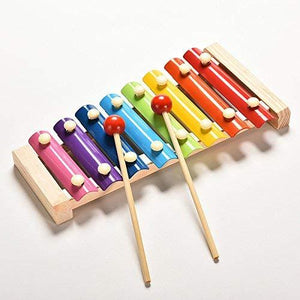
Educational Toys: Your Guide to Choosing Smart Play
Educational toys are not just playthings; they are powerful tools that actively stimulate a child's cognitive, physical, social, and emotional development. In the bustling homes of India, where parents juggle academic aspirations with the joy of childhood, understanding and choosing the right educational toys is paramount. Child development experts agree that purposeful play is the bedrock of early learning, laying essential groundwork long before school begins.
This guide will illuminate what makes a toy truly educational, how it benefits your child, and how to select the best options for your family. We want every parent in Bengaluru, Chennai, or a small town to feel confident in nurturing their child's innate curiosity and building a lifelong love for learning.
What Are Educational Toys?
Educational toys are objects designed to engage children in play that simultaneously fosters the development of specific skills or knowledge. They move beyond mere entertainment, offering opportunities for problem-solving, critical thinking, creativity, and fine motor refinement. These toys serve as hands-on learning instruments, enabling children to explore concepts through direct interaction.
Maria Montessori, a pioneering educator, observed that children learn best through self-directed activity within a prepared environment. Her philosophy, which underpins many educational toys, emphasizes that play is a child's work. Unlike purely recreational toys that might offer passive amusement, educational toys invite active participation, challenging a child to manipulate, create, and discover.
Why Educational Toys Matter for Indian Children
In a country where academic pressure can often start early, educational toys offer a crucial counter-balance, building foundational skills in a stress-free, engaging manner. Research shows that children who engage with developmentally appropriate educational toys develop stronger cognitive abilities, improved attention spans, and enhanced language skills. For a 3-year-old like Ananya in a joint family in Pune, a set of stacking cups can teach concepts of size, order, and balance, skills that are vital for early math and spatial reasoning.
These toys also nurture critical executive functions like working memory, cognitive flexibility, and self-regulation. The NCERT's Early Childhood Care and Education (ECCE) framework emphasizes learning through play for holistic development, recognizing its role in preparing children not just for school, but for life. From improving hand-eye coordination with puzzles to fostering imaginative storytelling, educational toys equip children with the resilience and creativity needed to navigate a complex world.
How to Choose the Right Educational Toys
Selecting an educational toy goes beyond simply checking an age label. It requires observing your child, understanding their developmental stage, and considering how the toy will integrate into your home environment. Here's what discerning Indian parents should look for:
Age Appropriateness and Developmental Readiness
A toy must align with your child's current abilities and challenge them just enough to grow, without causing frustration. For an 18-month-old, a simple shape sorter is ideal for developing fine motor skills and problem-solving. For a 5-year-old preparing for primary school, more complex puzzles or activity kits that involve sequencing and pattern recognition would be more suitable. A toy too advanced will sit unused, while one too simple will quickly lose its appeal.
Open-Ended vs. Closed-Ended Play
The most impactful educational toys are often open-ended, meaning they can be used in multiple ways, fostering creativity and imagination. Wooden blocks, for example, can become a fort, a tower, an animal enclosure, or a ramp. They empower the child to be the architect of their play. In contrast, closed-ended toys have a specific outcome, like a puzzle with one correct solution, which is excellent for focused problem-solving but offers less room for imaginative expansion.
Durability, Safety, and Material Quality
Especially in Indian households where toys might be shared across generations or stored away for festivals, durability is key. Look for sturdy materials like sustainably sourced wood, non-toxic paints, and robust construction. Safety is non-negotiable; ensure there are no small, detachable parts for toddlers, and that all materials meet safety standards. Natural materials also offer a richer sensory experience than plastic.
Skill Development Focus
Consider what skills you want to foster. Do you want to enhance fine motor control, encourage language development, or spark scientific curiosity? A colourful stacking toy might target fine motor skills, while a storytelling activity kit encourages verbal expression. For example, parents looking to build their child's critical thinking might explore a range of puzzles, from simple knob puzzles for toddlers to intricate jigsaw puzzles for older children.
Exploring Types of Educational Toys
The world of educational toys is diverse, catering to every developmental stage and interest. Here are a few popular categories:
- Fine Motor & Problem Solving: These include puzzles, stacking toys, lacing beads, and building blocks. They refine hand-eye coordination, dexterity, and logical thinking. The satisfying clunk of one wooden block landing on another, the focused silence as a child fits a puzzle piece – these moments are rich with learning.
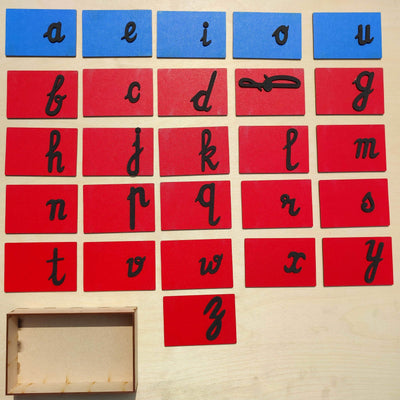
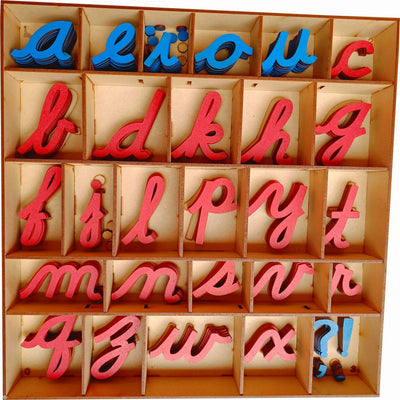
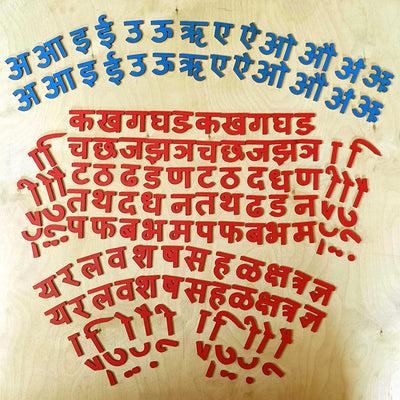
- Cognitive & Language: Toys like alphabet and number sets, flashcards, story cubes, and role-play props fall into this category. They enhance vocabulary, numeracy, memory, and narrative skills. A child pretending to be a doctor with a toy medical kit isn't just playing; they're developing empathy and communication.
- Creative & Expressive: Art supplies, musical instruments, and activity kits foster imagination, self-expression, and emotional intelligence. They allow children to translate their inner world into tangible forms, building confidence and fostering a sense of accomplishment.
- Sensory Exploration: Textured balls, sound blocks, and sorting trays engage a child's senses, which is fundamental for early brain development. These toys help children process sensory information, crucial for understanding their environment.
Montessori Educational Toys: A Timeless Approach in India
Montessori educational toys offer a particularly powerful approach, aligning beautifully with many Indian parenting values of independence, respect, and deep learning. Maria Montessori's philosophy is rooted in observing the child's natural inclinations and providing materials that allow for self-correction and mastery. These toys are often simple, made of natural materials like wood, and designed to isolate one concept at a time.
For example, a Pink Tower, with its ten wooden cubes of increasing size, helps a child grasp concepts of dimension and order through tactile experience. Sandpaper letters allow a child to feel the shape of a letter as they hear its sound, integrating multiple senses for stronger learning. These materials are not about quick answers but about cultivating focus, precision, and an inner drive to learn. Many Indian grandparents, who traditionally encourage hands-on learning and practical life skills, intuitively understand the value of such purposeful play. Explore our range of authentic Montessori materials at SkilloToys.com.
Choosing educational toys is an investment in your child's future, far beyond just academic success. It's about nurturing their curiosity, resilience, and joy in discovery. Tonight, instead of reaching for a screen, observe your child's play. What skills are they trying to master? What sparks their imagination? Use these insights to choose toys that truly support their magnificent journey of growth, turning every playtime into a learning adventure.