Homeschooling Curriculum India: Montessori-Inspired Guide
For Indian parents navigating the vast world of education, understanding a comprehensive homeschooling curriculum India offers is key. Many families in Bengaluru and across India are exploring alternatives to traditional schooling, seeking personalised learning experiences that cater to their child's unique pace and interests. This guide will explore how a Montessori-inspired approach, combined with thoughtfully chosen resources, can create a thriving home learning environment.
Homeschooling in India: Understanding Your Options
Homeschooling in India involves parents taking primary responsibility for their child's education outside of a traditional school setting. This matters because it allows for personalised learning, respects a child's natural pace, and can foster deep, intrinsic motivation. Indian parents can choose from various curricula to best suit their family's unique needs and values.
While specific national laws are still evolving, homeschooling is widely accepted and practiced across India. Most homeschooling families in India opt for accreditation through established boards. The National Institute of Open Schooling (NIOS) offers a flexible, government-recognised curriculum from primary to senior secondary levels, making it a popular choice for many. Alternatively, parents may choose international curricula like Cambridge Assessment International Education (CAIE) or the International Baccalaureate (IB) Primary Years Programme (PYP), especially if they anticipate relocation or seek a globally recognised qualification.
Choosing the right path often depends on your child's age, future academic goals, and your family's lifestyle. For instance, a family frequently relocating due to work might find international curricula more seamless, while those rooted in a local community might prefer NIOS. Studies indicate that a curriculum aligned with a child's learning style significantly boosts engagement and academic success, reducing common pressures associated with traditional schooling.
The Montessori Philosophy for Homeschooling in India
Maria Montessori's philosophy, centred on child-led learning and a 'prepared environment,' aligns beautifully with the ideals of homeschooling. In an Indian context, this means transforming your home into a space that nurtures independence, curiosity, and respect for the child's innate drive to learn. It's about more than just materials; it's about observing your child and offering activities that match their developmental stage.
For young children, especially those between 18 months and 6 years, a Montessori-inspired approach focuses on practical life activities. Imagine 3-year-old Aarya in her Bangalore home, carefully pouring rice from one bowl to another, or meticulously folding her small napkins after a meal. These aren't just chores; they are exercises in concentration, fine motor skill development, and self-sufficiency. Research from the American Academy of Pediatrics highlights the importance of such hands-on, purposeful activities in early childhood for developing executive function skills.
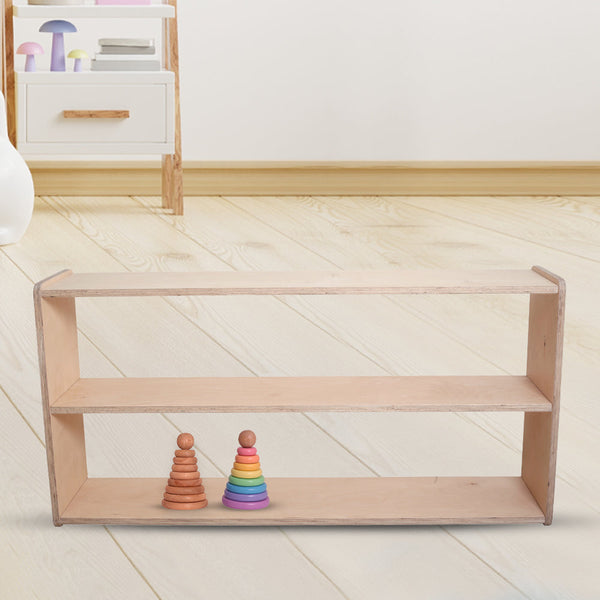
Creating this prepared environment involves child-sized furniture, accessible shelves with engaging materials, and a sense of order. This respect for the child's autonomy, even within a bustling joint family, can be profoundly empowering. Grandparents, who traditionally pass down knowledge, can become integral partners in this learning journey, sharing stories, teaching traditional crafts, or involving children in festival preparations.
Essential Educational Toys for Homeschooling in India
The right educational toys are the cornerstone of a Montessori-inspired homeschooling setup. These aren't just playthings; they are tools for discovery, designed to isolate concepts and allow for self-correction. For a homeschooling environment, durability and purpose are key.
For developing fine motor skills and cognitive sequencing, consider investing in high-quality wooden puzzles. These go beyond simple jigsaws, encouraging spatial reasoning and problem-solving. Similarly, a well-stocked collection of activity kits can provide structured learning opportunities in areas like science, language, and culture, all designed for hands-on exploration. The satisfying clunk of wooden blocks stacking, or the focused silence as a child carefully places a puzzle piece, speaks volumes about their engagement.
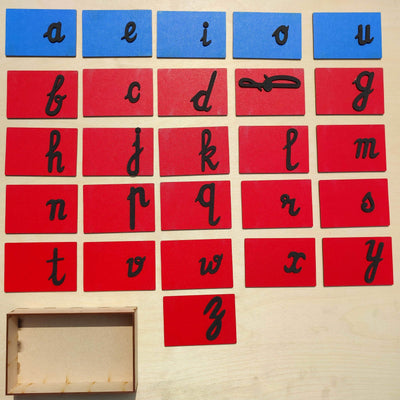
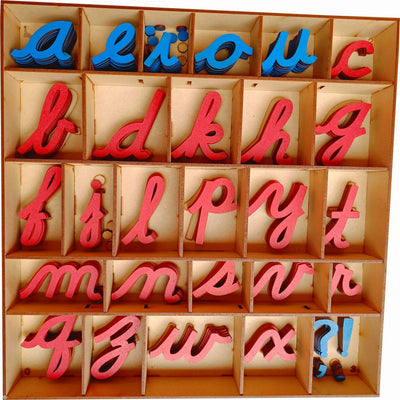
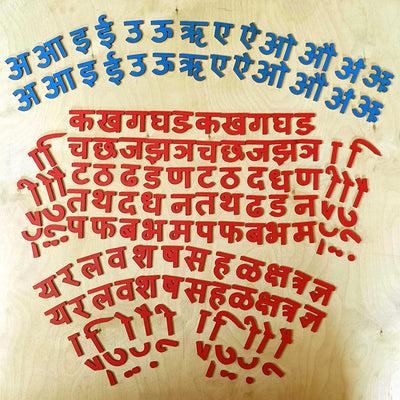
Specific Montessori materials like the Pink Tower, Brown Stair, or Sandpaper Letters are invaluable. These materials, often found in Montessori schools, are equally effective at home, offering tactile and visual learning experiences that solidify abstract concepts. They allow children to grasp mathematical principles, understand letter sounds, and develop sensory discrimination through repeated, independent engagement. Explore our extensive collection of Montessori method learning materials and toys designed for deep, meaningful learning.
Crafting Your Homeschooling Resources in India
Beyond structured curricula and specific toys, effective homeschooling relies on a rich ecosystem of resources. This includes books, digital learning platforms, and real-world experiences. For instance, a visit to a local Bengaluru market can become a lesson in economics, mathematics, and cultural understanding, far more engaging than a textbook alone.
Indian parents often find value in incorporating elements from NCERT's curriculum frameworks, adapting them to a homeschooling context. This ensures a broad understanding of subjects relevant to the Indian educational landscape. Online resources, educational apps, and virtual field trips can supplement hands-on learning, offering exposure to diverse subjects and global perspectives. However, it's crucial to balance screen time with plenty of unplugged, sensory-rich activities.
Remember, the goal is not to replicate a school at home, but to create a dynamic, responsive learning environment. This means being flexible, following your child's interests, and constantly seeking new ways to integrate learning into daily life. Whether it's through gardening, cooking, or family discussions, every moment can be a learning opportunity.
Nurturing the 'Absorbent Mind' in Indian Homes
The real challenge in homeschooling in India isn't just picking a curriculum, but fostering an 'absorbent mind' – a Montessori concept – within the unique social fabric of an Indian home. Where extended family often plays a significant, sometimes conflicting, role in a child's learning journey, true Montessori homeschooling thrives not just on materials, but on consciously creating a 'prepared environment' that respects both child autonomy and familial involvement. This approach transforms grandparents into allies, allowing them to share their wisdom and cultural heritage as part of the educational process, rather than occasional distractions. This deeper integration of family values and learning is what makes homeschooling in India truly unique and impactful.
Ultimately, homeschooling in India, particularly with a Montessori inspiration, is a journey of discovery for both parent and child. It empowers families to nurture curious, independent, and resilient learners who are deeply connected to their cultural roots. By providing the right resources and embracing a child-centred philosophy, you can create an enriching educational experience that prepares your child not just for exams, but for life.